
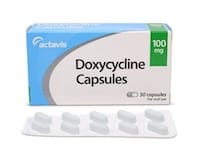
Buy Doxycycline Online: Best Prices and Fast Delivery
Doxycycline Dosage and Administration Patterns
Getting a new prescription can feel like trying to read a map in a heavy downpour. Doctors don’t use a one-size-fits-all approach; they tailor your dose to exactly what they are fighting. For instance, a stubborn skin infection might require a more aggressive dose to clear up acne. It isn’t a simple math problem.
Respiratory issues, like a nagging bout of bronchitis or pneumonia, usually follow a different rhythm. You might find yourself taking a standard dose twice a day for a specific number of days. Stick to the schedule your physician laid out. If you skip beats, you’re essentially inviting the bacteria to throw a comeback party in your lungs.
Think of your dosage like a metronome keeping time for your recovery. If the rhythm gets off, the medicine might lose its edge. Always check your prescription label with a careful eye. If you are unsure whether you need one pill or two, don’t play doctor. A quick call to your pharmacist can save you a massive headache later.
Timing and Dietary Interactions
Timing is everything when you want this medication to do its job. You might be tempted to pop a pill with your morning yogurt or a glass of milk, but calcium is a bit of a thief. It binds to the drug, preventing your body from absorbing the full strength of the medicine.
To avoid this tug-of-war, try to space out your dairy intake. If you must have calcium, wait at least two to four hours before or after taking your dose. It is like trying to host a party where two guests refuse to be in the same room. You want the antibiotic to have the floor all to itself.
Similarly, watch out for antacids or multivitamins containing iron or magnesium. These act like roadblocks on the highway to your bloodstream. If you take them all at once, you might be flushing your medication—which can cost upwards of $40 per prescription—straight down the drain without getting any actual benefit.
Ideally, you should take your dose with a full glass of water and stay upright. Lying down immediately after swallowing is a recipe for disaster. It is a small habit that makes a world of difference in how your body processes the chemical compounds. Don’t let a quick nap ruin your medical progress.
Managing Missed Doses and Side Effects
Life happens, and sometimes you simply forget to take your pill. If you realize you missed a dose quite early in the day, just take it as soon as you remember. It is a simple fix to keep your levels steady. However, if it is almost time for your next scheduled dose, just skip the old one.
Whatever you do, never “double up” to make up for lost time. Taking two doses at once is like trying to squeeze a gallon of water into a pint-sized bottle; it’s going to cause a mess. Doubling up significantly increases your risk of harsh side effects and stomach upset. Just pick up the beat with your next scheduled dose.
Keep an eye out for a strange, burning sensation in your chest or throat. This esophageal irritation is a common complaint if the pill gets stuck or irritates the lining of your gullet. To prevent this, stay upright for at least thirty minutes after swallowing. Think of it as giving the pill a clear path to travel.
Lastly, prepare yourself for a bit of sun sensitivity. This medication can make your skin much more reactive to UV rays. You might find yourself burning much faster than usual during a casual stroll. Sunscreen is your best friend in this scenario. Protect your skin like you would protect a delicate piece of antique silk.
- Avoid dairy and calcium-rich foods for 2-4 hours around your dose.
- Stay upright for 30 minutes after taking the pill to prevent irritation.
- Use high-SPF sunscreen to avoid unexpected sunburns.
- Never double your dose to catch up on a missed pill.
Current Market Pricing for Doxycycline
Staring at a pharmacy receipt can sometimes feel like reading a foreign language. You might walk in expecting a small expense and walk out with a lighter wallet than anticipated. Understanding the cost of your prescription is just as important as knowing how to take it correctly.
Price fluctuations are the name of the game in the pharmaceutical world. Depending on whether you are standing in a local neighborhood drugstore or browsing an online wholesaler, the numbers can shift significantly. It is a bit like shopping for groceries; some stores offer a bargain, while others charge a premium for convenience.
The cost of doxycycline is largely dictated by its status as a generic medication. Since the patent has long since expired, you aren’t paying for a fancy brand name or a massive marketing blitz. Instead, you are paying for the active chemical compounds that do the heavy lifting in your body.
When you compare the generic version to any brand-name alternatives, the savings are usually quite staggering. Most patients find that the generic route is the only way to keep their medical expenses from spiraling. It is the difference between buying a designer shirt and a reliable, high-quality staple from a local shop.
Retail vs. Online Wholesalers
Local retail pharmacies offer convenience, especially if you need your medication immediately. You can walk in, talk to a pharmacist, and leave with your pills in hand. However, this “instant gratification” often comes with a steeper price tag. You are paying for the overhead of a physical storefront and staff.
On the other hand, online wholesalers operate on a much leaner model. They lack the storefronts and the immediate service of a local shop, which allows them to slash their prices. If you have a chronic condition requiring long-term treatment, these digital options can be a real lifesaver for your monthly budget.
However, using online wholesalers requires a bit of detective work. You must ensure the website is legitimate and holds the proper licenses. It is easy to get lured in by a price that seems too good to be true, but a “too good” price can sometimes lead to a package of nothingness arriving at your door.
Many people find a middle ground by using mail-order services through their insurance providers. These services often bridge the gap, offering the low prices of wholesalers with the security and oversight of a major healthcare institution. It is a smart way to balance your wallet and your peace of mind.
The Economics of Quantity
Buying in bulk is a classic strategy for a reason. If you look at a 30-day supply versus a 90-day supply, the unit price per pill often drops significantly. It is a bit like buying a single roll of paper towels versus a massive multi-pack at the warehouse club.
When you opt for a larger quantity, the pharmacy spends less on the administrative work of processing your order. They ship one box instead of three, which saves them money. They pass some of those savings onto you, making the long-term cost much more manageable for your household.
Be careful not to overbuy if you are only taking the medication for a short, one-time course. It makes no sense to pay for 90 pills if the doctor only intended for you to take 10. Always align your purchase with the specific length of your treatment to avoid wasting money.
The following table provides a snapshot of how different purchasing models typically impact your total out-of-pocket costs.
| Option Type | Quantity | Estimated Cost | Best For |
|---|---|---|---|
| Retail Pharmacy (Local) | 30-Day Supply | $25 | Immediate Need |
| Retail Pharmacy (Local) | 90-Day Supply | $65 | Convenience |
| Online Wholesaler | 30-Day Supply | $12 | Budget Conscious |
| Online Wholesaler | 90-Day Supply | $28 | Maximum Savings |
Hidden Costs and Surprises
The sticker price on the bottle is rarely the final number you see on your credit card statement. There are several “phantom” costs that can sneak up on you like a sudden rainstorm. These little extras can turn a cheap prescription into a rather expensive ordeal if you aren’t watching.
Prescription fees are a major culprit. Many pharmacies charge a flat fee just for the act of processing the order and having a pharmacist review it. Even if the medicine itself is only a few cents, that service fee can double or triple your total bill instantly.
Shipping surcharges are another hurdle, especially when dealing with online wholesalers. While the pills themselves might be incredibly cheap, the cost of getting them to your doorstep isn’t free. Sometimes, paying for expedited shipping to get your medicine quickly can cost more than the medication itself.
Lastly, keep an eye out for “convenience fees” or administrative charges from online platforms. It is always wise to look at the final checkout screen before you hit “confirm.” You want to ensure that the “bargain” you found online doesn’t turn out to be a costly illusion.
Sourcing Doxycycline Safely Online
Navigating the digital pharmacy landscape can feel like walking through a minefield without a map. You want the convenience of your laptop, but you also need the certainty that the pills arriving in your mailbox are actually what the label says. It is a delicate balancing act between saving a few bucks and protecting your physical health.
Before you click that “buy” button, you must play detective. A legitimate pharmacy should display a verifiable license from the National Association of Boards of Pharmacy (NABP) or a similar regulatory body in your region. Look for the “Digital Pharmacy Accreditation” seal, which acts as a badge of honor for sites that follow strict safety protocols.
If a website looks like it was designed in 1998 and lacks any clear contact information, proceed with extreme caution. Real medical providers don’t hide behind shadows. They want you to know who they are, where they are located, and how to reach a real human being if something goes sideways during the transaction.
Always check for the presence of a licensed pharmacist on the staff page. A reputable online vendor isn’t just a warehouse of pills; it is a medical service. If they cannot provide a way to consult with a professional, you are likely dealing with a site that prioritizes profit over patient safety.
The Perils of Unverified Marketplaces
The allure of a “no prescription required” marketplace is incredibly strong when you are in a pinch. It sounds like a shortcut to relief, but these third-party sites are often a wolf in sheep’s clothing. They operate outside the watchful eyes of regulators, making them a breeding ground for counterfeit products.
When you buy from an unverified source, you are essentially playing Russian roulette with your health. You might receive pills that are nothing more than chalk, or worse, they might contain dangerous impurities like heavy metals or incorrect dosages. It is a gamble where the stakes are your actual well-being.
“I thought I was getting a deal,” one patient told me after receiving a package of useless white tablets from a shady site. “But the real cost was the weeks I spent fighting an infection that never cleared up.” This isn’t just a cautionary tale; it is a reality for many.
Using these unregulated platforms also puts your personal data at risk. These sites are often fronts for identity theft, where they collect your credit card details and then vanish into the digital ether. It is much better to pay a little more for peace of mind than to pay for a stolen identity.
Red Flags in Pricing and Shipping
We all love a good bargain, but in the world of antibiotics, a “steal” is often a trap. If you see a price for Doxycycline that is 70% lower than any reputable pharmacy, your internal alarm bells should be screaming. It is simply not possible to sustain those margins legally.
A legitimate wholesaler might offer a discount for bulk, but they cannot undercut the cost of the raw ingredients and the regulatory overhead. If the price seems too good to be true, it almost certainly is. Don’t let a $5 price tag blind you to a massive potential risk.
Regarding logistics, managing your expectations is key to avoiding frustration. For domestic US orders, standard shipping typically takes between 3 to 7 business days. If a site promises overnight delivery at a suspiciously low cost, they might be cutting corners in ways that compromise the temperature-sensitive integrity of the medication.
Always demand a tracking number. A professional pharmacy will provide real-time updates so you can monitor your package’s journey. If you find yourself staring at a “shipped” status with no way to see where your medicine is, you might have been left high and dry by a ghost company.
Comparing Doxycycline to Alternative Antibiotics
Choosing the right weapon against a bacterial invader is much like selecting the right tool for a complex repair job. You wouldn’t use a sledgehammer to fix a delicate watch, nor would you use a screwdriver to drive a large nail. In the medical world, the “tool” depends entirely on the specific enemy at hand.
Doxycycline belongs to the tetracycline family, which acts like a precision instrument for many common ailments. It works by inhibiting protein synthesis, essentially starving the bacteria of the ability to grow. This mechanism is highly effective for many skin conditions and certain respiratory issues, making it a staple in many medicine cabinets.
However, the medical landscape is vast and varied. Sometimes, doctors must pivot to a different class of drugs to achieve the desired outcome. This decision isn’t made on a whim; it is a calculated move based on the biology of the infection and the unique history of the patient’s health.
Tetracyclines vs. Macrolides
When we look at the heavy hitters, we often find ourselves weighing tetracyclines against macrolides. While both are powerhouses, they operate through different tactical approaches. Tetracyclines, like Doxycycline, are often the first line of defense for many skin-related bacterial issues and certain atypical infections that tend to hide from other drugs.
Macrolides, on the other hand, are like the versatile heavy cavalry of the antibiotic world. They are frequently employed when a patient might have sensitivities to other classes or when dealing with specific respiratory pathogens. They offer a different way to disrupt bacterial life, which can be vital when the “enemy” has learned to dodge others.
The efficacy of these drugs often depends on how well they penetrate the site of infection. For instance, if you are dealing with deep-seated tissue issues, the way a drug distributes through your body matters immensely. It is a game of biological chess where the timing and the type of piece moved can change everything.
Ultimately, the “better” drug is a moving target. A physician looks at the specific strain of bacteria and asks, “Has this specific invader learned how to resist the tetracycline approach?” If the answer is yes, it is time to bring out the macrolides to break the stalemate and restore health.
Cost and Utility in Clinical Practice
When comparing the financial side, we must look at the big picture of value. Doxycycline is often a very cost-effective option for managing chronic conditions like acne. Because it is a generic medication, the price per dose remains relatively low, often costing less than $0.50 per pill at a reputable pharmacy.
For acne patients, the benefit is not just about the price of the pill, but the prevention of long-term scarring. Investing $30 to $50 a month in a consistent Doxycycline regimen can save thousands in dermatological procedures later. It is a classic case of spending a little now to avoid a massive headache down the road.
However, when treating acute bacterial infections, the math changes slightly. The goal shifts from long-term management to rapid, decisive action. In these scenarios, the cost of the medication is secondary to the speed and certainty of the cure. A cheap drug that fails to work is the most expensive mistake of all.
Consider the following breakdown of how these choices often look in a clinical budget scenario:
| Condition | Primary Choice | Typical Cost Factor | Clinical Benefit |
| Moderate Acne | Doxycycline | Low ($20 – $40/mo) | Reduces inflammation and scarring |
| Bacterial Pneumonia | Macrolide | Moderate ($50 – $100) | High efficacy against respiratory bugs |
When to Pivot to Azithromycin
You might wonder why a doctor would ever switch from the reliable Doxycycline to something like Azithromycin. It often comes down to the “patient factor.” If a patient has a sensitive stomach or finds that Doxycycline makes them incredibly light-sensitive, a physician might seek an alternative path.
Azithromycin is famous for its “hit and run” dosing schedule. Instead of taking a pill every single day, a patient might only take a dose once a day for a few days. This is a massive advantage for people with busy schedules or those who struggle with the daily ritual of medication.
Furthermore, certain infections, particularly those involving the reproductive system or specific types of pneumonia, respond exceptionally well to the unique way Azithromycin enters cells. It’s like choosing a specialized key because the standard one is getting stuck in the lock.
“I couldn’t stand the nausea from my previous prescription,” one patient noted during a consultation. “Switching to Azithromycin felt like a weight was lifted, not just physically, but mentally.” Sometimes, the best medicine is the one that fits into your life without causing a secondary battle of its own.
The Reality of Antibiotic Resistance
Resistance is the silent shadow looming over modern medicine. Bacteria are incredibly resourceful; they are constantly evolving to survive the very drugs designed to kill them. This is why doctors are increasingly cautious about how and when they prescribe powerful antibiotics like Doxycycline.
When a physician sees a pattern of resistance in a specific community, they may stop using Doxycycline as a first-line treatment. Instead, they might move to a different class of drugs to ensure the treatment actually works. It is a constant arms race between human ingenuity and bacterial evolution.
Switching medications is often a tactical retreat to regroup. If the bacteria have “learned” the Doxycycline pattern, the doctor must change the strategy to keep the patient ahead of the curve. It is not a sign that the first drug failed, but rather a proactive move to ensure success.
This constant evolution means that what works today might not work five years from now. We must use these tools with respect and precision. Overusing any antibiotic, even a highly effective one, is like using a master key on every single door; eventually, the locks will change to stop you.
Usage Scenarios and Prescription Needs
Global Travel and Malaria Prophylaxis
Packing for a trip to a tropical destination involves more than just sunscreen and extra socks. For many travelers, the most critical item in their suitcase is a preventative strategy against malaria. Doxycycline serves as a sturdy shield, helping to keep the parasites at bay while you explore remote jungles or coastal villages.
Taking these pills daily before, during, and after your trip is like wearing a seatbelt for your bloodstream. It doesn’t guarantee absolute immunity, but it significantly lowers the odds of a life-threatening infection. You shouldn’t wait until you feel ill to start; the protection must be established well before you land.
Doctors often recommend this regimen for specific regions where malaria is endemic. It is a proactive dance with nature, ensuring that your adventure remains a collection of memories rather than a medical emergency. It is much better to take a pill every day than to fight a fever in a foreign hospital.
If you are planning a trek through Southeast Asia or parts of Africa, consult your physician early. They will assess your specific itinerary to determine if this prophylaxis is the right fit. Being prepared is the difference between a seamless vacation and a sudden, costly medical crisis abroad.
Dermatological Management and Acne Control
For many, skin issues are more than just a cosmetic nuisance; they can be a heavy emotional burden. Severe cystic acne often feels like an uphill battle that standard washes simply cannot win. This is where Doxycycline steps in, acting as a powerful tool to calm the fire beneath the surface.
Unlike topical creams that only sit on the skin, this medication works from the inside out. It tackles the underlying inflammation and the bacteria that thrive in clogged pores. It’s less like a quick fix and more like a tactical strike against the root of the problem.
Patients often see a dramatic shift in their skin clarity after several weeks of consistent use. While it may not be a permanent cure for everyone, it provides a vital window of clarity. It helps prevent the deep, permanent scarring that often follows a severe breakout.
However, it is not a “magic pill” that works overnight. It requires patience and a commitment to the schedule. Think of it as a long-term renovation project for your complexion; you won’t see the finished result until the foundation has been properly laid.
Addressing Sexually Transmitted Infections
Sexual health is a cornerstone of overall well-being, yet it remains a topic many find difficult to discuss. When infections like Chlamydia or certain types of Gonorrhea arise, rapid and effective treatment is paramount. Doxycycline is frequently the first line of defense in these clinical scenarios.
The goal is to eradicate the bacteria before they can cause long-term damage to the reproductive system. Leaving these infections untreated is like leaving a small leak in a dam; eventually, the structural integrity of your health is at risk. Prompt intervention is the best way to prevent complications.
Medical professionals use it to clear up various STIs quickly and efficiently. Because it is so well-understood, doctors can prescribe it with confidence in its ability to do the job. It is a cornerstone of modern sexual health protocols worldwide.
If you suspect you have been exposed, don’t play a guessing game with your health. Getting tested and treated immediately is the only way to ensure you move forward safely. It is a simple step that provides immense peace of mind.
Legal Procurement and Prescription Requirements
In the United States, Doxycycline is strictly regulated and requires a valid prescription from a licensed healthcare provider. You cannot simply pick it up off a shelf like a bottle of vitamins. This legal safeguard exists to ensure that the medication is used safely and appropriately.
Attempting to procure this antibiotic through unverified or illegal channels is a dangerous gamble. You might think you are saving $20 or $30, but the risk of receiving counterfeit or contaminated pills is far too high. A fake pill is a dangerous waste of money that could cause harm.
A legitimate prescription ensures that a professional has evaluated your medical history. They will check for potential contraindications, such as pregnancy or allergies, to keep you safe. This oversight is the safety net that makes modern medicine work effectively.
If you need a refill or a new script, your primary care doctor is your best resource. They can manage your dosage and monitor how your body is responding. Always stick to the legal, medical path to ensure your health remains the top priority.
Storage, Expiration, and Handling Protocols
Preserving Medication Potency
Think of your medication like a fine vintage wine; it requires the right environment to reach its full potential. Doxycycline is quite sensitive to its surroundings. To keep the active ingredients working at peak efficiency, you should store your pills in a cool, dry place. A bedroom drawer is usually a much better bet than a bathroom cabinet.
Bathrooms are notorious for moisture and temperature swings. Every time you take a hot shower, the steam can seep into your pill bottle. This humidity acts like a slow poison to the stability of the capsules. It can cause the medicine to degrade, meaning it might not fight off bacteria as effectively as it should.
Temperature is the other silent thief of potency. Extreme heat can cause the chemical structure of the drug to break down entirely. Avoid leaving your medication in a car or near a window where direct sunlight can bake the container. Maintaining a steady, room-temperature environment is the gold standard for ensuring your treatment stays effective.
If you find yourself living in a particularly tropical or humid climate, consider using a dedicated airtight container. While it might cost an extra $5 or $10, the peace of mind is worth the small investment. You want to ensure that every dose you take is just as powerful as the first one you swallowed.
Managing Expired Medications
We have all been there: you are digging through the medicine cabinet and find a bottle from two years ago. It is easy to assume that if it looks fine, it is fine. However, using expired Doxycycline is a gamble that you simply do not need to take. Over time, the chemical potency fades significantly.
If the medication is past its expiration date, the most important thing is to stop using it immediately. Using old antibiotics can lead to sub-therapeutic dosing, which is a fancy way of saying the dose is too weak to kill the infection. This can actually contribute to the scary problem of antibiotic resistance in your body.
When you find these old relics, do not just toss them in the trash like regular garbage. They need to be handled with a bit more care to ensure they don’t end up in the wrong hands. Keeping old, potent drugs in your home is like keeping a loaded weapon without a safety lock; it is a liability.
Check your supplies every six months as a habit. It is a small chore that saves you from a potential medical headache down the road. If you realize you are running low on a current prescription, call your pharmacy early. It is much better to have a refill ready than to be caught short mid-treatment.
Safe Disposal and Environmental Protection
Properly getting rid of unwanted pills is a responsibility we all share. Dumping antibiotics down the toilet or into a sink is a recipe for environmental disaster. These chemicals can leak into the water supply, eventually finding their way into our ecosystems and even our drinking water. It is a cycle we must break.
The safest route is to use a dedicated drug take-back program. Many local pharmacies and police stations act as drop-off points for unwanted medications. It is a simple, free service that keeps our waterways clean. If you have a large amount, check with your local waste management for specific hazardous waste disposal days.
If a take-back program is not available, you can use the “trash method” with extra precautions. First, remove the labels from your prescription bottle to protect your privacy. Then, mix the pills with something unappealing, like used coffee grounds or kitty litter, in a sealed bag. This makes the medicine much less attractive to pets or children.
Once mixed, place the container in your regular household trash. This method ensures that the medication is hidden and difficult to retrieve. It might seem like a lot of extra steps, but protecting the environment is a small price to pay for the safety of our community and our water.
The Impact of Light and Humidity
Doxycycline is particularly sensitive to the elements, especially light and moisture. Light can trigger a chemical reaction that causes the medication to discolor. If you notice your capsules looking dark, spotted, or changed in appearance, that is a red flag. It is a visual signal that the integrity of the drug has been compromised.
Humidity is the silent enemy of capsule stability. Moisture can cause the gelatin shell of a capsule to become soft, sticky, or even dissolve prematurely. This can lead to the medication clumping together or degrading before you even have a chance to swallow it. A “mushy” pill is a sign of poor storage conditions.
To keep your medication in tip-top shape, always keep the lid tightly sealed after every use. Avoid the temptation to keep the bottle in the kitchen, where steam from cooking can wreak havoc. If you live in a very damp area, a small desiccant packet—the little “do not eat” bags found in new shoes—can be a lifesaver.
Always read the specific storage instructions provided by your pharmacist. While room temperature is generally safe, some formulations might have stricter requirements. Taking these small steps ensures that when you need the medicine most, it works exactly the way your doctor intended.
