
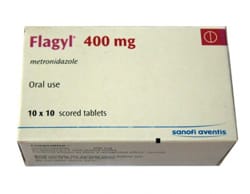
Buy Flagyl Online: Best Prices and Fast Shipping
Common Clinical Uses and Prescription Scenarios
Gastrointestinal and Parasitic Infections
Think of your digestive system as a busy city where a sudden riot breaks out. That is essentially what happens during a severe parasitic invasion. Doctors often reach for Flagyl when the gut is under siege by organisms like Giardia or Entamoeba histolytica. These uninvited guests can turn a peaceful stomach into a battlefield of cramps and distress.
It feels like calling in the heavy cavalry to restore order. When a patient presents with persistent diarrhea that refuses to quit, the physician looks for specific bacterial or parasitic culprits. Flagyl acts like a specialized unit, targeting the DNA of these invaders to stop them in their tracks. It is not a silver bullet for every stomach ache, though.
In clinical settings, we often see this prescribed for amoebic dysentery. This is not something to take lightly, as it can lead to serious complications if left unchecked. Physicians weigh the benefits carefully, ensuring the patient is hydrated while the medication does its heavy lifting. It is about restoring balance to a very chaotic internal ecosystem.
The cost of treatment can vary significantly depending on the dosage and duration. For example, a standard course of generic tablets might range from $15 to $45. However, if you are dealing with a specialized liquid formulation for pediatric use, you might see prices climb closer to $60. Always check with your local pharmacy for the most accurate local rates.
Anaerobic Bacterial Infections and Dental Health
Sometimes, the trouble isn’t in the gut, but deep within the gums or surgical sites. Anaerobic bacteria love the dark, oxygen-free crevices of the human body. They thrive in places where air cannot reach, causing infections that can feel like a throbbing drumbeat inside your jaw or a deep, aching wound.
Dentists frequently utilize this medication when a tooth infection has gone rogue. If a cavity turns into an abscess, the situation becomes urgent. It is like trying to put out a fire in a basement; you need something that can penetrate the deep, hidden layers of the infection to truly neutralize the threat.
Beyond the mouth, it plays a role in treating certain types of pelvic inflammatory diseases. This is a critical scenario where precision is paramount. Doctors aim to clear the infection before it causes long-term damage to reproductive organs. It is a high-stakes game of biological chess where timing is everything for patient recovery.
Below is a general overview of how these scenarios are typically categorized in a clinical setting:
| Infection Type | Common Target Organisms | Typical Symptom Profile |
| Parasitic | Giardia lamblia | Bloating, nausea, and watery stools. |
| Dental | Anaerobic bacteria | Severe gum pain and localized swelling. |
| Intra-abdominal | Bacteroides fragilis | Acute abdominal pain and fever. |
Surgical Prophylaxis and Complex Scenarios
In the sterile theater of an operating room, doctors are always thinking three steps ahead. They know that even the most careful surgeon can encounter bacteria that don’t play by the rules. For certain abdominal surgeries, Flagyl is used as a preventative measure to ensure the healing process isn’t hijacked by infection.
Think of it as a protective shield being deployed before the first incision is even made. By eliminating the risk of anaerobic growth, the medical team creates an environment conducive to recovery. It is a proactive strike rather than a reactive defense, which is often the hallmark of modern, high-quality surgical care.
However, not every prescription is a “one size fits all” situation. A doctor must consider the patient’s medical history, especially regarding alcohol consumption. Mixing this medication with alcohol can cause a “disulfiram-like reaction,” which feels like a sudden, violent illness. It is a strict rule that patients must follow to stay safe.
When considering the financial side of surgical prophylaxis, costs can fluctuate. A single dose used in a hospital setting might add $20 to $50 to a surgical bill. While these costs might seem daunting, they are often viewed as a necessary investment in preventing much more expensive, long-term complications later on.
Standard Dosage Protocols and Administration
The Nuance of Individualized Dosing
Dosing is rarely a matter of simple math; it is an art shaped by the patient’s unique biological landscape. A doctor doesn’t just throw pills at a problem and hope for the best. They must weigh the severity of the infection against the patient’s kidney function and overall stamina.
For adults tackling a standard intestinal infection, the regimen often involves taking 250mg or 500mg tablets three times a day. It is a steady rhythm, a constant beat that keeps the medication levels in the bloodstream high enough to fight the invaders without causing unnecessary toxicity.
Pediatric dosing, however, is a different beast entirely. It is measured by milligrams per kilogram of body weight, ensuring the little ones get exactly what they need. It is a delicate balancing act, much like walking a tightrope, where precision is the only thing preventing harm or ineffective treatment.
Consistency is the golden rule here. Missing a dose is like leaving a gate unlatched during a storm; it gives the bacteria a window to regroup and potentially build resistance. Patients are often told to take it with food to keep their stomach from feeling like a stormy sea.
Administration Methods and Patient Compliance
How the medicine enters the body matters just as much as how much is taken. While tablets are the most common way to deliver this treatment, liquid suspensions offer a smoother path for those who struggle with swallowing. It is all about making the process as painless as possible.
In severe cases, such as a raging abdominal infection, a doctor might skip the oral route entirely. They might opt for an intravenous drip, delivering the medication directly into the veins. This bypasses the digestive system, ensuring the drug hits its target with maximum speed and efficiency.
Compliance is the silent hurdle in every treatment plan. A patient might feel better after two days and decide they are “cured,” stopping the medication prematurely. This is a dangerous gamble. It is like stopping a fire drill before the fire is actually out; the danger remains hidden beneath the surface.
Education is the key to ensuring these protocols work. Healthcare providers must emphasize the importance of finishing the entire course, even if the symptoms vanish. It is a marathon, not a sprint, and finishing the race is the only way to ensure a total victory over the infection.
The following table outlines common pricing variations for different administration formats and quantities:
| Formulation and Quantity | Typical Treatment Duration | Estimated Cost in USD |
|---|---|---|
| Generic Tablets (30-day supply) | 7 to 14 days | $25 |
| Extended Release Capsules (30-count) | 10 to 14 days | $45 |
| Pediatric Liquid Suspension (100ml) | 5 to 7 days | $65 |
| Intravenous (IV) Single Dose (Clinical) | Immediate/Single Use | $85 |
Current Market Pricing and Cost Factors
The Variables of Retail Pharmacy Costs
Walking into a pharmacy to pick up a prescription can feel like entering a marketplace where the rules are constantly shifting. You might find that one local drugstore charges a certain amount, while a large national chain asks for significantly more. It is a frustrating game of musical chairs for the patient’s wallet.
Generic versions of metronidazole are the heavy hitters in the world of affordability. Because many of these medications have been around the block for decades, they are no longer under strict patent protection. This competition drives the price down, making it much easier for the average person to manage their household budget.
Insurance coverage plays a massive role in what you actually pay at the counter. A high-deductible plan might leave you footing the entire bill upfront, which can feel like a heavy blow. Conversely, a robust co-pay structure might reduce your out-of-pocket expense to just a few dollars for the entire course.
Retailers also have their own little secrets regarding pricing. Some stores offer “savings cards” or loyalty programs that can shave a few bucks off the total. It is always worth a quick phone call to a few different locations to see who is offering the best deal on the line.
Hidden Costs and Economic Influences
It is not just the pill itself that carries a price tag; there are many moving parts involved in the final bill. Shipping fees for mail-order pharmacies can add an unexpected layer of expense. If you are in a rush, the convenience of local pickup often comes with a premium price.
Supply chain hiccups can also send prices on a rollercoaster ride. When a specific manufacturer faces a shortage, the scarcity drives prices upward almost overnight. It is a volatile dance that can leave patients scrambling to find an affordable alternative before their prescription runs out.
The complexity of the administration method adds another layer to the economic equation. As we discussed earlier, an intravenous setup in a hospital setting is far more expensive than a simple bottle of tablets. You are paying for the specialized equipment and the expertise of the medical staff.
Ultimately, the cost is a reflection of several competing forces. Demand, manufacturing efficiency, and even regional regulations all play a part in the final number. Understanding these factors helps demystify why your pharmacy receipt might look different than your neighbor’s, even for the same medication.
Consider these common factors that influence the final price you see at the register:
- Insurance Co-pays: The amount your provider requires you to pay before coverage kicks in.
- Generic vs. Brand: Generic options are almost always the most budget-friendly choice.
- Pharmacy Type: Retail, mail-order, and hospital pharmacies all have different pricing models.
- Quantity Ordered: Buying a 30-day supply often offers a better value than multiple smaller refills.
Sourcing Options and Safe Purchasing Methods
Navigating the Pharmacy Landscape
Finding the right place to pick up your prescription can feel like navigating a labyrinth without a map. You have several paths ahead of you, each with its own set of pros and cons. Some patients prefer the immediate gratification of a local drugstore, while others opt for the quiet convenience of a mail-order service.
Local retail pharmacies are the most common route, offering the ability to speak face-to-face with a pharmacist. This is a goldmine of information if you have specific concerns about how the medication interacts with your daily routine. However, you might find that their prices are a bit more “premium” compared to other options.
Mail-order pharmacies act as a steady workhorse for those with chronic needs or recurring prescriptions. They often provide a streamlined experience, delivering your medication directly to your doorstep in a discreet package. While you save on gas and time, you must plan ahead to avoid a gap in your treatment.
Large-scale online pharmacies are also a major player in the modern market. They often boast the most competitive prices, making them a magnet for those looking to stretch their dollar. However, this convenience comes with a heavy caveat: you must ensure the website is legitimate and holds the proper certifications.
Verifying Legitimacy and Safety
The internet is a vast ocean, and not all ships are seaworthy. When looking for online sources, you must be a detective. It is incredibly easy to stumble upon a website that looks professional but is actually a storefront for counterfeit goods. A “too good to be true” price is often a massive red flag.
Always look for the digital seal of approval from reputable regulatory bodies. A legitimate online pharmacy should require a valid prescription from a licensed healthcare provider. If a site offers to sell you medication without a doctor’s oversight, you are likely walking into a trap that could compromise your health.
Check for physical addresses and verifiable customer reviews before you pull out your credit card. A company with a history of transparent communication and real-world feedback is much safer than a ghost operation. Think of it as checking the weather before you head out to sea; preparation is everything.
Finally, consider the packaging and the “feel” of the medication upon arrival. Real, high-quality pharmaceuticals have consistent labeling and tamper-evident seals. If your pills arrive in a generic baggie or look nothing like the samples provided by your doctor, stop immediately and contact your physician.
Comparison of Sourcing Channels
Deciding between these options requires a bit of a balancing act. You have to weigh the immediate need for the drug against the total cost of the transaction. It is a trade-off between time, money, and the peace of mind that comes with knowing your medicine is authentic.
Below is a quick breakdown to help you weigh your choices more effectively:
| Sourcing Method | Primary Advantage | Primary Drawback |
| Local Retail Pharmacy | Immediate pickup and expert advice | Higher costs and potential wait times |
| Mail-Order Pharmacy | Convenience and bulk savings | Requires advanced planning/shipping time |
| Accredited Online Pharmacy | Lowest prices and wide selection | Risk of counterfeit products if unregulated |
Ultimately, the safest bet is always to start with your prescribing doctor. They often have preferred pharmacy partners that offer streamlined communication and reliable pricing. Keeping the lines of communication open ensures that your journey toward recovery remains on the right track without any unnecessary detours.
Critical Interactions and Safety Precautions
The Alcohol Prohibition
If you take Flagyl, you must treat alcohol like the plague. It is not a mere suggestion; it is a hard and fast rule. Mixing this medication with even a tiny amount of alcohol can trigger a “disulfiram-like reaction.” This isn’t just a mild headache or a bit of nausea.
Imagine a sudden, violent wave of nausea, intense vomiting, and a racing heart. Your skin might turn bright red, and you could experience a crushing headache. It feels as though your body is going to war with itself. This reaction can be truly terrifying and quite dangerous for your system.
The danger doesn’t vanish the moment you swallow your last pill. You must keep your nose clean for at least three full days after finishing the course. If you decide to have a celebratory drink too early, you might find yourself paying a very heavy physical price for that mistake.
It is better to be safe than sorry when it comes to your internal chemistry. Your doctor likely mentioned this, but it bears repeating: keep the drinks far away from your prescription. Staying vigilant ensures that your body can focus on healing rather than fighting a chemical battle.
Potential Drug Interactions
Medicine can sometimes act like a crowded room where everyone is shouting at once. When you take Flagyl, certain other substances can create a chaotic mess in your bloodstream. One notable troublemaker is Warfarin, a common blood thinner used to prevent clots. Flagyl can amplify its effects significantly.
This amplification increases your risk of bruising or bleeding unexpectedly. If you notice any unusual marks on your skin or bleeding gums, call your doctor immediately. It is vital to let your healthcare provider know about every single supplement or medication you are currently using to avoid these clashes.
Other interactions might involve certain anticonvulsants or even some types of vitamins. While not every combination is a disaster, the potential for complications is real. Think of your medication schedule as a delicate dance; if one dancer steps out of line, the whole performance can fall apart.
Always provide your pharmacist with a complete list of your current medications. They are the seasoned conductors of this medical orchestra and can spot a discordant note before it becomes a problem. Never skip a dose or add a new supplement without a quick check-up first.
Monitoring Your Health
While most people tolerate the medication well, you must keep a sharp eye on how you feel. Sometimes, the body reacts in ways that require immediate attention. If you notice a sudden skin rash, hives, or any swelling in your face, it is time to call for help.
Watch out for signs of neurological changes as well. If you start feeling dizzy, confused, or experience a tingling sensation in your hands or feet, do not ignore those signals. These can be subtle warning signs that your nervous system is reacting to the treatment in an adverse way.
In rare cases, more serious side effects can emerge. If you experience severe abdominal pain or persistent vomiting, seek medical care right away. It is always better to err on the side of caution and consult a professional than to wait and see if it passes.
Keep a simple log of any symptoms that feel “off” during your treatment. This information is gold when you speak with your physician. Being an active participant in your own care is the best way to navigate the complexities of any medical prescription effectively.
