
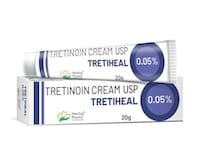
Buy Tretinoin Cream Online at the Best Prices
Navigating Tretinoin Costs and Pharmacy Options
Walking into a pharmacy can feel like stepping into a high-stakes poker game where the house always wins. You might expect a simple tube of cream, but the price tag often hits like a sudden downpour in July. Many people find themselves caught between the allure of luxury skincare and the reality of a tightening monthly budget.
The gap between prescription-strength tretinoin and over-the-counter retinoids is more than just a matter of potency. While OTC products are easier to grab off a shelf, they often cost a premium for “fancy” branding. You might pay $50 for a tiny jar of retinol when a prescription could provide much more bang for your buck.
Think of it as choosing between a boutique coffee shop and a reliable diner. The boutique shop offers the aesthetic experience, but the diner gives you exactly what you need without the extra fluff. When you transition to prescription retinoids, you are essentially paying for the science, not the shiny packaging or the celebrity endorsements.
Understanding this distinction is the first step toward mastering your skincare budget. It is not just about finding the cheapest option, but finding the most effective one that won’t leave your wallet feeling light. Once you grasp the pricing landscape, you can navigate the aisles with much more confidence and clarity.
The Concentration Cost Breakdown
When you look at the numbers, the price often fluctuates based on how strong the formula is. It is a bit like ordering a steak; the thicker the cut, the higher the bill. Most patients start with a lower concentration to avoid the dreaded “retinoid purge” that can make your skin feel like sandpaper.
For those just starting out, the 0.025% concentration is usually the most budget-friendly entry point. It serves as a gentle introduction to the world of Vitamin A. You might find that this strength costs significantly less than the heavy hitters, making it an ideal choice for those testing the waters of chemical exfoliation.
As your skin builds tolerance, you will likely move up the ladder. The 0.05% concentration is the “Goldilocks” zone for many, offering a balance of efficacy and price. It is the workhorse of the skincare world, providing significant anti-aging benefits without the extreme price jump seen in the highest-strength formulas available.
The 0.1% concentration is the heavy artillery, often reserved for stubborn acne or deep wrinkles. Because it is so potent, the cost can climb quite a bit. Below is a rough estimate of what you might see at your local pharmacy for a standard thirty-day supply of these various strengths.
| Concentration | Estimated Monthly Cost |
| 0.025% Tretinoin | $15 – $30 |
| 0.05% Tretinoin | $25 – $45 |
| 0.1% Tretinoin | $40 – $70 |
Brand Names vs. Generics
If you have ever seen Retin-A sitting on a shelf, you know it carries a certain prestige. However, that prestige comes with a hefty price tag that can make your eyes water. Brand-name medications often include a “marketing tax” that covers the research and development costs of the original formula.
The good news is that generic tretinoin is a true chameleon. It contains the exact same active ingredient, performing the same heavy lifting on your skin cells. Switching to a generic is like trading a designer label for a high-quality, unbranded version; the results are virtually identical, but the savings are massive.
In many cases, a generic tube can save you upwards of $50 per prescription. It is a low-hanging fruit for anyone looking to shave costs without sacrificing their complexion. If your dermatologist is willing to write a generic prescription, you are essentially giving yourself a monthly raise for your skincare routine.
Don’t let the lack of a famous logo fool you. The chemistry remains the same, and your skin won’t know the difference between the name brand and the generic. In the long run, choosing the generic route is one of the smartest financial moves a skincare enthusiast can make.
Navigating Insurance and Markups
Pharmacy markups can feel like a maze with no exit in sight. Different pharmacies have different ways of calculating their margins, which can lead to wild price swings. One shop might charge $30 while the one next door asks for $60 for the exact same tube of cream.
Insurance coverage for tretinoin is often a bit of a mixed bag. Some plans treat it as a standard necessity, while others may view it as a “cosmetic” item, which is a polite way of saying they won’t pay a dime. It is vital to check your formulary before you head to the checkout counter.
If you find yourself stuck paying full price, don’t throw in the towel just yet. Many insurance companies have specific tiers for dermatological medications. Sometimes, a simple phone call to your provider to request a “prior authorization” can be the key that unlocks coverage you didn’t know existed.
Keep a close eye on your “out-of-pocket” maximums as well. If you have already met your deductible for the year, your tretinoin might suddenly become much cheaper. Understanding how your specific plan interacts with prescription drugs can save you hundreds of dollars over the course of a single year.
Strategies for Long-Term Savings
If you are planning to use tretinoin for years—as most dermatologists recommend—you need a sustainable strategy. Buying one tube at a time is the most expensive way to maintain your glow. It is like buying milk every single day instead of getting a bulk pack at the warehouse club.
One of the best ways to save is to utilize mail-order pharmacies. These services often have much lower overhead than brick-and-mortar stores and can offer significant discounts on long-term supplies. They are a lifeline for those living in rural areas or those who simply value convenience and lower costs.
Another pro tip is to look into manufacturer coupons or discount cards. Even if you don’t have insurance, these cards can sometimes bring the price down to a fraction of the retail cost. It’s worth the five minutes of effort to search online for a valid coupon before you pay.
Finally, always ask about “90-day supplies.” Many pharmacies are willing to dispense a three-month supply at once, which often triggers a lower per-unit price. By planning ahead and being a bit of a detective, you can enjoy your skin’s transformation without breaking the bank.
- Request generic versions of all prescriptions.
- Compare prices between local pharmacies and mail-order services.
- Inquire about 90-day supply discounts to lower the per-month cost.
- Use discount cards to bypass high retail markups.
Optimal Application Methods and Dosage Schedules
Stepping into the world of retinoids can feel like walking into a minefield of potential irritation. Many users dive in headfirst, only to find themselves waking up with skin that feels like sandpaper. It is a common pitfall that turns many enthusiasts away before they ever see a single wrinkle fade.
To avoid this, the “Sandwich Method” is your best friend. Think of it as a protective buffer for your delicate skin barrier. You apply a thin layer of moisturizer, wait for it to dry, and then apply your tretinoin. Finally, you seal it all in with another layer of moisturizer.
This technique acts like a shock absorber for your complexion. By placing a moisturizer layer beneath the active ingredient, you slow down the absorption rate. This prevents the sudden “hit” to your skin cells that often triggers redness, flaking, and that uncomfortable tightness that makes you want to quit.
If your skin is particularly sensitive, you might even consider the “Buffering Method.” This involves mixing your tretinoin directly into your moisturizer. It dilutes the strength slightly, making the transition much smoother. It is better to start slow and steady than to burn your skin barrier to a crisp.
Mastering the Nighttime Routine
For the absolute beginner, patience is your most valuable ingredient. You should not jump straight into nightly use. Instead, start with an “every third night” schedule. This gives your skin time to recover and adapt to the increased cellular turnover without becoming a red, peeling mess.
Once your skin stops being “cranky”—meaning no redness or stinging when applying other products—you can graduate to every other night. This is the sweet spot for many. It allows for consistent progress while maintaining a healthy moisture barrier that keeps the light reflecting off your skin.
Seasoned users, those who have been using the cream for months without issue, can usually move to nightly application. At this stage, your skin has developed a certain tolerance. You are no longer just testing the waters; you are fully submerged in the transformative power of the retinoid.
However, even veterans should listen to their skin. If you notice unexpected dryness or a “tight” feeling, scale back immediately. Skin is not a static thing; it changes with the seasons, your diet, and your stress levels. Always be ready to retreat to a more gentle schedule if needed.
Precision in Application and Quantity
A common mistake is thinking that “more is better.” In the world of tretinoin, more is actually worse. Applying a thick glob of cream won’t speed up results; it will only increase the likelihood of a chemical burn. You are looking for a thin, even veil, not a mask.
The gold standard for quantity is the “pea-sized amount.” Imagine a single, small pea sitting on the tip of your finger. That is all you need for your entire face. Spreading it from the forehead down to the chin and across the nose should be sufficient to cover the necessary areas.
Using too much product is a double-edged sword. Not only are you literally flushing money down the drain, but you are also inviting disaster. Excessive amounts often migrate into the corners of the nose and eyes, areas where the skin is naturally thinner and much more prone to severe irritation.
To keep your budget in check, use a dedicated spatula or a clean fingertip to scoop the product. Avoid dipping your finger directly into the jar if you are using a jar-based cream, as this can introduce bacteria. Precision ensures every cent of your investment goes toward your glow.
The following table compares common prescription options to help you visualize different cost-saving strategies for your regimen:
| Prescription Strategy | Estimated Monthly Cost | Duration of Supply | Best For |
|---|---|---|---|
| Brand Name Retail | $120 | 30 Days | Convenience seekers |
| Generic Local Pharmacy | $35 | 30 Days | Budget-conscious users |
| Mail-Order Generic | $22 | 90 Days | Long-term consistency |
| Discount Program | $15 | 30 Days | Uninsured individuals |
Avoiding Common Dosage Pitfalls
The most dangerous mistake is “skipping the sunscreen.” Tretinoin makes your skin incredibly sensitive to UV rays. If you are applying it at night but ignoring SPF during the day, you are essentially undoing all your hard work. You might even cause more pigmentation issues than you solve.
Another trap is the “over-exfoliation loop.” When you see peeling, the instinct is to grab a scrub or a chemical exfoliant to “smooth things out.” This is a recipe for disaster. Peeling is a sign that your skin is renewing; scrubbing it will only cause raw, weeping skin.
Watch out for “product crowding.” Using tretinoin alongside other powerful actives like Vitamin C, Salicylic Acid, or Benzoyl Peroxide can be overwhelming. It is best to use Vitamin C in the morning and reserve your tretinoin for the evening to avoid a chaotic chemical cocktail on your face.
Finally, never apply the cream to damp skin. Moisture on the surface of your face acts like a highway for the medication, pulling it deeper and faster into the dermis. This rapid absorption is the primary cause of the dreaded “retinoid burn.” Always wait at least twenty minutes after washing.
Selecting the Right Strength for Your Skin Type
Choosing your starting point is like picking a hiking trail; you wouldn’t sprint up Everest on your first day. If your primary goal is tackling stubborn acne, a higher concentration might seem tempting. However, for those primarily focused on fine lines and sun damage, a lower dose often provides the most sustainable results.
For acne-prone skin, doctors often suggest starting with a 0.05% concentration to manage inflammation. If you are chasing that youthful, “glass skin” glow to combat aging, you might eventually aim for higher percentages. It is vital to match the strength to your specific skin concern rather than just grabbing the strongest box on the shelf.
The “more is better” fallacy is a costly mistake. Many beginners rush into high percentages, only to end up with a compromised skin barrier. This leads to a cycle of redness and peeling that requires expensive, soothing recovery creams. Starting low and slow can save you at least $40 to $60 monthly on heavy-duty moisturizers.
Think of it as a slow burn rather than a flash fire. By utilizing a lower dose, you allow your skin’s cellular turnover to adjust without triggering a massive inflammatory response. This patience keeps your wallet full and your complexion relatively calm during the transition period.
Navigating the Purging Phase
The “purging phase” is the inevitable storm that often precedes the calm. When you introduce a potent retinoid, it accelerates cell turnover, pushing deep-seated impurities to the surface all at once. It can feel like your skin is breaking out, but it is actually cleaning house.
The intensity of this purge is directly tied to your dosage. A 0.1% concentration might trigger a sudden eruption of whiteheads within the first two weeks. Conversely, a 0.025% dose might result in a much more manageable, gradual transition that you barely notice in the mirror.
If you find yourself in a “purging war,” do not panic or switch products immediately. If you are using a high potency, try backing off the frequency rather than the strength. This helps your skin build resilience without losing the momentum of the active ingredient’s transformative benefits.
Managing this phase requires a steady hand and a bit of grit. If you notice excessive, painful cystic acne, consult your dermatologist, as you may have crossed the line from purging into irritation. Most of the time, the “ugly phase” is just a temporary hurdle on the path to clarity.
Upgrading Your Potency and Vehicles
Once your skin has become a seasoned veteran, you might hit a plateau. If you have used 0.05% for several months and notice no change in texture or fine lines, it might be time to upgrade. Moving to 0.1% is a significant jump that requires a cautious approach.
Before making the leap, ensure your skin is “bulletproof.” You should be able to use other actives or even a mild exfoliant without feeling any stinging or tightness. If your skin feels “tight” like a drum, stay at your current level for another month before attempting an upgrade.
The vehicle—whether it is a cream or a gel—is just as important as the percentage. Creams are generally more emollient and are a lifesaver for dry or sensitive skin types. They act as a buffer, slowing down the absorption and providing a layer of hydration.
Gels, on the other hand, are much more “penetrative.” Because they lack the heavy oils found in creams, they sink into the skin much faster. This makes them excellent for oily or acne-prone skin, but they can also increase the risk of irritation if you are a beginner.
| Skin Type | Recommended Vehicle | Primary Benefit |
| Oily/Acne-Prone | Gel | Faster absorption, lightweight feel |
| Dry/Sensitive | Cream | Buffer against irritation, moisturizing |
| Combination | Cream (Spot Apply) | Targeted hydration where needed |
Strategic Purchasing and Shipping Logistics
Navigating the digital marketplace for prescription skincare can feel like walking through a minefield. You might stumble upon a website offering sky-high discounts that seem too good to be true. Always remember that if a deal looks like a steal, it might actually be a trap designed to sell you counterfeit or expired products.
To avoid these pitfalls, look for legitimate online pharmacies that require a valid prescription from a licensed healthcare provider. A reputable vendor will always offer a way to consult with a doctor through their platform. Avoid any site that promises “instant” prescriptions without a medical evaluation, as these are often unregulated and unsafe.
Verifying the legitimacy of a pharmacy involves checking for a physical address and a clear return policy. You should also look for seals of approval from recognized medical boards. It is better to pay an extra $15 to $25 for a verified source than to risk your skin’s health on a shady operation.
Ensuring Product Integrity and Delivery
Tretinoin is a temperamental ingredient that hates heat. Think of it as a delicate traveler that needs a cool, calm environment to stay effective. If your cream sits in a sweltering delivery truck for three days, the active molecules might break down before they even reach your doorstep.
When choosing a shipping method, prioritize speed over cost. While a $5 economy shipping option might seem tempting, the extra days spent in a hot warehouse can render your expensive cream useless. Opt for tracked, climate-controlled, or rapid shipping options to ensure your medicine arrives in peak condition for your nightly routine.
Once the package arrives, perform a quick “health check” on your tube. Check the expiration date clearly printed on the crimp or the box. If the cream has changed color, developed a strange odor, or separated into an oily liquid, discard it immediately. A degraded product is nothing more than an expensive, irritating mess.
The Perils of Third-Party Marketplaces
It is incredibly tempting to browse massive third-party marketplaces to find a bargain. You might see a tube of Tretinoin listed for $12 when a pharmacy charges $50. However, these platforms are often flooded with unverified sellers who bypass strict quality control measures to maximize their own profits.
Buying from these unmonitored sources is a gamble with your skin’s barrier. You have no guarantee that the concentration matches the label. A tube labeled 0.05% might actually contain 0.1%, leading to chemical burns, or it might contain nothing at all, leaving you with a useless, wasted investment.
The risk isn’t just about the potency; it is about purity. Unregulated products can contain heavy metals or contaminants that cause long-term dermatological issues. If you want consistent, predictable results, steer clear of the “wild west” of third-party marketplaces and stick to regulated, prescription-only channels.
Mastering Your Skincare Logistics
Consistency is the secret sauce of any successful retinoid journey. To avoid the dreaded “out of stock” panic, you must decide between a one-time purchase or a subscription model. A subscription can be a lifesaver, ensuring your supply arrives just as your current tube is running low.
Subscription models often come with a slight discount, perhaps saving you $5 to $10 per month, which adds up over time. However, they can also be difficult to cancel if you decide to switch products. Always read the fine print regarding “auto-renew” clauses before committing your credit card to a recurring cycle.
On the other hand, one-time purchases offer the most flexibility. If you are still testing a new concentration, you might not want to commit to a three-month supply just yet. You can buy exactly what you need, when you need it, without any unwanted monthly charges hitting your bank account.
When your order arrives, verify the label against your prescription immediately. The strength, the name, and the manufacturer should all align perfectly. If you find a discrepancy, contact the vendor right away. It is much easier to resolve a shipping error than it is to fix a damaged skin barrier.
| Purchase Type | Best For | Key Advantage |
| Subscription | Long-term users | Automated refills & discounts |
| One-time | Beginners/Testers | Maximum flexibility |
Synergistic Ingredients and Routine Conflicts
Using Tretinoin is like driving a high-performance sports car; it requires the right fuel and a smooth road. If you start throwing incompatible ingredients into your routine, you might find yourself in a dermatological ditch. A broken skin barrier isn’t just a minor inconvenience; it can be an expensive, painful ordeal to fix.
When your skin becomes red, flaky, and stinging, you aren’t just dealing with “purging.” You are likely facing a compromised moisture barrier. Repairing this damage often requires a complete halt of all actives, meaning you’ll spend an extra $40 to $60 on soothing balms and heavy creams just to get back to baseline.
Think of your skin’s surface as a protective shield. When you clash ingredients, you poke holes in that shield. Suddenly, every basic moisturizer feels like sandpaper. It is much cheaper to play it safe from the start than to pay for a professional dermatologist’s visit to treat a chemical burn.
The Nightly Clash: Vitamin C and Acids
I once met a client who wanted to “maximize results” by applying Vitamin C, Glycolic Acid, and Tretinoin all at once. It was a recipe for disaster. While Vitamin C is a powerhouse for brightening, it is notoriously unstable and often requires a low pH environment to work effectively.
Mixing Vitamin C or AHA/BHAs with Tretinoin at night is like trying to host a party where everyone is shouting at once. The acidity of the exfoliants can cause extreme irritation when paired with the cell-communicating power of a retinoid. You end up with a face that looks like a sunset—red and peeling.
The golden rule is to separate your heavy hitters. Save your Vitamin C for the morning to fight off oxidative stress from the sun. Keep your Tretinoin strictly for the nighttime. If you must use an acid, wait a few nights between sessions to let your skin catch its breath.
- Vitamin C: Use in the AM to boost sun protection.
- AHA/BHAs: Use 1-2 times a week, ideally on “off” nights.
- Tretinoin: Use only at night on dry, clean skin.
Building a Supportive Ecosystem
If Tretinoin is the engine, then Hyaluronic Acid is the oil that keeps everything running smoothly. This humectant pulls moisture into the skin, acting as a buffer against the drying effects of your prescription. Applying a hyaluronic serum to damp skin can significantly dampen the “retinoid sting.”
Ceramides are your skin’s best friends during this journey. These lipids act as the mortar between your skin cell bricks. A thick, ceramide-rich moisturizer is non-negotiable; it seals in hydration and prevents “transepidermal water loss.” Without it, you are essentially leaving your skin’s front door wide open to the elements.
Don’t be a miser when it comes to hydration. You might think a $10 moisturizer is sufficient, but when your skin is adjusting to a potent retinoid, you may need something more substantial. Investing $25 to $40 in a high-quality barrier cream is a smart insurance policy against irritation.
The Non-Negotiable SPF Requirement
Using Tretinoin without daily sunscreen is like walking through a storm without an umbrella and expecting to stay dry. Tretinoin increases your skin’s sensitivity to UV rays, making you significantly more prone to sun damage and hyperpigmentation. It sounds counterintuitive, but the very product meant to fix your skin can damage it if neglected.
Sunscreen is not an “optional extra” in this regimen; it is a mandatory requirement. You need a broad-spectrum SPF 30 or higher, every single morning, even if you are staying indoors or if it is a cloudy day. The rays still find a way to penetrate through the window glass.
If you skip the SPF, you are essentially throwing your Tretinoin money down the drain. You might be treating dark spots with the cream, only to have the sun immediately darken them again. It is a frustrating, expensive cycle of chasing results that you are simultaneously undoing every morning.
Budgeting for a Compatible Routine
A complete, compatible skincare ecosystem requires a bit of financial planning. You cannot just buy the Tretinoin and call it a day. You must account for the “support staff”—the cleansers, hydrators, and protectors that keep the process stable and safe for your complexion.
When budgeting, I suggest a “tiered approach.” Spend more on your active treatments and your SPF, as these are the heavy lifters. You can often find budget-friendly, effective options for basic cleansers or simple moisturizers. This keeps your total monthly skincare spend between $70 and $120 on average.
| Category | Priority | Estimated Cost |
| Tretinoin | High | $40 – $80 |
| SPF 30+ | Critical | $15 – $30 |
| Ceramide Cream | Essential | $20 – $45 |
Troubleshooting Irritation and Skin Sensitivity
It is easy to mistake a temporary skin adjustment for a total disaster. Many users find themselves panicking when they see a few new breakouts or slight flaking. However, there is a massive difference between a “purge” and a genuine “reaction” that requires immediate intervention.
A purge is essentially your skin’s way of cleaning house. It pushes existing congestion to the surface, meaning you might see a few more bumps in your usual trouble spots. This process is usually localized and subsides within a few weeks. If you feel a slight, manageable tightness, you are likely on the right track.
On the other hand, an actual reaction feels like a betrayal. If your skin feels hot to the touch, turns a bright, angry red, or starts to itch intensely, you have crossed the line. A reaction isn’t just “getting used to the product”; it is your skin’s immune system sounding a loud, painful alarm.
Identifying this distinction early can save you a lot of grief. If you see small whiteheads in areas where you normally get acne, stick with it. If your eyelids or the corners of your nose start peeling and burning, stop everything. That is not a purge; that is a chemical burn in the making.
Immediate Steps for Skin Distress
When your skin starts to act like a volcano, the first rule is to retreat. Do not try to “power through” the irritation. This is the moment to strip your routine back to the absolute bare essentials. Think of it as a temporary vacation for your face, allowing the barrier to rebuild itself.
Stop using all actives immediately. This means no Vitamin C, no exfoliating acids, and certainly no more Tretinoin. Your goal is to soothe, not to treat. Reach for a bland, fragrance-free cleanser and a thick, soothing moisturizer. You need to calm the storm before you attempt to direct the weather again.
Hydration is your lifeline during this period. Look for products containing panthenol or colloidal oatmeal, which act like a soothing balm on a burn. If your skin feels particularly tight, you can apply a thin layer of a petrolatum-based ointment at night to lock in moisture and prevent further water loss.
Give your skin at least a week of “recovery mode” before even thinking about reintroducing your prescription. If you rush back into the fray too quickly, you risk creating a cycle of chronic inflammation. It is better to lose a few days of progress than to lose your skin’s integrity entirely.
The Hidden Cost of Skincare Emergencies
Most people only think about the price of the tube of cream, but the financial fallout of a “skincare emergency” is much larger. When you ruin your skin barrier, you aren’t just looking at a red face; you are looking at a series of unexpected expenses to fix the damage.
First, there is the cost of the “emergency kit.” You will suddenly find yourself spending an extra $50 to $100 on heavy-duty barrier creams, soothing serums, and gentle, non-foaming cleansers that you didn’t originally plan to buy. These are unplanned expenses that can quickly derail a monthly beauty budget.
Then, there is the “opportunity cost” of wasted products. If you have to stop using your $60 serum or your $40 expensive vitamin C because your skin is too sensitive to handle them, that money is essentially sitting on a shelf, doing nothing. You are paying for results that you cannot actually use right now.
In extreme cases, a severe reaction might require a visit to a dermatologist. A single consultation can easily run $150 to $300, depending on your location and insurance. When you add up the wasted products and the medical visits, a “cheap” mistake can become a very expensive lesson.
Recalibrating Your Routine
Once your skin has stopped stinging and the redness has faded, you cannot simply jump back into your old routine as if nothing happened. You have to approach the return of Tretinoin with extreme caution. Think of it like learning to walk again after an injury; you must take small, careful steps.
The “sandwich method” is a lifesaver for those with sensitive skin. Apply a thin layer of moisturizer first, then your Tretinoin, and then another layer of moisturizer on top. This creates a buffer that slows down the absorption rate, making the transition much more gentle on your skin’s surface.
You also need to adjust your frequency. If you were using it every night, drop back to twice a week. Gradually increase the frequency only when your skin shows zero signs of redness or flaking. It is better to take three months to reach your goal than to spend three weeks in constant pain.
Monitor your skin’s reaction during every single step of this reintroduction. If you notice the itchiness returning, pull back immediately. Consistency is important, but flexibility is even more vital. Your skin’s needs change based on the weather, your stress levels, and your hormonal cycles.
Evaluating the Benefit-to-Cost Ratio
At some point, you have to ask yourself a hard question: Is this worth it? We often fall in love with the *idea* of perfect skin, but we forget that the journey is often paved with discomfort. Sometimes, the cost of managing side effects simply outweighs the cosmetic benefits.
If you find yourself spending $100 every month on “repair” products just to keep your skin from peeling, the math is no longer working in your favor. You are essentially paying a “tax” on your acne or anti-aging treatment. If the maintenance is as expensive as the treatment, reconsider your goals.
There are many ways to achieve skin health that don’t involve constant inflammation. If your skin remains chronically reactive despite months of careful management, it might be a sign that your skin barrier is naturally thinner or more sensitive. In that case, a different approach might be more effective.
Listen to your skin, not just the marketing. If the pursuit of “glass skin” leaves you with a face that feels like sandpaper, it’s time to pivot. True beauty shouldn’t require a second mortgage or a constant state of dermatological crisis management.
