
Buy Ozempic Online: Compare Best Prices and Pharmacy Deals
Navigating Ozempic Dosage and Administration
Starting semaglutide can feel a lot like learning to drive a manual transmission. You cannot just floor the gas pedal the moment you sit in the driver’s seat. Instead, you have to ease into the rhythm, letting your body get used to the chemical shifts happening inside your metabolic system.
Most doctors follow a “start low and go slow” philosophy. This cautious approach works like a safety net, helping to minimize the nausea that often pops up during that initial adjustment period. It is not a race, but a steady walk toward a more balanced state.
The standard protocol begins with a 0.25 mg dose once weekly. Think of this first phase as a priming period. During these first four weeks, the medication isn’t necessarily fighting your blood sugar yet; it is simply teaching your stomach and brain how to handle the new guest.
If you miss a dose or skip a window, the rules of engagement change. If you remember within five days, you can take it. However, if it has been longer than that, just skip the shot entirely and wait for your next scheduled day.
The Escalation Ladder
Once your body settles into its weekly routine, your doctor might suggest stepping up the ladder. This transition usually happens after at least four weeks of successful tolerance. It is a delicate balance between getting the therapeutic benefits and managing the side effects that might try to trip you up.
Commonly, the dosage climbs from 0.25 mg to 0.5 mg, and eventually to 1.0 mg or higher. Not everyone needs the maximum dose to see real results. Some people find their sweet spot early on, while others need the higher tiers to move the needle on their A1C levels.
Increasing the dose is not a sign of failure if you feel side effects. It is just the biological reality of how the drug interacts with your GLP-1 receptors. Listen to your gut—literally—and tell your medical team about any discomfort immediately.
The following table outlines the typical progression seen in many clinical settings. Keep in mind that this is just a general roadmap and not a strict prescription. Your biology is unique, and your physician is the only one who can tailor this trajectory for you.
| Phase | Weekly Dosage | Primary Objective |
| Initiation | 0.25 mg | Acclimation and Tolerance |
| Maintenance Step 1 | 0.5 mg | Glycemic Control |
| Maintenance Step 2 | 1.0 mg | Optimal Metabolic Support |
Injection Logistics and Supplies
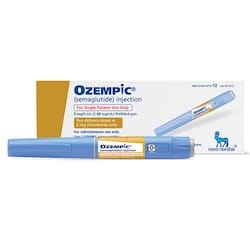
The actual act of administration is designed to be as painless as a mosquito bite. The pre-filled pens are sleek and remarkably easy to use. You don’t need to be a medical professional to master the technique; it is a straightforward process of clicking and injecting.
Always keep your pens in the refrigerator, ideally between $38^\circ\text{F}$ and $46^\circ\text{F}$. Leaving them out on a warm kitchen counter is a recipe for disaster. If a pen sits at room temperature for too long, it might lose its potency, and your progress could vanish like smoke.
When you go to the pharmacy, keep an eye on the total cost of your supplies. While insurance coverage varies wildly, out-of-pocket costs for a single month of pens can often range from $150 to $900 depending on your plan. It is a significant investment in your long-term wellness.
Proper disposal is the final, crucial step. Never toss used needles in the regular trash because that is a major safety hazard. Use a dedicated sharps container to keep your household safe. It is a small habit that prevents a much larger, much sharper headache later.
- Check the liquid clarity before every single injection.
- Rotate your injection sites between the abdomen and thighs.
- Avoid injecting into areas that are bruised or irritated.
- Always use a fresh, sterile needle for every single dose.
Ozempic Pricing and Cost Breakdown in USD
Navigating the financial side of modern medicine can feel like walking through a dense fog without a compass. When you start looking at the sticker price for Ozempic, the numbers can certainly make your head spin. It is rarely a flat fee, as the total bill often depends on how much your insurance company decides to chip in.
Many patients find themselves caught in a tug-of-war between pharmacy benefits and a monthly budget. Some insurance providers treat this medication as a necessity for diabetes management, while others treat it as an optional luxury. This distinction can lead to a massive gap in what you actually pay at the register.
If you are paying out-of-pocket, prepare to shell out a significant amount of cash. Without the safety net of a good plan, you might find yourself looking at several hundred dollars every single month. It is a steep climb, but understanding the variables can help you prepare for the journey ahead.
Factors Influencing Your Total Bill
The first thing to consider is your specific insurance tier. A high-deductible plan might leave you footing the entire bill until you meet your annual limit. On the other hand, a plan with a generous co-pay might make the medication feel like a minor bump in the road rather than a mountain.
Pharmacy benefits are another wild card. Some networks prefer certain brands over others, which can shift your costs overnight. It is always wise to call your provider and ask, “What is my specific co-pay for Ozempic?” before you even step foot inside the pharmacy doors.
Manufacturer coupons can sometimes act as a life raft in stormy financial waters. Many pharmaceutical companies offer savings cards that can significantly lower the cost for those with commercial insurance. However, these cards rarely work if you are using government-funded programs like Medicare or Medicaid.
Don’t forget to factor in the “hidden” costs of managing your prescription. This includes the price of sharps containers for safe disposal and the potential cost of extra supplies if your kit is incomplete. While these seem small, they add up like pebbles in a heavy backpack over time.
The following table provides a snapshot of what you might expect to see when looking at various pricing structures and retail estimates.
| Cost Category | Estimated Price Range | Key Determining Factor |
|---|---|---|
| Standard Retail (No Insurance) | $900 – $1,200 | Pharmacy location and stock |
| Insurance Co-pay (Preferred) | $25 – $150 | Plan tier and formulary status |
| High-Deductible Plan | $800 – $1,100 | Amount of deductible remaining |
| Manufacturer Savings Card | $5 – $25 | Eligibility and insurance type |
Strategies for Managing Medication Costs
If the price tag looks a bit daunting, don’t lose heart just yet. Many people find success by shopping around at different local pharmacies. Some large chains might have different contract rates with insurance companies, which can result in a noticeable difference in your final co-pay.
It is also worth having a candid conversation with your doctor about your financial constraints. They may be able to suggest alternative ways to manage your condition or help you navigate the paperwork required for prior authorization. Sometimes, a little bit of advocacy goes a long way.
Staying organized is your best defense against unexpected expenses. Keep a folder with all your insurance explanations of benefits (EOB) and pharmacy receipts. When a bill looks wrong, you want to have your ducks in a row so you can challenge it effectively and promptly.
Lastly, always keep an eye on the horizon. Medical coverage and manufacturer assistance programs are constantly changing. What was affordable last year might be different next month, so staying informed is just as important as following your prescribed dosage schedule.
