
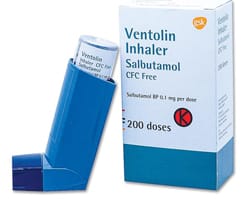
Buy Ventolin Online: Compare Prices and Secure Best Deals
Navigating Ventolin Costs and Savings Strategies
The Reality of Retail Pricing
Walking into a local pharmacy can sometimes feel like stepping into a high-stakes poker game where the house always wins. For a standard Ventolin Hfa 90mcg (Albuterol) inhaler, the retail sticker price often hovers around the $99.00 mark. This can feel like a heavy blow to anyone managing a chronic respiratory condition.
When you dig a little deeper into the wholesale landscape, the numbers start to shift. You might find specialized medical suppliers offering the same inhaler for $92.99. While this is a slight reprieve, it is hardly the massive windfall many patients hope for when they are staring down a monthly prescription.
It is a bit like shopping for airline tickets; the price fluctuates based on where you look and how much time you spend digging. Comparing the retail markups against these wholesale rates is essential for anyone trying to keep their medical budget from spiraling out of control.
Ultimately, the gap between the market average and the pharmacy counter can be wide. Understanding these price tiers allows you to navigate the system with a bit more confidence, ensuring you aren’t overpaying for the same life-saving puffs of air.
Leveraging Membership and Insurance
If you are looking for a silver lining in the cloud of medical expenses, consider the Kroger Rx club. For an annual membership fee of $36/yr, you might find that the price on Ventolin inhalers drops significantly. It is a small investment that can yield massive savings over the long haul.
For some, the “golden ticket” is a robust insurance plan. While retail prices can be steep, the average insurance copay for an inhaler can drop as low as $5.00. That is a staggering difference that can make or break a household’s monthly budget for respiratory care.
However, insurance is a double-edged sword that requires careful reading. You must check your specific formulary to see where Ventolin sits. If it’s a preferred brand, your out-of-pocket expenses will be minimal, but a non-preferred status could leave you footing the bill entirely.
Don’t let the fine print trip you up. Always verify your coverage before you leave the doctor’s office. Knowing whether you’re looking at a $5.00 copay or a $99.00 retail expense changes your entire strategy for managing your long-term respiratory maintenance.
Finding the Best Market Prices
Hunting for the best deal on inhalers is a marathon, not a sprint. You shouldn’t just settle for the first price you see on a shelf. Instead, treat it like a scavenger hunt. Check online wholesalers, local pharmacy loyalty programs, and your insurance provider’s preferred list.
Price transparency is becoming more common, but you still have to do the legwork. Consider these common avenues for comparison:
- Wholesale medical supply websites for lower base prices.
- Pharmacy club memberships like the Kroger Rx club for discounted rates.
- Insurance-preferred pharmacies where copays are strictly regulated.
- Comparison shopping between large retail chains and independent local pharmacies.
Maintaining a steady supply of medication is vital for your health. If you are managing long-term needs, the goal is to find a consistent, low-cost channel rather than chasing one-time deals. It is about stability and predictability in your healthcare spending.
In the end, being a savvy consumer means being proactive. Don’t wait until you are gasping for air to realize your inhaler is too expensive. Build a strategy now, so you can breathe easy knowing your finances are as steady as your lungs.
Purchasing Ventolin Inhalers Online and Offline
Stepping into a local pharmacy is often the quickest route to relief when an asthma attack feels like a tightening vise. However, the physical trip requires time and gas. Sometimes, you just need that blue canister delivered to your doorstep without the hassle of a waiting room.
In some specific regions, you might find that the legal landscape is a bit more relaxed. For instance, certain online platforms claim to offer Ventolin inhalers without a prescription in the United States. While this sounds like a godsend for those in a pinch, always tread carefully regarding legality and safety.
The convenience of 24/7 online delivery is hard to beat when the sun goes down. You can browse, click, and sleep, knowing your respiratory support is on its way. It turns a frantic midnight pharmacy run into a simple, quiet transaction from your couch.
On the other hand, the traditional pharmacy trip offers something the internet often lacks: immediate gratification. If you are gasping for air right now, a website’s shipping window is a bitter pill to swallow. You can’t wait three days for a package when you need a puff today.
Global Availability and Regional Nuances
Geography plays a massive role in how easily you can access your medication. In a bustling hub like Dubai, the rules change. You might find that you can purchase a Ventolin inhaler over the counter in certain local pharmacies there, though availability is never a guarantee.
International markets often operate under different regulatory frameworks. What is strictly controlled in one country might be a common over-the-counter item in another. This variance can make traveling with your medication a bit of a logistical headache if you aren’t prepared for the local laws.
Navigating these waters requires a bit of detective work. Relying on hearsay about what is available in a foreign city can lead to disappointment. It is always best to check local pharmacy regulations before you pack your bags and head across the ocean.
When considering international online wholesalers, reliability is the name of the game. Some suppliers are lightning-fast, while others are as slow as a snail on a Sunday stroll. You want a vendor that combines rapid shipping with a track record of delivering genuine, unexpired medical supplies.
Comparing Online and Retail Options
Major retailers like Amazon have become a go-to for many when it comes to respiratory support products. They offer the comfort of familiar shipping and a vast selection of related items. It feels like a one-stop shop for everything your lungs might need to stay happy.
However, using a giant marketplace has its pitfalls. You must be vigilant about the source of the product. While Amazon offers convenience, ensuring that a third-party seller is providing authentic Ventolin rather than a generic imitation is a vital step in your safety protocol.
Below is a breakdown of different ways you might acquire your inhalers and what you can expect to pay in terms of cost and accessibility.
| Purchase Method | Typical Price Range | Key Benefit | Availability |
|---|---|---|---|
| Local Pharmacy (Retail) | $99.00 | Immediate pickup | High (with Rx) |
| Wholesale Online | $92.99 | Bulk savings | Variable |
| Insurance Copay | $5.00 | Massive savings | Plan dependent |
| Pharmacy Club (Kroger) | $36.00 (Annual Fee) | Deep discounts | Member only |
Dosing Protocols and Usage Scenarios
Think of your Ventolin as a fire extinguisher in a kitchen. You don’t use it to prevent a fire from starting, but you certainly hope it’s handy when a flame pops up. For many, using it becomes a frantic dance of puffs during a sudden asthma attack, seeking that immediate, life-saving relief when the chest feels tight.
Doctors often prescribe a specific regimen depending on how your lungs behave under pressure. For an acute attack, a common approach involves taking two puffs every twenty minutes for up to an hour. However, if you are an athlete, you might use it twenty minutes before hitting the track to ward off exercise-induced bronchospasm. It is a preventive shield against the wind.
It is vital to distinguish between your “rescue” needs and “maintenance” routines. Ventolin is strictly a rescue medication, a quick fix for when breathing becomes a struggle. It is not a daily controller. Using a rescue inhaler every single day might signal that your underlying asthma isn’t being managed properly by your long-term medications.
Mastering the Technique
Using an HFA inhaler is an art form that requires a steady hand and a bit of patience. Many people shake the canister vigorously for five seconds, which is the golden rule. If you don’t shake it, you might just be puffing plain air into your lungs instead of the medicine you desperately need.
Once you’ve primed the device, exhale slowly away from the inhaler to clear your lungs. Then, place the mouthpiece between your teeth and begin a slow, deep breath. As you inhale, press down on the canister once. This synchronicity is the secret sauce to ensuring the medication reaches deep into your bronchial tubes.
After you’ve taken your puff, hold your breath for about ten seconds. This allows the particles to settle and do their job. Take a break, perhaps a minute, before any subsequent puffs. It might feel like a slow process, but rushing the technique is like trying to pour water into a bottle by throwing it from a distance.
To ensure you aren’t left high and dry, keep a checklist of the following steps:
- Shake the inhaler well to mix the propellant and medicine.
- Exhale fully to make room for the medication.
- Press the canister once while inhaling deeply and steadily.
- Hold your breath for ten seconds to maximize absorption.
Recognizing the Danger Zone
Sometimes, even the best medicine can fall short of the mark. You need to know when to stop fiddling with your inhaler and start looking for an emergency room. If you find yourself gasping for air even after using your rescue inhaler, your body is screaming for professional medical help.
Watch out for these specific red flags that indicate your current dosage is simply not cutting it:
- Blue-tinted lips or fingernails, a sign of low oxygen.
- Difficulty speaking in full sentences because of breathlessness.
- The sensation of being unable to take a full breath despite medication.
- Rapid, shallow breathing that doesn’t settle down.
If these symptoms arise, do not wait for the “next puff” to work. Call emergency services immediately. It is better to be overly cautious in a hospital waiting room than to stay home hoping for a miracle. Your life is worth far more than the fear of a false alarm.
Navigating Life’s Triggers
Life doesn’t stop just because your lungs are feeling temperamental. Whether you are walking through a park filled with pollen or running through a dusty construction site, environmental triggers can turn a clear afternoon into a respiratory nightmare. Being prepared is the difference between a minor inconvenience and a medical crisis.
When you know you are entering a high-risk situation, such as a workout in cold air or a gathering in a smoky room, have your Ventolin within arm’s reach. For athletes, the timing is everything. Using it as a preemptive strike can keep your breathing steady even as your heart rate climbs during a sprint.
Managing your activity levels means listening to your body’s subtle cues. If you notice a slight wheeze during a walk, don’t push through the pain. Take a moment, use your inhaler if prescribed, and assess whether you need to scale back your exertion. Knowledge of your triggers is your strongest defense against the wind.
Comparing Ventolin with Alternative Respiratory Aids
It is easy to get lost in the aisles of a pharmacy, staring at a sea of different canisters and tubes. You might see a sleek, non-medicated vapor inhaler sitting right next to a heavy-duty prescription Ventolin. At first glance, they might look like cousins, but they are worlds apart in terms of how they function inside your body.
Ventolin contains albuterol, a powerful bronchodilator that works on a cellular level to open up your airways. It is the heavy hitter you call when your chest feels tight. On the other hand, non-medicated vapor inhalers are more like a refreshing breeze for your nose. They use essential oils or menthol to provide a sensation of clarity.
Think of it like the difference between a fire extinguisher and a cooling mist. The vapor inhaler might make you feel like you are breathing easier by soothing your sinuses, but it cannot stop an asthma attack. Never mistake the pleasant sensation of a menthol rub for the life-saving medicine required during a genuine respiratory crisis.
Price and Accessibility
Money is often the elephant in the room when managing chronic respiratory issues. The cost of staying healthy can add up quickly, and the price tags can vary wildly depending on where you shop. It is important to know what you are paying for before you reach for your wallet at the checkout counter.
Non-medicated options are generally much more budget-friendly for casual use. You can often find various vapor inhalers priced between $9 and $50. These are great for seasonal allergies or a stuffy nose, but they won’t help if your lungs are actually seizing up. They are a convenience item, not a medical necessity.
Prescription albuterol, however, is a different beast entirely. Prices can jump significantly depending on your insurance and where you buy. For instance, some people pay around $92.99 for a specific HFA inhaler, though savvy shoppers might find ways to lower that. If you join a pharmacy club, you might see prices drop significantly.
| Product Type | Typical Price Range | Primary Use |
| Non-Medicated Vapor Inhaler | $9 – $50 | Sinus/Allergy Relief |
| Prescription Albuterol | $5 – $99+ | Rescue/Asthma Relief |
Choosing Your Delivery Method
Deciding between a portable nasal inhaler and a traditional pressurized metered-dose inhaler (pMDI) depends entirely on your current struggle. If your nose is running like a faucet due to pollen, a small, portable nasal stick is your best friend. They are easy to slip into a pocket for quick, on-the-go sinus relief.
However, if the issue is deep in your chest, a nasal stick is useless. A traditional pMDI, like Ventolin, is designed to deliver medication deep into the lungs. It uses a pressurized propellant to ensure the medicine travels past your throat and into the bronchial tubes where it is needed most.
I once knew a man who tried to use a menthol stick to treat a full-blown asthma flare-up. He thought the “cool” feeling meant he was getting better, but he was actually just masking the discomfort while his lungs were in trouble. Always match the tool to the symptom; don’t try to fix a structural problem with a surface-level solution.
Evaluating Effectiveness for Relief
When it comes to allergy and sinus relief, the effectiveness of a method depends on where the “clog” is located. For sinus congestion, a nasal spray or a vapor inhaler can be incredibly effective at providing immediate, though often temporary, relief. They tackle the inflammation or mucus right at the entry point.
For true respiratory effectiveness, especially with allergies that trigger asthma, you need something that reaches the lower airways. Many people find that using a nebulizer or a metered-dose inhaler with a spacer is more effective than a standard puff. This ensures the medication doesn’t just hit the back of your throat and vanish.
It is a bit like trying to water a plant. A spray bottle is great for the leaves, but if the roots are dry, you need a watering can. If your allergies are just making you sneeze, a vapor inhaler is fine. If they are making you wheeze, you need the “watering can” of medical-grade albuterol.
Supplemental Support and Wellness
While Ventolin is your emergency exit, other supports can help build a sturdier foundation for your daily wellness. Many people incorporate supplemental respiratory supports into their routine to manage mild symptoms before they escalate. This isn’t about replacing medication, but rather about managing your overall environment and comfort.
Using a humidifier in your bedroom or keeping air purifiers running can reduce the overall load on your lungs. These aren’t “cures,” but they are helpful allies in your battle against dust and pet dander. Think of them as the preventative maintenance that keeps your “engine” running smoothly between emergencies.
Integrating these supports into a daily routine can change the way you interact with the world. You might find that you aren’t reaching for your rescue inhaler as often if your environment is clean and your sinuses are calm. It is all about creating a lifestyle that respects your respiratory limits.
Safety, Side Effects, and Product Authenticity
Common Reactions and Physical Sensations
Using a rescue inhaler is a bit like hitting the gas pedal in a car. You might feel a sudden rush of energy, but that surge can sometimes lead to unwanted jitters. Many users report experiencing mild tremors in their hands or a racing heartbeat immediately after taking a puff of albuterol.
It is not uncommon to feel a sense of nervousness or anxiety during these episodes. This isn’t necessarily a sign of a medical emergency, but rather the medication working its way through your system. However, if your heart feels like it is skipping beats or pounding uncontrollably, you should take note.
Some people also report headaches or a feeling of muscle twitching. While these are often temporary, they can be quite unsettling if you aren’t expecting them. Always keep a close eye on how your body responds to each dose to ensure you are staying within your comfort zone.
If you notice that these sensations do not subside quickly, or if they feel more intense than usual, it is time to reach out. You shouldn’t try to “tough it out” when it comes to your cardiovascular response. Knowing the difference between a common side effect and a serious reaction is vital for your long-term respiratory health.
Verifying Authenticity in the Digital Marketplace
The internet is a vast ocean, and unfortunately, not every ship in it is seaworthy. When you are looking for Ventolin online, you might stumble upon wholesalers offering prices that seem almost too good to be true. If a site looks like it was built in the late nineties and offers massive discounts, proceed with extreme caution.
Authentic medication should come from reputable sources that provide clear, professional documentation. Look for wholesalers that offer detailed product information and have a verifiable physical presence. Avoid any site that refuses to provide a clear return policy or lacks contact information for customer service.
Always check for the manufacturer’s seal and the expiration date upon arrival. A counterfeit inhaler might look identical on the outside, but the chemical composition inside could be nothing more than tap water or a dangerous substitute. It is a gamble that is simply not worth taking with your life.
If you are buying from an online wholesaler, verify their credentials through third-party pharmacy checkers. A legitimate distributor will never pressure you into an immediate purchase or ask for payment through unconventional methods like gift cards. If something feels “off” about the transaction, trust your gut and walk away.
Navigating the Risks of Online Prescriptions
Purchasing prescription-strength medication without a direct doctor visit is a tightrope walk. While the convenience of online ordering is tempting, skipping the clinical evaluation means you are missing the safety net of a professional diagnosis. You might think you have asthma, but you could be dealing with something entirely different.
Without a doctor’s guidance, you run the risk of using the wrong dosage or the wrong type of medication. This can lead to a false sense of security, where you think your symptoms are being managed when they are actually worsening. It is like trying to fix a complex electrical issue with duct tape.
If you must use online services, ensure they are operating under a legitimate telehealth model. This means you are still interacting with a licensed professional who can review your history. Cutting the medical professional out of the loop entirely is a recipe for a respiratory disaster.
Always weigh the convenience of a quick delivery against the potential cost of a medical emergency. A sudden flare-up requires immediate, accurate medication, not a “maybe” from an unverified source. Prioritize your safety over the ease of a one-click checkout every single time.
Maintaining Potency Through Proper Storage
Think of your Ventolin inhaler as a delicate instrument. If it sits in a hot car on a summer afternoon, the pressurized propellant can expand, potentially causing the canister to leak or fail. Heat is the natural enemy of many inhaled medications, so keep your inhaler in a cool, dry place.
You should avoid storing your medication in the bathroom, where humidity from showers can creep into the canister. Moisture can interfere with the mechanism or even lead to mold growth over a long period. A stable, room-temperature environment is the gold standard for preserving the life of the drug.
Check the expiration date every time you take a puff. Expired medication may lose its potency, meaning it won’t deliver the full dose of albuterol when your lungs need it most. It is like using an old battery; it might work for a second, but it will fail when you need it most.
Keep the cap on the inhaler at all times to prevent dust and debris from clogging the mouthpiece. A clean mouthpiece ensures that the medication travels directly into your airways rather than getting stuck in the nozzle. A little bit of preventative care goes a long way in ensuring reliability.
When to Seek Immediate Medical Help
Knowing when to call the doctor is just as important as knowing how to use your inhaler. If you find yourself reaching for your Ventolin more than twice a day just to breathe, your current treatment plan is likely failing. This is a major red flag that your asthma is not well-controlled.
Seek emergency care immediately if you experience any of the following:
- Severe chest pain or a feeling of intense pressure in the chest.
- Extreme difficulty speaking in full sentences due to breathlessness.
- Bluish tint to the lips or fingernails, which indicates low oxygen.
- Rapid, irregular, or pounding heartbeat that does not settle down.
If you experience a sudden, severe allergic reaction to the medication itself, such as swelling of the face or throat, don’t wait. These are life-threatening situations that require an ambulance, not a home remedy. Don’t try to be a hero; get professional help immediately.
Regular check-ups with a healthcare professional are the best way to avoid these crises. They can adjust your dosages, switch you to a different class of medication, or provide a nebulizer if your symptoms have progressed. Stay proactive rather than reactive to keep your lungs healthy and your life stable.
