
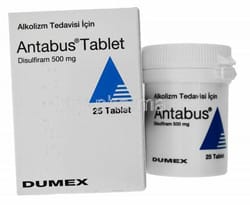
Order Antabuse Online Today for Fast Prescription Delivery
Mechanisms and Therapeutic Use of Disulfiram
The Biological Deterrent
Think of your body as a finely tuned machine. If someone were to dump sand into the gears, the whole system would grind to a halt. That is essentially what happens when disulfiram enters your bloodstream. It acts as a biological roadblock, specifically targeting the enzymes responsible for breaking down ethanol. This turns a standard drink into a physiological nightmare.
The misery lies in the inhibition of the enzyme acetaldehyde dehydrogenase. Normally, your body processes alcohol into acetaldehyde and then quickly into harmless acetic acid. Disulfiram slams the brakes on that final step. This causes acetaldehyde to build up in the system, reaching toxic levels almost immediately after ingestion.
When levels spike, the “disulfiram reaction” kicks in. It is not a subtle nudge; it is a full-blown systemic alarm. Patients often report a sudden, violent sensation of heat, nausea, and a racing heart. It is a chemical way of saying, “Stop right here,” making the act of drinking feel physically repulsive rather than pleasurable.
This mechanism is a double-edged sword. While it provides a powerful deterrent, it requires absolute commitment from the patient. If they “cheat” on the medication by drinking, the symptoms can be quite harrowing. It is less like a gentle hand on the shoulder and more like a sudden, unexpected splash of ice water.
Clinical Applications and Protocols
Doctors don’t hand this out like candy; it is a heavy-duty tool for heavy-duty problems. In the clinical setting, disulfiram is strictly reserved for individuals who have already expressed a genuine desire to quit. It is a secondary support system, meant to reinforce a psychological commitment rather than act as a primary cure.
The therapeutic goal is to create a strong association between alcohol and physical discomfort. By making the experience of drinking unpleasant, the brain begins to rewire its reward pathways. It is a game of psychological conditioning backed by rigorous biochemical interference, helping to maintain long-term abstinence in those struggling with chronic dependency.
Physicians must monitor patients closely during the initial phases of treatment. Because the drug lingers in the system for quite a while, the risk of an accidental reaction is high. It is a marathon, not a sprint, and the medical team acts as the referees to ensure the patient stays on the right track.
Treatment success often depends on the patient’s environment. It works best when the person is in a stable setting, free from the immediate pressures of their old social circles. Without that structural support, the drug is just a chemical barrier that can be bypassed through sheer willpower or lack of supervision.
Safety and Monitoring Factors
Safety is the name of the game when dealing with such a potent inhibitor. One cannot simply take a pill and go about their day without caution. If a person consumes even a tiny amount of alcohol, the reaction can become quite serious, potentially leading to cardiovascular complications or severe respiratory distress.
The following table outlines common symptoms encountered during a disulfiram reaction:
| Symptom Category | Common Manifestations |
| Cardiovascular | Tachycardia, palpitations, and flushing. |
| Gastrointestinal | Nausea, vomiting, and intense abdominal pain. |
| Neurological | Headache, dizziness, and confusion. |
| Respiratory | Shortness of breath or chest tightness. |
It is vital to remember that this medication is not a substitute for therapy. It is a biological deterrent that works best when paired with counseling. Think of it as the fence around a cliff; it keeps you from falling, but it doesn’t teach you how to walk on level ground.
Patients should be aware of the costs associated with long-term management. While a single prescription might range from $30 to $150 depending on the pharmacy, the cumulative cost of regular testing and doctor visits can add up. It is an investment in a new way of living, which is never a cheap endeavor.
- Regular blood work to monitor liver function.
- Strict avoidance of all alcohol-containing products.
- Continuous psychological support and counseling.
- Constant vigilance regarding “hidden” alcohol in products.
Standard Dosage Protocols and Administration
Prescribing Patterns and Titration
A doctor doesn’t just write a script and wish you luck; they craft a strategy. Dosage is rarely a “one size fits all” affair because every body processes the drug differently. Most clinicians start with a low dose to see how the patient reacts to the chemical shift in their system.
Typically, the standard starting dose is 25mg or 50mg once daily. This conservative approach is like testing the waters before diving into a deep pool. By starting small, physicians can mitigate the risk of severe adverse reactions while the body begins to adjust to the presence of the inhibitor.
As the patient stabilizes, the dose may be titrated upward. Many protocols eventually reach 125mg or 250mg per day, depending on the severity of the dependency. It is a delicate balancing act, ensuring there is enough medication to act as a deterrent without pushing the patient into toxic territory.
Consistency is the golden rule here. Missing a dose is like leaving a gate unlatched in a storm; the protection vanishes instantly. Patients must be taught to take the pill at the same time every single day to maintain a steady level of disulfiram in their bloodstream.
Administration Guidelines and Restrictions
Taking this medication is not a casual endeavor. You cannot simply pop a pill with a glass of wine to “take the edge off.” Even a tiny splash of vodka in a cocktail can trigger a violent reaction. It is a strict, zero-tolerance policy that requires total mental preparation.
The timing of the dose is critical. Most doctors suggest taking it in the morning to ensure it is fully active before the evening hours when cravings often strike. If a patient takes it too late, they might be riding a wave of nausea just as they are trying to sleep.
It is also important to watch out for “hidden” alcohol. Many things in a standard grocery store carry a sting of ethanol. From certain mouthwashes to hand sanitizers and even some cough syrups, the unexpected presence of alcohol can cause a sudden, terrifying systemic alarm.
Patients should always keep their medication in a secure place. This isn’t just for their own safety, but to prevent accidental ingestion by others. It is a powerful chemical tool that demands respect and careful handling by everyone in the household environment.
Financial Considerations for Treatment
Managing long-term sobriety often comes with a significant price tag. Patients must weigh the cost of the medication against the long-term benefits of recovery. Below are some estimated monthly costs for various management approaches.
| Management Plan | Estimated Monthly Cost | Primary Focus |
| Basic Prescription | $45 | Medication only |
| Monitoring Plan | $120 | Meds + Lab tests |
| Comprehensive Care | $450 | Meds + Therapy |
| Intensive Program | $1,200 | In-patient support |
Compliance and Lifestyle Integration
Success is rarely about the pill alone; it is about the life built around it. A patient must integrate this regimen into a new way of living. This means changing social habits, finding new hobbies, and perhaps even avoiding certain places entirely to stay safe.
Communication with your medical team is the lifeline of this process. If you feel a sudden spike in heart rate or a strange headache, do not ignore it. It is better to call the clinic early than to wait until a full-blown crisis occurs in the middle of the night.
Think of the medication as a safety net under a tightrope walker. It provides the security needed to perform the difficult task of sobriety, but the walker still has to do the hard work of staying balanced. Without that effort, even the strongest net can be bypassed.
Ultimately, the goal is to move from chemical deterrence to psychological freedom. The drug buys you time—time to heal, time to reflect, and time to rebuild. Use that time wisely to ensure the biological barrier becomes a bridge to a healthier life.
Antabuse Cost and Pricing in USD
Navigating the financial landscape of addiction recovery can feel like walking through a minefield. When you add the price of specific medications into the mix, the numbers can quickly become overwhelming. It is vital to understand that the sticker price of a single pill is rarely the final sum you will pay.
The cost of a prescription depends heavily on several shifting variables. You might find that your insurance provider treats this as a specialty drug, which changes the math entirely. Some people find relief through generic versions, while others require the brand-name strength to stay on the straight and narrow.
It is a bit like buying insurance for a car; you hope you never have to use the full extent of the coverage, but you have to pay the premiums regardless. Budgeting for your sobriety means looking at the monthly pharmacy bill alongside the costs of doctor visits and blood work.
To give you a clearer picture, let’s break down the typical price ranges you might encounter at the local pharmacy counter. These figures are estimates, as every individual’s situation is a unique snowflake in the eyes of the healthcare system.
Pharmacy and Insurance Variables
If you walk into a pharmacy without insurance, prepare to pay the full retail price. This can be a bitter pill to swallow, especially when you are already dealing with the heavy emotional toll of recovery. Many patients find that the out-of-pocket cost for a thirty-day supply can be quite steep.
However, if you have a robust insurance plan, the landscape changes. You might only be responsible for a small copay, or perhaps a percentage of the total cost through coinsurance. Always check with your provider first to avoid any nasty surprises when you hand over your insurance card.
Generic disulfiram is often the most economical route for those watching their pennies. It works just as well as the brand name but usually comes with a much lighter price tag. It is a smart way to keep the momentum of your treatment going without breaking the bank.
Don’t forget about manufacturer coupons or patient assistance programs. Many pharmaceutical companies offer programs for those who find themselves in a tight spot financially. It is worth a few phone calls to see if there is any help available to keep your treatment affordable.
Estimated Out-of-Pocket Expenses
Understanding the math is essential for long-term planning. You need to know if your budget can sustain the treatment for months or even years. Below is a rough breakdown of what you might see for different prescription strengths and quantities in the current market.
| Quantity & Strength | Estimated Retail Price | Typical Copay Range |
| 30-Day Supply (25mg) | $60 – $90 | $5 – $20 |
| 30-Day Supply (50mg) | $85 – $130 | $10 – $25 |
| 30-Day Supply (125mg) | $150 – $250 | $30 – $60 |
| 30-Day Supply (250mg) | $200 – $350 | $50 – $90 |
Keep in mind that these numbers are just a starting point. Factors like your geographic location and the specific pharmacy chain can cause these prices to dance around quite a bit. It never hurts to call around and compare a few different shops before making a final decision.
Procurement and Pharmacy Logistics
Securing a consistent supply of disulfiram is not always as simple as picking up a loaf of bread on your way home. It requires a coordinated effort between your prescribing physician, your insurance carrier, and the pharmacist. If one link in this chain breaks, your daily regimen could face a sudden, unwelcome interruption.
Many patients find themselves caught in a bureaucratic tug-of-war between their doctor and the insurance company. A doctor might insist on a specific brand to ensure patient compliance, while the insurer might demand a “step therapy” approach. This means you may have to prove that generic alternatives failed before they agree to cover the brand-name version.
Timing is everything when it comes to managing your refills. You don’t want to find yourself staring at an empty pill bottle on a Friday evening when the pharmacy is closed. Building a buffer of a few extra days can be a lifesaver, ensuring that your physiological defense remains constant and uninterrupted.
It is helpful to think of your pharmacy as a partner in your recovery journey. They handle the heavy lifting of communicating with your insurance and managing the paperwork. Being proactive with your pharmacist can prevent many headaches before they even begin to manifest.
Navigating the Supply Chain
Getting your prescription filled often involves more than just a quick transaction at the counter. Because disulfiram is a controlled substance in some clinical settings or subject to strict monitoring, there are layers of verification involved. This ensures the medication is being used safely and as intended by the healthcare provider.
Sometimes, a local pharmacy might run into a sudden shortage of a specific dosage. This is a major headache for anyone relying on a rigid schedule. If you encounter a “stock out,” ask the pharmacist to check the inventory of nearby branches or suggest an alternative delivery method through a mail-order service.
Mail-order pharmacies can be a double-edged sword for some. On one hand, they offer the convenience of having your medication delivered right to your doorstep. On the other hand, you lose the ability to have a quick, face-to-face conversation with a pharmacist if you have sudden questions.
If you choose the mail-order route, keep a close eye on the delivery schedule. A delayed package can mean a gap in your medication, which is a risk you simply cannot afford. It is often better to have your first few months filled locally while you get the rhythm down.
Managing Refills and Continuity
Maintaining the continuity of care is the cornerstone of successful long-term treatment. You should never let your prescription lapse due to a simple oversight. Many modern pharmacies offer automated text reminders, which can be a godsend for anyone navigating the complexities of a busy, rebuilding life.
I once spoke with a man who almost fell off the wagon because he forgot to call for a refill until his last pill was gone. He had to wait three days for a new authorization. It was a terrifying close call that taught him the importance of a strict management system.
To avoid these pitfalls, consider these logistical best practices:
- Set a recurring alarm on your phone for five days before your medication runs out.
- Request your refills early to account for unexpected insurance delays.
- Keep a digital or physical log of every prescription refill and any changes in dosage.
- Confirm that your pharmacy has your most current insurance information on file.
Remember, the goal is to make the medication part of your routine, much like brushing your teeth. The more seamless the logistics become, the more mental energy you can devote to the actual work of staying sober. Don’t let a paperwork error derail your progress.
Comparative Analysis of Alcohol Aversion Therapies
Deciding on a path toward sobriety often feels like standing at a massive crossroads with no clear signage. While Antabuse, or disulfiram, is a heavyweight in the ring, it is far from the only contender. Patients must weigh the physiological “punishment” of aversion therapy against other methods that focus on brain chemistry or behavioral shifts.
Some people find the idea of a physical reaction quite daunting. It is a blunt instrument, to say the least. For others, the thought of a slow-acting chemical stabilizer feels more like a gentle nudge than a heavy hand. Finding the right fit is a deeply personal journey that requires honest reflection on one’s own triggers.
Comparing these options isn’t just about looking at a list of side effects. It is about understanding how each one interacts with your lifestyle and your specific type of addiction. Some therapies demand a high level of supervision, while others allow for a bit more breathing room during your daily activities.
It is essential to remember that these treatments are rarely “one size fits all.” What works for your neighbor might be a total disaster for you. The goal is to find a tool that supports your willpower rather than acting as a constant source of anxiety or stress in your life.
Pharmacological vs. Behavioral Approaches
On one hand, you have the heavy hitters like disulfiram, which work by creating a physical barrier. If you drink, you get sick. It is a high-stakes game of “don’t touch the forbidden fruit.” This method relies heavily on the fear of a reaction to prevent a slip.
On the other hand, medications like naltrexone work differently by dulling the “reward” or the “high” associated with drinking. Instead of punishing you for drinking, it simply makes the drink less satisfying. It’s like trying to eat a piece of fruit that has lost all its flavor and sweetness.
Then there is the behavioral side of the coin. This doesn’t involve a pill at all but focuses on rewiring the brain through therapy and counseling. While it lacks the immediate chemical deterrent of Antabuse, many argue it provides the most sustainable long-term defense against the urge to drink.
When you look at them side-by-side, the choice often comes down to your level of immediate risk. If you are in a high-risk environment where a single sip could lead to a total relapse, a strong aversion agent might be the anchor you need to stay steady.
Comparing Treatment Modalities
To help visualize the differences, consider how these treatments impact your daily routine and the financial commitment required. Each has its own set of pros and cons that a physician will weigh carefully. No single option is a magic wand that fixes everything overnight without effort.
| Therapy Type | Primary Mechanism | Estimated Monthly Cost | Supervision Level |
| Disulfiram (Antabuse) | Aversion/Physical Reaction | $40 – $120 | High |
| Naltrexone | Reward Reduction | $30 – $100 | Moderate |
| Acamprosate | Craving Reduction | $20 – $80 | Low |
Disulfiram stands out for its intensity. It is a “hard” deterrent that requires strict adherence to avoid accidental reactions. Because the stakes are so high, doctors often want to see you more frequently to ensure you aren’t secretly consuming alcohol behind their backs.
Naltrexone and Acamprosate are often seen as “softer” options. They don’t cause the violent sickness associated with Antabuse, which can make them easier for some people to stick with long-term. However, they may not be powerful enough to stop someone who is determined to bypass the chemical blockade.
The Role of Integrated Care
Many experts argue that medication is just one piece of a much larger puzzle. Relying solely on a pill can be like trying to hold back a flood with a single wooden plank. It might work for a moment, but eventually, you need more robust structural support.
A truly effective strategy often combines medication with counseling and support groups. This “holistic” approach addresses both the physical cravings and the underlying emotional reasons why you reached for a drink in the first place. It attacks the problem from multiple angles at once.
I remember a patient who swore by Antabuse but still struggled with intense cravings. The medication stopped him from getting sick, but it didn’t stop him from *wanting* to drink. He eventually found success when he paired his prescription with intensive cognitive behavioral therapy sessions.
Ultimately, the best therapy is the one you can actually maintain. If a treatment makes you feel too sick or too stressed to live your life, you won’t stay on it. The most successful path is usually a combination of chemical support and mental resilience.
Safety Protocols and Risk Mitigation
Managing the Disulfiram Reaction
Taking Antabuse is like walking a tightrope over a pit of fire. There is no room for a single misstep because even a tiny, accidental drop of alcohol in your system can trigger a massive physical backlash. You might experience a sudden, pounding headache, heart palpitations, or intense nausea that feels like a violent storm hitting your body.
Because the reaction is so sudden, you must treat every beverage with extreme suspicion. “I’ll just have one sip” is a dangerous lie that leads to a medical emergency. You must read every label carefully, searching for hidden ingredients like ethanol or certain flavorings that might trigger a reaction without you even realizing you’ve consumed it.
If you do feel the onset of symptoms, do not panic, but do act quickly. While most reactions will subside as the drug leaves your system, the discomfort can be overwhelming. It is vital to have a plan in place, perhaps a designated person who knows your situation and can assist you if you feel physically unwell.
You should never attempt to “flush” the medication out of your system by drinking massive amounts of water or attempting to induce vomiting without medical guidance. The chemical interaction is already in motion. Your primary goal should be seeking professional medical advice if the symptoms feel unmanageable or if you experience severe chest pain.
Daily Monitoring and Lifestyle Adjustments
Living with this medication requires a complete overhaul of your daily habits and social interactions. You can’t just go to a wedding or a holiday dinner without a rock-solid strategy for avoiding alcohol. It becomes a constant mental exercise in vigilance, where you must always be the most observant person in the room.
Many people find it helpful to carry a “safety kit” or keep a list of forbidden ingredients on their phone. You might find yourself checking the ingredients of mouthwashes, cough syrups, or even certain eye drops. It sounds paranoid, but in the world of disulfiram, being a little bit paranoid is actually a vital survival skill.
Your relationship with others will also need a bit of a tune-up. You will need to be incredibly honest with your inner circle about the risks involved. If they don’t understand the severity, they might accidentally offer you a drink or a dessert that contains alcohol, which could turn a celebration into a medical crisis.
Regular check-ins with your healthcare provider are not just a suggestion; they are a fundamental part of the protocol. Your doctor will likely want to monitor your liver function and overall health through routine blood work. This ensures that the medication isn’t causing silent damage while it works its heavy-duty magic on your cravings.
Emergency Preparedness and Costs
When things go wrong, time is of the essence. You should always have an emergency plan that includes your doctor’s direct line and the location of the nearest hospital. Knowing exactly what to tell an ER nurse—specifically that you are taking disulfiram—can save precious minutes during a severe reaction.
It is also wise to keep a small fund set aside for unexpected medical visits or urgent care consultations. While the medication itself might cost between $40 and $120 per month, the cost of an emergency room visit can skyrocket. Being financially prepared for a medical hiccup reduces the stress of the situation.
Consider this table a quick reference for managing your safety and potential expenses during your treatment journey:
| Risk Factor | Action Required | Potential Cost |
| Accidental Ingestion | Seek Medical Attention | $150 – $1,000+ |
| Routine Blood Work | Scheduled Lab Visits | $50 – $200 |
| Emergency Room Visit | Immediate Hospitalization | $500 – $3,000+ |
Ultimately, safety is about layers of protection. You have the chemical layer, the behavioral layer, and the medical supervision layer. If any one of these layers fails, the others are there to catch you. It is a rigorous way to live, but for many, the safety it provides is worth the extra effort.
