
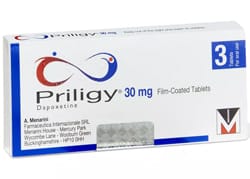
Buy Priligy Online: Best Prices and Fast Delivery Today
Navigating the Priligy Prescription Landscape
Walking into a doctor’s office to discuss sexual health often feels like stepping into a minefield of awkward silences. You might sit there fidgeting with your sleeves, wondering if you should just bite the bullet and speak up. It is a heavy conversation, but getting a handle on the legalities is the first step toward relief.
Priligy, known generically as daraprim, isn’t something you can simply pick up off a drugstore shelf like a box of aspirin. It is a prescription-only medication that requires a physician’s oversight. This isn’t just red tape for the sake of it; it is a safety net designed to catch potential side effects before they bite back.
The process of obtaining this medication involves several layers of scrutiny. Your doctor will likely run a battery of tests to ensure your body can handle the treatment. They aren’t just checking your symptoms; they are looking at your blood work and your overall metabolic health to ensure a smooth recovery process.
Once the script is written, the path splits into different avenues. Some patients prefer the traditional route of local pharmacies, while others look toward specialized online platforms. Each path has its own set of rules, costs, and delivery timelines that can significantly impact your overall experience with the medication.
The Cost of Care and Access
Money is often the elephant in the room when discussing specialized medications. Because Priligy is a niche treatment, the pricing can fluctuate wildly depending on where you live and how your insurance company feels that day. It is wise to prepare your wallet for some unexpected bumps in the road.
Insurance coverage is a bit of a mixed bag. Some comprehensive plans might cover the cost, while others treat it as a non-essential luxury. You should always call your provider beforehand to avoid a massive surprise when the bill arrives. It is better to be safe than sorry when navigating these waters.
For those navigating the market without premium insurance, the price tags can be quite steep. Below is a rough estimate of what you might encounter when looking at various procurement methods in the current market. Keep in mind these are just ballpark figures to help you plan your budget.
| Procurement Method | Estimated Cost (Per Month) |
| Local Retail Pharmacy | $450 – $800 |
| Specialized Online Clinic | $300 – $550 |
| Generic Equivalent (Direct) | $150 – $300 |
If you find yourself staring at a high price tag, do not lose heart just yet. Many manufacturers offer patient assistance programs that can act as a lifeline. These programs are designed to help those who might otherwise be priced out of the essential care they desperately need.
Navigating the Consultation Process
The consultation is the gateway to your treatment. It is not just a formality; it is a deep dive into your medical history. Your healthcare provider will act as a navigator, guiding you through the complexities of dosage and timing. They need to know everything, even the small details.
During this phase, you might undergo several different types of evaluations. It is a bit like a pre-flight checklist for a pilot. You wouldn’t want to take off without checking the engines, and you shouldn’t start this medication without a thorough medical clearance from a professional.
To make the process as painless as possible, consider preparing a list of questions beforehand. You might want to ask about:
- The frequency of necessary blood tests.
- Potential interactions with your current vitamins or supplements.
- The best time of day to take your prescribed dose.
- What to do if you miss a scheduled dose by a few hours.
Remember, you are the captain of your own health journey. If a doctor’s explanation feels like Greek to you, stop them. Ask them to explain it in plain English. A good provider will never make you feel small for asking for clarity on your own treatment plan.
Standard Dosage Protocols and Timing
Taking medication is a bit like tuning a high-performance engine; you cannot simply throw fuel at it and hope for the best. With Priligy, the timing and amount are everything. A dose that is too low might fail to hold back the infection, while too much can cause your system to revolt against the treatment.
Doctors generally tailor the regimen to your specific body weight and the severity of the infection being targeted. It is not a “one size fits all” situation. Because the drug has a narrow therapeutic index, your physician will likely start you on a cautious path to see how your organs react before escalating.
Consistency is your best friend in this process. Missing a dose is like skipping a beat in a crucial song; it can throw the whole rhythm off. Most patients find success by tying their pill-taking to a daily habit, such as brushing their teeth or eating breakfast, to ensure they never miss a beat.
The Role of Weight and Frequency
The math behind your dosage is quite specific. Physicians often calculate the milligram amount based on your body mass to ensure the concentration in your bloodstream stays in the “sweet spot.” This prevents the drug from becoming ineffective or, conversely, becoming toxic to your bone marrow or liver.
Timing often depends on whether the medication is being used for acute treatment or long-term prevention. For an active infection, you might find yourself taking it more frequently to stay ahead of the bug. If it is for prophylaxis, the schedule might be much more relaxed and predictable over several months.
It is also vital to consider how you take the pills in relation to your meals. Some find that taking it with food helps settle a churning stomach, while others find that an empty stomach allows for faster absorption. Always follow the specific instructions provided by your doctor to avoid these hiccups.
To help you visualize how different treatment durations might impact your wallet, please review the following cost estimates for various prescription lengths:
| Treatment Duration | Typical Dose Count | Estimated Total Cost |
| Short-term Acute | 15-30 Tablets | $450 – $900 |
| Standard Course | 60-90 Tablets | $1,200 – $2,500 |
| Long-term Maintenance | 180+ Tablets | $3,500 – $6,000 |
Monitoring and Adjustments
You shouldn’t just take the pills and walk away. Regular blood work is the compass that keeps your treatment on course. Your doctor will want to keep a close eye on your platelet counts and kidney function, as these are the primary areas where the medication can cause a stir.
If you feel a sudden change in your physical state, do not wait for your next scheduled appointment. If you notice unusual bruising, a sudden fever, or extreme fatigue, reach out to your medical team immediately. It is much easier to adjust a course of treatment early than to fix a crisis later.
Sometimes, your doctor might decide to pivot. This is not a sign of failure, but rather a sign that they are listening to your body’s unique feedback. They might lower the dose or change the frequency to find that perfect balance that keeps the infection at bay without causing side effects.
Price Breakdown and Cost Factors
Navigating the financial side of specialty medications can feel like walking through a thick fog without a flashlight. Priligy is not a common over-the-counter remedy you pick up at a local corner store. Because it is a specialized treatment, the price tag can jump around quite a bit depending on several moving parts in the healthcare machine.
You might find that one pharmacy quotes you a significantly higher price than the one just down the street. This isn’t necessarily a mistake; it is simply how the system operates. Factors like your specific insurance coverage, your deductible status, and even the pharmacy’s own markup play a massive role in your final out-of-pocket expense.
I once spoke with a patient who was blindsided by a massive bill for a single month’s supply. He thought his insurance would cover the lion’s share, but because it was a specialty drug, it fell into a different tier. It is a tough pill to swallow, both literally and figuratively, so always verify your coverage first.
Insurance and Tiered Coverage
Insurance companies love to play a game of musical chairs with their drug formularies. Priligy often sits in a “specialty tier,” which is the most expensive category. This means you might be required to pay a larger percentage of the cost rather than a flat copay, which can lead to unexpected spikes in your monthly spending.
It is worth checking if your plan requires “prior authorization.” This is essentially the insurance company asking your doctor to prove that this specific medication is absolutely necessary for your health. Without this green light, the insurance company might refuse to pay a single cent, leaving you holding the entire bill by yourself.
If you find yourself struggling with the costs, do not lose heart just yet. Many manufacturers offer patient assistance programs designed specifically for those who find the price tag out of reach. These programs can sometimes act as a safety net, bridging the gap between what your insurance covers and what you can actually afford.
Pharmacy Choice and Discounts
Where you choose to pick up your prescription can make or break your monthly budget. Mail-order pharmacies often provide the most competitive pricing for long-term maintenance, as they deal in high volumes. It is often much cheaper to have your medication delivered directly to your doorstep than to pick it up at a local retail chain.
There are also various discount cards and coupons that circulate in the healthcare world. While they might not always work with your insurance, they can sometimes offer a better deal than your standard copay. Think of it as shopping around for the best possible deal on a high-end piece of electronics.
Always ask the pharmacist if there are any hidden savings or generic alternatives available, even if the doctor didn’t mention them. While Priligy itself is a brand-name drug, understanding the landscape of how similar medications are priced can help you have a much more informed conversation with your insurance provider.
To give you a clearer picture of how these variables can shift your total investment, consider these common cost-influencing factors:
- Insurance Deductibles: High deductibles mean you pay more out-of-pocket before insurance kicks in.
- Pharmacy Type: Retail pharmacies are often more expensive than mail-order services.
- Tier Status: Specialty tier placement usually results in much higher patient responsibility.
- Manufacturer Assistance: Programs that can significantly lower costs for eligible patients.
Sourcing Priligy Safely Online
The digital marketplace is a vast, swirling ocean, and trying to find a reliable source for Priligy can feel like navigating through a heavy storm. You might be tempted by a website that promises lightning-fast shipping and prices that seem almost too good to be true. However, in the world of online pharmaceuticals, if a deal looks like a steal, it might actually be a trap.
I have seen countless people fall victim to “ghost pharmacies” that vanish into thin air after the credit card is swiped. These rogue operators don’t just take your money; they might ship you counterfeit pills that contain nothing but chalk or, worse, dangerous impurities. It is better to be safe than sorry when your health is riding on the quality of your medication.
Finding a legitimate online pharmacy requires a bit of detective work and a healthy dose of skepticism. You shouldn’t just click the first link that pops up on a search engine. Instead, look for signs of legitimacy that distinguish a professional medical provider from a shady operation lurking in the shadows of the internet.
Verifying Pharmacy Credentials
The gold standard for online safety is checking for a valid pharmacy license. A reputable pharmacy will clearly display its physical address and contact information on its website. If the “Contact Us” page is empty or only features a generic web form, consider that a major red flag. You want a business that stands behind its service.
Look for the VIPPS (Verified Internet Pharmacy Practice Sites) seal or similar accreditation markers. These organizations vet online pharmacies to ensure they meet strict safety and quality standards. Think of it as looking for a seal of approval on a luxury item; it provides that extra layer of confidence that you are getting the real deal.
Always ensure the website uses “https” in the URL, which indicates a secure connection. This is vital for protecting your sensitive medical data and financial information from hackers. Without this encryption, you are essentially leaving your front door wide open to digital thieves while you sleep, which is a risk you simply cannot afford.
Red Flags to Avoid
Be extremely wary of any website that offers to sell you Priligy without requiring a valid prescription from a licensed doctor. In many regions, selling prescription-only medication without a script is illegal. If a site treats a serious medication like a bag of candy that anyone can grab, walk away immediately without looking back.
Price is a massive indicator of quality and legitimacy. If a pharmacy is offering a supply of Priligy for $20 when the market average is closer to $150, your alarm bells should be ringing loudly. You are not just paying for the chemical compound; you are paying for the rigorous testing and manufacturing standards that keep you safe.
The following table outlines common warning signs that a website might not be a safe place to shop:
| Warning Sign | What It Means |
| No Physical Address | The business may be a fake entity or a “shell.” |
| No Prescription Required | The site is operating illegally and selling unverified drugs. |
| Unrealistic Low Prices | Likely counterfeit or expired medication. |
| Only Accepts Cash/Crypto | Makes it impossible to dispute fraudulent charges. |
If you encounter these issues, do not be tempted to “take your chances.” It is far better to pay a slightly higher price at a verified, licensed pharmacy than to gamble your well-being on a shady discount. Your health is an investment, not a bargain bin opportunity, so treat your sourcing decisions with the seriousness they deserve.
Priligy vs. Alternative Delay Methods
Navigating the landscape of sexual wellness often feels like walking through a thick fog. You know there are many paths to your destination, but none are clearly marked. For many men, the decision to use Priligy involves weighing a highly targeted medical solution against a wide array of traditional, often less reliable, alternatives.
Some men prefer to take the “natural” route, turning to herbal supplements or topical creams to manage their timing. While these might seem less intimidating than a prescription, they often lack the precision required to make a real difference. It is like trying to put out a forest fire with a small spray bottle; the effort is there, but the impact is minimal.
Then there are the behavioral techniques, such as the “stop-start” method or the squeeze technique. These require significant patience and practice to master. While they are free of charge, they don’t offer the immediate, predictable results that a pharmacological intervention provides when you are in the heat of the moment.
Comparing Topicals and Supplements
Topical sprays and creams are a very common first line of defense. These products usually contain mild anesthetics like lidocaine or benzocaine. They work by temporarily numbing the sensitive skin of the penis. However, they can be a double-edged sword. If you apply too much, you might lose sensation entirely for both partners.
Supplements are another popular choice in the aisles of health stores. People often hunt for ingredients like ginseng or ashwagandha, hoping for a magical boost. Unfortunately, the science backing these claims is often thin at best. You might spend $40 on a bottle of pills that does nothing more than provide a placebo effect during your intimate encounters.
Priligy, by contrast, works on a neurological level. It targets the specific chemical messengers in your brain that signal climax. Instead of just numbing the surface, it adjusts the internal timing mechanism. This is a fundamental difference in how the body responds to the stimulus, moving from surface-level masking to actual physiological regulation.
When you look at the practical side, the choice becomes quite clear for many. You can choose between the messy application of a cream or the uncertainty of a supplement. Most men find that the convenience of a pill is worth the investment to avoid the awkwardness of numbing creams.
Evaluating the Practical Differences
Cost is always a major factor in this equation. While a bottle of topical spray might cost $15, the effectiveness is often hit-or-miss. You might find yourself buying three bottles before you see any real benefit. This “hidden cost” of trial and error can eventually surpass the price of a single, effective prescription.
The following comparison breaks down how these methods stack up against one another in real-world scenarios:
| Method | Primary Mechanism | Typical Cost | Predictability |
| Priligy | Neurological Regulation | $50 – $150 | High |
| Topical Sprays | Surface Numbing | $10 – $30 | Low to Moderate |
| Herbal Supplements | General Wellness | $25 – $60 | Very Low |
| Behavioral Methods | Physical Training | $0 | Variable |
If you are looking for a “quick fix,” be prepared for disappointment with most alternatives. Behavioral methods take weeks, if not months, of disciplined practice to yield results. They require a level of mental focus that is often difficult to maintain when you are trying to enjoy a romantic evening.
Ultimately, the “best” method depends entirely on your personal goals and lifestyle. If you want something that works with a predictable rhythm, Priligy is the heavy hitter. If you prefer a lifestyle-based approach and have nothing but time, behavioral changes might suit your journey better.
Potential Side Effects and Safety Precautions
Common Physical Reactions
When you introduce a new chemical messenger into your system, your body might throw a bit of a tantrum. Many users report mild nausea or a slight headache as the medication settles in. It is much like the feeling of getting on a boat for the first time; your internal compass needs a moment to adjust to the new rhythm.
Some men experience dizziness or a sense of lightheadedness shortly after taking the pill. This is often just your nervous system recalibrating its signals. While these sensations are typically fleeting, they can be a bit jarring if you aren’t expecting them. It is vital to avoid driving or operating heavy machinery until you know how you react.
Dizziness can sometimes feel like a sudden shift in perspective. If you feel a bit woozy, sit down and take a moment to breathe. Most of these side effects are transient and disappear as the drug leaves your system. If they persist or become severe, you should definitely reach out to a medical professional immediately.
Other minor issues might include a dry mouth or a slight upset stomach. These are generally considered the “price of admission” for the benefits the medication provides. Most men find that drinking plenty of water helps mitigate these discomforts. It is always better to be safe and monitor your body’s unique responses.
Medical Contraindications and Risks
Not everyone is a perfect candidate for this treatment. If you have a history of certain neurological conditions, Priligy might be a bridge too far. Because it works by modulating serotonin levels, your brain’s delicate chemistry must be carefully considered before you start a regimen. You wouldn’t drive a race car without checking the brakes first.
Men taking antidepressants, specifically SSRIs, must proceed with extreme caution. Mixing these medications can lead to a serious condition known as serotonin syndrome. This is a rare but potentially life-threatening situation where serotonin levels become dangerously high in the brain. It is a heavy price to pay for a temporary fix.
The interaction between medications can be a complex dance of chemistry. Your doctor needs to know every single pill, supplement, or vitamin you are currently taking. Even something as simple as an over-the-counter herbal remedy can throw a wrench into the works. Transparency with your healthcare provider is your best line of defense.
Furthermore, individuals with significant liver or kidney issues should be wary. Since these organs are responsible for processing and clearing the medication, any impairment can lead to higher concentrations in your bloodstream. It is like a highway with a sudden bottleneck; the traffic—or in this case, the medicine—can back up dangerously.
Safety Guidelines and Best Practices
To get the most out of your experience, timing is everything. You shouldn’t just pop a pill whenever you feel like it; it requires a bit of strategic planning. Most experts suggest taking it about one to three hours before you plan to be intimate. This allows the peak concentration to hit when you need it most.
Safety also means being mindful of your alcohol consumption. Mixing Priligy with alcohol can amplify the sedative effects, making you feel much more impaired than usual. It is like adding fuel to a fire; the combination can lead to unexpected levels of drowsiness or dizziness that could ruin the mood entirely.
Always remember to follow the dosage prescribed by your doctor to the letter. It is tempting to think that more might mean better results, but that is a dangerous gamble. Taking more than the recommended amount increases the risk of side effects without necessarily improving the outcome. Consistency is the key to success.
Keep a small log of how you feel after each use. This simple habit can be a lifesaver when you go back to your doctor for a follow-up. Knowing whether a headache occurred thirty minutes or three hours after ingestion provides invaluable data for adjusting your treatment plan effectively.
- Consult a doctor before starting if you have existing neurological issues.
- Avoid heavy machinery if you experience any dizziness or lightheadedness.
- Check for interactions if you are currently taking any prescription antidepressants.
- Monitor your intake of alcohol to prevent excessive sedation.
- Stick to the dose provided by your physician to avoid toxicity.
