
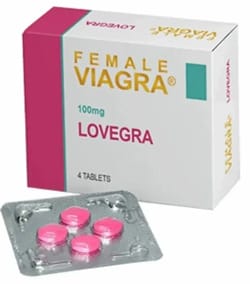
Buy Female Viagra Online: Compare Best Prices and Fast Shipping
Current Market Pricing and Dosage Options
The Price of Intimacy
Walking through a pharmacy aisle can feel like stepping into a minefield of unpredictable costs. Specialized treatments for female sexual dysfunction don’t follow a standard retail script. Most options require a doctor’s order under strict clinical guidelines. You won’t find them sitting on a shelf next to the aspirin. Instead, you are looking at a customized medical expense.
For those seeking FDA-approved hormonal therapies, the financial commitment can be quite steep. Monthly prescriptions often range from $50 to $250 depending on your insurance coverage. It is a bitter pill to swallow when you realize that the cost of reclaiming your desire is often tied directly to your provider’s specific brand.
Some patients find relief through compounded medications, which offer a different financial profile. These custom-mixed formulas can vary wildly. A single month’s supply might cost $150, while other specialized regimens could climb much higher. It is like shopping at a high-end boutique versus a local market; the price fluctuates based on the ingredients.
Insurance companies often play a game of cat and mouse with these claims. You might find yourself stuck in a loop of “prior authorizations” that feels like a marathon. Always check your specific plan. Many insurers view these medications as “lifestyle drugs” rather than medical necessities, leaving you to foot the bill entirely.
Dosage Variations and Delivery Methods
When it comes to how you take these medications, the delivery method is just as vital as the milligram count. There is no one-size-fits-all approach here. Doctors often tailor the dose to your specific physiological response, ensuring the treatment hits the mark without causing unnecessary side effects.
Commonly, you will encounter three primary formats in the current market:
- Oral Tablets: The most traditional route, often taken once daily or as needed.
- Vaginal Creams: Localized treatments designed to increase blood flow to specific areas.
- Sublingual Strips: Thin films that dissolve under the tongue for faster absorption.
The “dosage dance” can be tricky for beginners. Some women find that a low dose is enough to tip the scales, while others require a higher concentration to see any real change. It is not uncommon for a physician to suggest a “step-up” approach, starting small to see how your body reacts to the chemistry.
Timing is everything when you are managing these doses. Taking a pill at noon might yield different results than taking it in the evening. It’s a bit like seasoning a dish; too little and you won’t taste anything, but too much can ruin the entire experience. Always follow your doctor’s rhythm to the letter.
Comparative Cost Breakdown
To help you wrap your head around the numbers, I have put together a quick snapshot of what you might encounter. Keep in mind, these figures are estimates and can shift like sand depending on your location and the pharmacy you choose to visit.
| Medication Type | Typical Dosage | Estimated Monthly Cost |
| Hormonal Therapy | 1mg – 2mg | $120 – $300 |
| Topical Creams | 5% Concentration | $60 – $150 |
| Compounded Options | Customized | $150 – $400+ |
It is worth noting that generic versions of certain older treatments can be a real lifesaver for your wallet. If your doctor can prescribe a generic equivalent, you might find your monthly spending drop by nearly half. It is a small victory, but in the world of healthcare, every penny counts.
Don’t be afraid to haggle with the pharmacy or ask about manufacturer coupons. Many people leave money on the table simply because they are too shy to ask. Treat this like any other major purchase; do your homework, compare the fine print, and don’t settle for the first price you see.
Where to Buy Authentic Treatments Safely
Navigating the world of online pharmacies can feel like walking through a fog. You want results, but you don’t want a package arriving at your doorstep containing nothing but chalk or dangerous, unverified chemicals. It is a high-stakes gamble that can leave you feeling more frustrated than when you started.
The first rule of thumb is to stick to the “bright lights.” This means looking for reputable, licensed pharmacies that operate within the legal frameworks of your specific region. If a website looks like it was designed in 1998 and offers “miracle cures” for half the price, run the other way. Those shady corners of the internet are often selling counterfeit goods.
Always verify the credentials of your online provider before you even think about hitting that “checkout” button. Look for symbols like the VIPPS (Verified Internet Pharmacy Practice Sites) seal, which serves as a badge of legitimacy. It’s your primary shield against the wolves lurking in the digital wilderness of unregulated medicine.
Telehealth platforms have changed the game, making it much easier to connect with specialists from the comfort of your couch. These services often bridge the gap between a doctor’s visit and a local pharmacy. They provide a structured, legal pathway to obtaining a legitimate prescription, ensuring that what you swallow is exactly what the label claims.
Verifying Online Pharmacy Legitimacy
Don’t let a sleek, professional-looking website fool you into a false sense of security. Some of the most dangerous counterfeiters spend a fortune on web design to mimic high-end medical providers. They want to look like a trusted friend, but their products are often nothing more than expensive placebos or worse.
A major red flag is any provider that offers to sell you prescription-strength medication without requiring a consultation with a licensed physician. If they aren’t asking about your medical history or your current medications, they aren’t practicing medicine; they are essentially running a digital flea market. This lack of oversight is a massive liability for your health.
Check the reviews, but take them with a grain of salt. While a handful of glowing testimonials can be encouraging, look for patterns in the negative feedback. If multiple users complain about receiving the wrong dosage or experiencing unexpected side effects, listen to them. Those voices are often the most honest indicators of a provider’s reliability.
Lastly, ensure the pharmacy actually ships from within your country if possible. International shipping can lead to your package being intercepted by customs, or worse, being delayed long enough for the medication to degrade. It is much better to play it safe and use a domestic service that follows strict cold-chain protocols for sensitive items.
Comparison of Procurement Options
Choosing how to acquire your treatment involves balancing convenience against cost and clinical oversight. Use the following data to weigh your options carefully before making a commitment to a specific provider or service model.
| Service Model | Primary Benefit | Estimated Start-up Cost |
| Traditional In-Person Pharmacy | Direct Physician Oversight | $50 – $150 |
| Licensed Telehealth Platform | Convenience & Digital Records | $75 – $200 |
| Compounding Specialty Pharmacy | Customized Formulations | $150 – $450 |
| Direct-to-Consumer Subscription | Predictable Monthly Billing | $40 – $120 |
Subscription models are becoming increasingly popular for those who need consistent, long-term management. These services often bundle the consultation fee with the medication itself, providing a predictable monthly cost. It can take the “sticker shock” out of your healthcare budgeting and ensure you never run out of your prescribed regimen.
However, be wary of the fine print in these subscription agreements. Some companies make it incredibly difficult to cancel, essentially trapping you in a cycle of automated payments. Read the terms and conditions like you would a legal contract; you want a service that offers flexibility, not a financial anchor around your neck.
Comparing Prescription vs. Natural Alternatives
The Clinical Pathway
Stepping into a doctor’s office to discuss sexual dysfunction can feel like walking into a lion’s den. Many women feel a sense of hesitation, wondering if their concerns are “serious” enough to warrant a medical intervention. Yet, prescription options like flibanserin or bremelanotide are designed to address the underlying neurochemical imbalances that often govern desire.
Think of prescription medication as a precision tool. It is a scalpel designed to target specific pathways in the brain to help recalibrate your body’s natural responses. Because these are regulated, you have the peace of mind that comes with knowing the exact dosage you are consuming every single time.
Of course, this precision comes with a certain level of baggage. Side effects can sometimes feel like a heavy price to pay for a solution. Some women report nausea or dizziness, which can certainly dampen the mood rather than enhance it. It is a delicate dance between clinical efficacy and personal comfort.
When you follow the prescription route, you aren’t just buying a pill; you are buying a safety net. A physician monitors your blood pressure and cardiovascular health to ensure your heart can handle the shift in neurochemistry. It is a controlled, scientific approach to reclaiming your intimacy and confidence.
The Herbal Landscape
On the other side of the fence, the world of natural supplements is a sprawling, wild jungle. You might see bottles of maca root, fenugreek, or tribulus terrestris lining the shelves of local boutiques. Many women gravitate toward these options because they feel “gentler” and more in tune with the body’s organic rhythms.
The allure of “nature’s cure” is incredibly strong, but it is often a double-edged sword. While some studies suggest these herbs might boost libido slightly, the results are often inconsistent at best. It can feel like trying to catch rain in a sieve—you might get a little, but you’ll never be certain of the volume.
The biggest headache with natural alternatives is the lack of strict regulation. Unlike prescription drugs, supplements don’t have to prove they are effective before they hit the market. You are essentially trusting the manufacturer’s word, which can be a risky gamble when your health and well-being are on the line.
I once spoke with a woman who spent nearly $200 on a “miracle” herbal stack that did absolutely nothing but give her a mild headache. She felt like she had wasted both her money and her hope. This is the danger of the unregulated market; it preys on the desperation of those seeking a quick fix.
Side-by-Side Comparison
If you are standing at a crossroads, it helps to see the landscape clearly. Comparing these two paths isn’t about finding a “winner,” but about finding what aligns with your specific biological needs and lifestyle. Some people prefer the directness of medicine, while others want to avoid synthetic compounds entirely.
Consider the following breakdown to help clarify the fundamental differences between these two distinct approaches to sexual wellness. This table highlights the practical realities of both paths.
| Feature | Prescription Options | Natural Supplements |
| Regulation | FDA/Strict Oversight | Minimal Oversight |
| Efficacy | Clinically Proven | Variable/Anecdotal |
| Cost Range | $50 – $400 | $20 – $80 |
| Side Effects | Specific/Documented | Unpredictable |
When looking at the costs, don’t be fooled by the low price tag of a $25 bottle of herbs. If those supplements fail to deliver results, you’ve essentially thrown that money into the wind. Sometimes, paying a higher upfront cost for a proven prescription is actually the more economical choice in the long run.
Ultimately, the decision often boils down to how much risk you are willing to tolerate. Do you want the certainty of a clinical study, or the organic potential of a botanical remedy? Listen to your body and, most importantly, consult with a healthcare professional before making any radical changes.
Managing Your Wellness Budget and Subscriptions
Navigating the Monthly Cost of Care
Money is often the elephant in the room when discussing intimacy. It is difficult to focus on your personal needs when you are staring down a hefty monthly invoice. For many women, the financial commitment to maintaining a consistent wellness routine can feel like a second mortgage on their peace of mind.
If you choose the clinical route, your costs will fluctuate based on your insurance coverage. A single prescription might cost $40, but if you are paying out-of-pocket for a specialized consultation, that number can skyrocket. It is vital to ask your provider for a detailed breakdown of all potential fees before you commit.
On the other hand, the supplement industry is a master of the “subscription trap.” You might see a tempting offer for a $15 trial bottle, only to find yourself locked into a $60 monthly shipment. Always read the fine print to ensure you aren’t signing away your hard-earned cash for a product that doesn’t work.
I remember a friend who was so overwhelmed by auto-shipments for a libido booster that she spent $300 in a single quarter on bottles she didn’t even need. She felt like she was being bled dry by a company that simply didn’t care. Being proactive about your billing is just as important as being proactive about your health.
Strategies for Smart Spending
Managing your budget doesn’t mean you have to settle for subpar options. It is more about being a savvy consumer in a market designed to exploit your desires. You can find ways to stabilize your spending so that wellness becomes a sustainable part of your life rather than a financial burden.
First, consider the “bulk buy” approach for supplements, but only if you have vetted the brand. Many high-quality botanical extracts are much cheaper when purchased in three-month supplies rather than individual monthly bottles. Just ensure the product has a long shelf life so you aren’t throwing money in the trash.
For prescription medications, many insurance companies offer generic versions that can drop your cost from $150 down to $15. Ask your doctor, “Is there a generic equivalent available?” It is a simple question that can save you thousands of dollars over the course of a single year. Never pay full price without asking.
You might also look into wellness stipends offered by some modern employers. Many companies now provide a certain amount of credit for mental health or physical wellness services. If your benefits include this, you might be able to cover your consultation fees entirely, making your path to wellness much more affordable.
- Check if your insurance covers “specialty pharmacy” prescriptions.
- Look for “cancel anytime” policies on all supplement subscriptions.
- Use price-comparison tools for branded medications.
- Request a “cash price” from pharmacies to see if it beats your co-pay.
Tracking Your Investment
It is easy to lose track of where every dollar is going when you are managing multiple health goals. Between gym memberships, organic groceries, and wellness products, the costs can add up like a slow-moving landslide. You need a system to monitor whether your spending is actually yielding any real-world results.
I suggest keeping a simple log of both your expenses and your perceived benefits. If you are spending $80 every month on a specific herbal blend, you should be seeing a measurable change in your energy or desire. If the needle isn’t moving after three months, it is time to cut your losses.
Think of your wellness budget as a garden. You have to prune the things that aren’t growing and pour your resources into what actually flourishes. If a certain supplement is a dud, stop the subscription immediately. There is no shame in pivoting your strategy to save both your money and your time.
Ultimately, your financial stability is a cornerstone of your overall well-being. Stressing over a $50 charge can actually decrease the very libido you are trying to enhance. Aim for a balance where your self-care feels like an investment in your joy, not a source of constant anxiety.
