
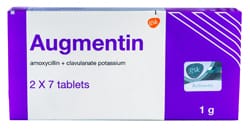
Buy Augmentin Online: Best Prices and Fast Shipping
How Augmentin Works Against Bacterial Infections
Imagine a bacterial cell as a sturdy brick house. To stay upright, this house needs a strong outer wall to keep its internal contents from leaking out. Amoxicillin, the main ingredient in Augmentin, acts like a specialized demolition crew. It targets the enzymes responsible for building these vital cell walls, causing the structure to crumble under its own weight.
Bacteria are clever survivors, though. They often deploy a “bodyguard” enzyme known as beta-lactamase. This microscopic defender intercepts the antibiotic, breaking it down before it can even touch the cell wall. It is a classic game of cat and mouse. Without a way to bypass this defense, Amoxicillin would be as useless as a paper shield against a cannonball.
This is where Clavulanate potassium enters the fray. It doesn’t kill bacteria directly. Instead, it acts as a sacrificial decoy. It binds to and neutralizes those pesky beta-lactamase enzymes, essentially knocking the bodyguards out of the ring. This clever trick ensures the Amoxicillin can finish its job without being intercepted or destroyed mid-battle.
The Double-Edged Mechanism
The synergy between these two ingredients is a biological masterpiece. By neutralizing resistance mechanisms, the medication restores the potency of the antibiotic. It’s like removing a heavy cloak from a warrior, allowing them to move with lethal precision. This dual action is why Augmentin remains a cornerstone in modern clinical prescriptions.
When the drug reaches the site of infection, the battleground is chaotic. The Clavulanate absorbs the brunt of the enzymatic attack. Meanwhile, the Amoxicillin moves in to disrupt the cross-linking of the peptidoglycan layer. Without this structural integrity, the bacterium cannot maintain its internal osmotic pressure. Eventually, the cell bursts, and the infection begins to recede.
Doctors often see this process working swiftly against common culprits like Staphylococcus aureus. Because the drug addresses the resistance issue head-on, it can tackle strains that would otherwise shrug off standard penicillin. It is a targeted strike designed to minimize the window of opportunity for the bacteria to multiply and spread further.
Understanding this interaction helps explain why finishing a full course is vital. Even if you feel better, some stubborn bacteria might still be lurking. If you stop too early, you might leave behind the strongest survivors. These survivors can learn the trick, potentially leading to even more resistant strains in the future. It’s a high-stakes biological chess match.
| Component | Primary Role | Biological Target |
| Amoxicillin | Antibacterial Agent | Peptidoglycan Synthesis |
| Clavulanate | Beta-lactamase Inhibitor | Protective Enzymes |
While the medicine is highly effective, it is not a magic wand for everything. It specifically targets bacterial invaders. Using it for a viral cold is like bringing a sledgehammer to a ghost fight; it simply won’t have an effect. Always ensure your healthcare provider has confirmed the presence of a bacterial strain before starting treatment.
Standard Dosage Protocols and Administration
Navigating the specifics of a prescription can feel like trying to read a map in a storm. Doctors don’t just throw pills at a problem; they tailor the amount to the specific enemy they are fighting. The strength of the infection dictates whether you take a small dose or a more robust regimen to ensure total victory.
Timing is the secret sauce that makes this medication work. You shouldn’t wait until you’ve forgotten about your morning coffee to take your pills. Consistency is king when it comes to maintaining a steady level of the drug in your bloodstream, keeping the bacterial tide at bay throughout the entire twenty-four-hour cycle.
Many patients find that taking the medication with a meal acts as a helpful buffer. It is a simple trick to soothe the stomach, as some people find the combination of these two ingredients a bit harsh on the digestive tract. Think of food as a soft landing for your gut during the treatment period.
Common Dosage Variations
The “one size fits all” approach rarely applies in clinical medicine. A child might require a weight-based calculation to ensure the dose is both safe and effective. For them, the math is as precise as a jeweler’s scale, ensuring the tiny body gets exactly what it needs without overdoing it.
Adults, on the other hand, often follow more standardized paths depending on the severity of their condition. If you are dealing with a stubborn sinus infection, the dosage might be more aggressive than a simple skin abrasion. Your doctor will weigh the severity of your symptoms against your personal medical history.
It is vital to remember that “more” is not always “better.” Taking an extra pill because you feel a sudden surge of discomfort is a dangerous gamble. It can lead to toxicity or unnecessary side effects that complicate your recovery. Stick to the script provided by your medical professional to ensure safety.
Below is a breakdown of how different pharmacy options might impact your out-of-pocket expenses for a standard course of treatment.
| Pharmacy Type | Refill Options | Estimated Cost | Terms & Conditions |
|---|---|---|---|
| Retail Pharmacy | 1 Refill Included | $45 | Standard insurance copay applies |
| Mail-Order Service | 30-Day Supply | $28 | Requires 7-day shipping window |
| Generic Wholesale | 90-Day Bulk | $65 | Best value for chronic needs |
| Direct Delivery | Single Dose | $55 | Express overnight shipping |
Administration Best Practices
When the time comes to swallow your medication, water is your best friend. Avoid using juices or highly acidic sodas, as these can sometimes interfere with how your body absorbs the active ingredients. Keep it simple; a full glass of water is the gold standard for smooth administration.
If you find yourself struggling with the size of the tablets, don’t panic. Some versions are designed to be split, but you should always check with your pharmacist first. Crushing a pill that is meant to be swallowed whole can sometimes ruin the time-release mechanism, turning a steady stream into a sudden flood.
Lastly, never skip a dose just because the symptoms have vanished into thin air. The bacteria might be retreating, but they haven’t been defeated. Finishing the full course is like finishing a marathon; stopping at the twenty-mile mark leaves the job unfinished and invites a potential comeback from the infection.
Price Breakdown and Cost Factors
Walking into a pharmacy can sometimes feel like walking into a high-stakes poker game where the rules are hidden. You might expect a simple transaction, but suddenly you are staring at a receipt that looks like a math equation gone wrong. Understanding why the price of your prescription fluctuates is the first step to regaining control.
The primary driver of your total expense is often the tug-of-war between your insurance provider and the pharmacy. If you have a high-deductible plan, you might feel the full weight of the cost upfront. It is like paying for a full car repair before the insurance company even acknowledges the claim exists.
Generic versus brand-name comparisons play a massive role in your final tally. Since Augmentin is a combination drug, the manufacturing process involves two distinct active ingredients. This complexity can sometimes influence the price, though generic versions usually offer a much more palatable price tag for the average consumer.
Beyond the pill itself, there are hidden layers like dispensing fees and shipping costs. A pharmacy might charge a small amount just for the labor of preparing your medication. While these cents and dollars seem trivial, they can add up if you are managing multiple prescriptions simultaneously.
Variables Affecting Your Total Bill
Your specific insurance formulary is the silent conductor of this financial orchestra. Some plans treat certain strengths or quantities with more favoritism than others. You might find that a 500mg dose is covered, but a 875mg dose requires a much higher copay, leaving you searching for answers.
Quantity is another significant factor that shifts the needle. Buying a single course of treatment is different from securing a bulk supply for long-term management. If your doctor prescribes a longer duration to combat a stubborn infection, your out-of-pocket costs will naturally climb alongside that dosage frequency.
Geography also plays a role in what you ultimately pay at the counter. A local boutique pharmacy in a high-rent district might charge a premium compared to a massive wholesale warehouse. It is often worth a quick phone call to compare prices between a corner drugstore and a large chain.
Lastly, the timing of your purchase can sometimes influence the final price. While medical needs rarely wait for a seasonal sale, some discount programs or manufacturer coupons can act as a safety net. Always ask your pharmacist if there are any available savings programs that could lower your bill.
To help you visualize these differences, I have put together a quick reference table. This should give you a clearer idea of what to expect when you head to the pharmacy counter.
| Cost Component | Estimated Impact | Primary Driver |
|---|---|---|
| Insurance Copay | $10 – $50 | Plan type and deductible |
| Generic Savings | -$20 to -$40 | Manufacturer brand |
| Pharmacy Fee | $5 – $15 | Service and handling |
| Delivery Fee | $0 – $15 | Shipping speed |
Comparing Augmentin to Other Antibiotics
Choosing the right weapon against a bacterial infection is rarely a walk in the park. Doctors often weigh Augmentin against other heavy hitters in the antibiotic arsenal. While some drugs act like a scalpel, precision-targeted for specific germs, Augmentin functions more like a broad-spectrum sledgehammer, knocking down various types of bacteria all at once to ensure the job gets done.
This versatility is why it remains a staple in many medicine cabinets. If you are fighting a common ear infection or a pesky sinus issue, your physician might skip the specialized tools and go straight for this reliable option. It doesn’t matter if the culprit is hiding behind a tough exterior; the combination within the pill is designed to break through.
However, being a “jack of all trades” means it isn’t always the perfect fit for every scenario. Sometimes, a narrow-spectrum antibiotic is a much smarter choice. Using a sledgehammer to hang a small picture frame is overkill and can cause unnecessary collateral damage to your body’s natural, healthy flora.
Understanding this nuance is the key to effective treatment. You wouldn’t use a fire hose to water a delicate bonsai tree, and you shouldn’t expect every infection to respond the same way. The goal is to strike the infection hard while leaving your digestive system as intact as possible during the process.
The Mechanism of Action
To truly understand why Augmentin stands apart, we have to look under the hood. It is actually a duo, featuring Amoxicillin paired with Clavulanate. Think of it as a tag team in a wrestling match. Amoxicillin does the heavy lifting by attacking the cell walls of the bacteria, effectively causing them to burst.
But bacteria are clever; they often develop “shields” called beta-lactamase to survive. This is where Clavulanate steps in. It acts like a bodyguard, neutralizing those defensive enzymes so the Amoxicillin can do its job without being sabotaged. Without this partnership, many common infections would simply laugh in the face of standard penicillin-type drugs.
Other antibiotics, like Azithromycin, work differently altogether. They don’t necessarily blow up the cell wall; instead, they might interfere with the bacteria’s ability to produce essential proteins. It is a different tactical approach altogether. While Azithromycin is famous for its easy “once-a-day” dosing schedule, it lacks the specific defensive-breaking power of the Augmentin duo.
In the clinical trenches, the choice often boils down to the specific “fingerprint” of the bacteria causing your trouble. If the bug is known for producing those pesky defensive enzymes, the extra cost of a combination drug is well worth the peace of mind. It is about bringing the right tool to the specific fight at hand.
Comparing Common Antibiotic Classes
When looking at the landscape of prescriptions, you will notice several distinct categories. Each has its own price tag and its own set of rules. For instance, Cephalosporins are cousins to penicillin but often have a slightly different profile. They are frequently used when a patient has a mild allergy to the older drugs.
Fluoroquinolones are another heavyweight class, often used for more serious, systemic infections. However, they come with their own set of warnings that doctors watch like hawks. They are powerful, yes, but they can carry a heavier side-effect profile compared to the relatively well-tolerated Augmentin. It is a classic case of trading convenience for sheer power.
Macrolides, which include drugs like Erythromycin, are often the go-to for patients with severe penicillin allergies. They are effective, but they can sometimes be a bit rough on the stomach. If you’ve ever felt a “rumble in the gut” after taking a pill, you’ve likely experienced the downside of certain antibiotic classes.
The following table provides a snapshot of how these common classes compare in terms of general usage and typical market pricing for standard courses:
| Antibiotic Class | Common Use Case | Estimated Cost (Full Course) |
|---|---|---|
| Penicillin-Based (e.g., Augmentin) | Sinus, Ear, Skin | $25 – $60 |
| Macrolides | Respiratory, Skin | $30 – $75 |
| Fluoroquinolones | UTI, Severe Lung | $40 – $100+ |
Managing Side Effects and Interactions
Navigating the Gastrointestinal Rumble
Taking an antibiotic can sometimes feel like inviting a rowdy guest to a quiet dinner party. Because Augmentin is a powerhouse duo, it doesn’t just target the bad guys; it occasionally disrupts the “good” residents in your gut. This often manifests as an upset stomach or a sudden, urgent need to find a restroom.
I once spoke with a patient who thought they had caught a stomach bug, only to realize it was the medication. “It feels like a storm in my belly,” they described. Most of these issues, like nausea or mild diarrhea, tend to be temporary. They usually settle down once the treatment course is finished and your microbiome recovers.
To keep things smooth, many doctors suggest taking your dose with a meal. This acts like a buffer, cushioning your stomach lining against the direct impact of the medication. If you find the nausea particularly bothersome, don’t just stop the pills abruptly; instead, call your provider to discuss how to manage the discomfort properly.
It is also wise to consider a probiotic. Think of it as a reinforcement squad for your gut. By replenishing the beneficial bacteria that the antibiotic might have swept away, you can help restore balance. It’s about playing defense while the Augmentin is playing offense against your infection.
Watching for Serious Reactions
While most side effects are mere nuisances, you must keep a sharp eye out for the “red flags.” A true allergic reaction is not just a mild itch; it can be a full-blown emergency. If you notice swelling in your face or difficulty breathing, stop everything and seek help immediately.
There are rarer, more serious skin reactions that can occur with penicillin-type drugs. If you develop a widespread rash or blistering, treat it with extreme caution. These symptoms are the body’s way of sounding a high-pitched alarm that the medication is not playing well with your unique biology.
Sometimes, the body reacts in ways that aren’t immediately obvious. For instance, persistent, severe diarrhea that looks like water can be a sign of a *C. difficile* infection. This is a serious condition that requires medical attention and should never be ignored or treated with over-the-counter anti-diarrheal medications without a doctor’s okay.
If you have a history of penicillin allergies, you must be vocal about this. It is better to be safe than sorry. Your doctor will weigh the benefits of the infection against the risk of an allergic response, often opting for a different class of drugs if the risk is too high.
Potential Drug Interactions
Augmentin doesn’t always play well with others. It can act like a social butterfly that accidentally knocks over everyone’s drinks at a party, interfering with how other drugs are processed. One of the most notable interactions involves oral contraceptives, which may have reduced effectiveness during treatment.
You should also be cautious with blood thinners like Warfarin. Antibiotics can sometimes amplify the effects of these medications, potentially increasing the risk of bruising or bleeding. If you are on a strict anticoagulation regimen, your healthcare provider might need to monitor your blood levels more closely during the course.
Metformin, a common medication for blood sugar management, can also be affected. Some studies suggest that Augmentin might increase the levels of Metformin in your system, which could lead to unexpected drops in blood glucose. Always keep your medical team in the loop about every supplement and pill you take.
To keep things organized, here is a quick reference for common interactions to discuss with your pharmacist:
- Oral Contraceptives: May decrease effectiveness; use a backup method.
- Warfarin (Blood Thinners): May increase the risk of bleeding.
- Metformin: Potential for increased blood sugar lowering effects.
- Allopurinol: May increase the risk of certain skin rashes.
