
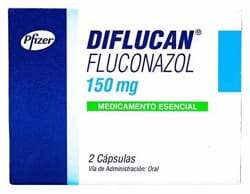
Buy Diflucan Online: Best Prices and Fast Delivery
Decoding Diflucan Dosage and Usage Scenarios
Taking medication is rarely a one-size-fits-all affair, much like finding the perfect pair of shoes. Fluconazole, commonly known by its brand name Diflucan, behaves differently depending on the intruder it is fighting. You wouldn’t use a sledgehammer to crack a nut, nor would you use a toothpick for a heavy-duty construction project.
Doctors often tailor the dose to the specific type of fungal infection present. For a simple yeast infection, a single, solitary dose might do the trick. However, if the infection has decided to dig its heels in, you might find yourself swallowing a pill every day for several days.
The timing of your dose is the heartbeat of the treatment. Skipping a pill is like missing a beat in a song; it throws the whole rhythm off. Consistency ensures the concentration of the medicine in your bloodstream stays high enough to keep the fungi at bay.
It is vital to remember that “more” is not always “better.” Overloading the system doesn’t necessarily speed up the healing process but can lead to a stomach ache or a nasty bout of nausea. Always follow the script written by your healthcare professional to navigate this path safely.
Common Treatment Patterns
When dealing with vaginal candidiasis, the approach is often a “hit and run” tactic. A single 150mg dose is frequently the standard protocol. It works quickly to restore the natural balance of your body, acting like a specialized cleanup crew arriving on the scene.
Oral thrush, often seen in those with weakened immune systems, requires a more persistent strategy. You might see a regimen involving 400mg to 800mg daily. It is a marathon, not a sprint, requiring patience as the medication works through the layers of the infection.
For systemic infections, the dosage landscape shifts dramatically. These cases are often handled in a hospital setting where medical staff monitor your levels closely. It is a heavy-duty approach for a heavy-duty battle, ensuring the medicine reaches every corner of the body.
Always keep a log of your doses if you find yourself on a multi-day plan. A small notebook or a phone app can prevent the “did I take that already?” panic. Being organized is your best defense against accidental double-dosing or missed opportunities for recovery.
| Condition Type | Typical Dosage Pattern | Estimated Cost (Refills) |
| Vaginal Yeast | Single 150mg Dose | $15 – $30 |
| Oral Thrush | Daily 400mg – 800mg | $40 – $85 |
| Systemic Infection | Variable/Hospital Regimen | $200+ |
Navigating Special Populations
Pregnancy turns the medical landscape into a minefield of caution. Doctors often tread very carefully here, weighing the risks against the benefits. They might choose a different antifungal altogether or delay treatment until it is absolutely necessary for the mother’s health.
Children aren’t just small adults; their bodies process chemicals quite differently. Dosages for kids are often calculated based on their body weight, making it a precise science. A tiny slip in math can lead to a dose that is either ineffective or too strong.
If you are elderly, your kidneys might not be as sprightly as they once were. Since the kidneys are responsible for clearing the drug from your system, a lower dose might be required. It is a delicate dance of maintaining efficacy without causing toxicity.
Before you even reach for the bottle, have a heart-to-heart with your physician. They act as your navigator through these complex waters. Never attempt to self-medicate based on a neighbor’s advice; their biology is not your biology, after all.
Comparing Diflucan vs. Generic Fluconazole
Walking into a pharmacy can feel like stepping into a labyrinth of confusing labels and brand names. You might see the name Diflucan gleaming on a shelf, only to notice a much cheaper option right beside it. It is easy to wonder if you are paying extra just for the fancy packaging or a household name.
At its core, the active ingredient in both options is identical. Whether you reach for the brand-name version or the generic alternative, the chemical structure remains the same. Think of it like buying a generic brand of flour; it might not have the colorful logo, but it still makes the bread rise just as well.
The FDA ensures that generic versions are bioequivalent to the original. This means they must work in your body in the same way and at the same speed. You aren’t sacrificing the effectiveness of your treatment just to save a few bucks at the checkout counter during your visit.
However, there are subtle nuances to consider. While the “engine” is the same, the “paint job” might differ. Some people find that the inactive ingredients, such as binders or dyes, affect their stomach differently. It is a personal journey of finding what works best for your unique biology.
The Cost of Brand Recognition
Price is often the elephant in the room when discussing medication. Brand-name drugs like Diflucan carry the weight of research, development, and massive marketing budgets. This “prestige” is reflected in the price tag you see when the pharmacist hands you your prescription bag.
Generics, on the other hand, are the budget-friendly heroes of the pharmaceutical world. Because they don’t have to fund billion-dollar advertising campaigns, they can offer the same relief for a fraction of the cost. For many families, this difference can be the deciding factor in staying consistent with their treatment.
It is helpful to look at the numbers before you make your final decision. While the brand name offers a sense of familiarity, the math often tells a different story. Below is a quick comparison to help you visualize the potential savings you might see at your local pharmacy.
| Option Type | Primary Advantage | Typical Cost per Cycle |
|---|---|---|
| Brand Name (Diflucan) | Recognizable Brand | $45 – $90 |
| Generic Fluconazole | Significant Savings | $10 – $25 |
| Store Brand/Value Pack | Bulk Economy | $5 – $15 |
Inactive Ingredients and Sensitivities
If you have ever noticed a slight difference in how a pill dissolves, you aren’t imagining things. Even if the active medicine is the same, the “fillers” used to make the pill can vary. These might include lactose, cornstarch, or various coloring agents that give the tablet its shape.
For most people, these additives are completely harmless. However, if you have a specific allergy or a very sensitive stomach, they might cause a minor hiccup in your comfort. If you notice any new side effects when switching to a generic, it is worth a quick chat with your doctor.
Don’t let a minor difference in appearance rattle you. A generic pill might be a different shape or a slightly different shade of white than the brand-name version. This is simply a sign that a different manufacturer produced the batch, not that the medicine itself has changed its fundamental nature.
Ultimately, the choice between Diflucan and generic fluconazole is a balance of budget and personal comfort. Most medical professionals suggest that the efficacy is a wash. If you can afford the brand and it works perfectly for you, there is no harm in sticking with what you know.
The Logistics of Buying and Shipping Medication
Navigating the Pharmacy Landscape
Stepping into a brick-and-mortar pharmacy is often a straightforward affair, but it can feel like a marathon if your insurance coverage is a tangled web. You might find yourself standing in line, clutching a prescription and hoping the co-pay doesn’t break the bank. It is a common dance in the modern healthcare system.
Sometimes, the local drugstore has the brand name on hand, while other times, they are completely out of stock. This can be incredibly frustrating when you are feeling under the weather and just want to get on with your life. It is a bit like searching for a specific ingredient in a grocery store only to find empty shelves.
If you prefer the convenience of digital shopping, mail-order services have become a massive player in the market. They offer a “set it and forget it” approach that many people find refreshing. However, you must ensure you are dealing with a reputable, licensed pharmacy to avoid any shady business or counterfeit products.
When ordering online, always look for the VIPC (Verified Pharmacy Program) seal or similar credentials. It is better to be safe than sorry when it comes to your health. A little bit of digital detective work can save you from a lot of headache and potentially dangerous mistakes down the road.
Shipping Methods and Delivery Timelines
Speed is often the name of the game when you are dealing with a sudden infection. Standard shipping might take several business days, which can feel like an eternity when you are uncomfortable. Many pharmacies offer expedited options if you are willing to pay a premium for that extra speed.
For those who live in more remote areas, the logistics can get a bit trickier. You might find that your delivery time stretches from a few days to a couple of weeks. It is always wise to keep a close eye on your tracking number to ensure everything is moving along as planned.
Temperature control is another factor that often goes unmentioned by the average consumer. While Diflucan is generally stable, some medications are much more sensitive to the heat. If you live in a place where the summer sun is relentless, consider how your package might fare sitting on a porch.
To keep things running smoothly, consider these common shipping scenarios you might encounter:
- Standard Ground: The most economical choice, typically arriving in 3 to 7 business days.
- Expedited Air: A faster route for those in a hurry, often arriving within 2 business days.
- Overnight Delivery: The “express lane” of medication shipping, though it comes with a steeper price tag.
Managing Costs and Delivery Fees
The total cost of your medication isn’t just the price listed on the pill bottle. You also have to factor in the “hidden” costs of getting that package to your front door. Shipping fees can sometimes feel like a sneaky little tax that adds up quickly over several months.
Many large-scale online retailers offer free shipping if you reach a certain spending threshold. For example, if you spend over $35, the shipping might be on the house. This can be a great way to save money if you are stocking up on several different prescriptions at once.
It is also worth checking if your insurance provider has a preferred mail-order pharmacy. Often, using their specific partner can significantly lower your out-of-pocket expenses. It is a bit like using a coupon; it might take a little extra effort to find, but the savings are real.
| Shipping Type | Estimated Cost | Delivery Speed |
|---|---|---|
| Standard Ground | $0 – $5 | 3-7 Days |
| Expedited | $15 – $25 | 2 Days |
| Overnight | $30 – $50 | Next Day |
Identifying Critical Contraindications and Interactions
When to Say No to Fluconazole
Taking a medication like Diflucan is a bit like driving a car; you need to know the red lights before you hit the gas. Some individuals simply cannot take this antifungal due to their unique biological makeup. It is not about being cautious; it is about avoiding a direct collision with serious side effects.
If you have a history of liver issues, you might find yourself walking on thin ice. Because the liver is the primary worker responsible for processing this drug, any underlying dysfunction can cause a metabolic traffic jam. Your doctor will likely run some tests to ensure your liver can handle the load.
Certain genetic conditions also make this medication a “no-go” zone. For instance, those with a known hypersensitivity to fluconazole or its ingredients should steer clear entirely. An allergic reaction can escalate from a mild rash to a full-blown emergency in the blink of an eye, so listen to your body.
It is vital to discuss your full medical history with a professional before starting any new regimen. They will weigh the benefits against the risks, acting as your navigator in a sea of medical possibilities. Never attempt to play doctor by guessing which pills are safe for your specific constitution.
The Chemical Dance of Drug Interactions
Think of your body as a complex ecosystem where every new resident can change the balance. When you introduce Diflucan, it may start interacting with other medications you are already taking. It is like adding a new ingredient to a recipe; sometimes, it makes the meal taste terrible or even ruin it.
Certain medications can cause levels of this antifungal to spike dangerously in your bloodstream. This can happen if you are taking specific types of anti-seizure drugs or certain blood thinners. It is a delicate chemical dance that requires constant monitoring to ensure nothing goes sideways while you sleep.
Some drugs can also make Diflucan less effective, essentially neutralizing its ability to fight the fungus. This is like trying to put out a fire with a leaky bucket. You might think you are getting better, but the infection is actually gaining ground under the surface of your skin.
To keep your health on the straight and narrow, keep a running list of every supplement and pill. This includes herbal remedies like St. John’s Wort, which can be quite the troublemaker. Bringing this list to your pharmacist can prevent a nasty surprise that might cost you much more than a co-pay.
Commonly interacting substances include:
- Warfarin: This blood thinner can have its effects amplified, increasing the risk of bruising or bleeding.
- Certain Statins: Taking these alongside Diflucan can lead to unexpected muscle pain or weakness.
- Oral Contraceptives: In some cases, the effectiveness of birth control may be altered by this antifungal.
- Sulfonylureas: These diabetes medications may cause blood sugar levels to drop unexpectedly low.
Monitoring and Safety Measures
Even when everything seems to be going swimmingly, it is wise to keep a watchful eye on your physical state. Sometimes, a side effect doesn’t show its face until you are halfway through your treatment. Being proactive is the best way to stay ahead of any potential medical storms.
Watch for signs of jaundice, such as yellowing of the eyes or skin, which can signal liver distress. If you notice your urine becomes very dark or your stomach starts to ache, do not wait for the next scheduled appointment. These are the body’s way of waving a red flag.
If you experience sudden swelling in your extremities or a persistent, dry cough, call your healthcare provider immediately. These symptoms can be subtle at first, like a whisper before a thunderstorm. It is always better to investigate a phantom pain than to ignore a real warning sign.
Keeping a diary of how you feel can be a lifesaver during follow-up visits. Note down any new sensations, even if they seem minor or unrelated to the medication. This information is gold for your doctor as they fine-tune your treatment plan for maximum efficacy.
| Symptom Category | Potential Warning Sign | Action Required |
|---|---|---|
| Liver Health | Yellowing skin/eyes, dark urine | Contact doctor immediately |
| Allergic Reaction | Hives, swelling of the face | Seek emergency care |
| Gastrointestinal | Severe abdominal pain or cramping | Report to healthcare provider |
Optimizing Treatment Outcomes and Recovery
Maximizing the Efficacy of Your Regimen
Getting the most out of your medication is not just about swallowing a pill and hoping for the best. It requires a certain level of discipline and mindfulness regarding your daily habits. Think of it as nurturing a garden; if you skip the water or the sunlight, even the best seeds will struggle to bloom.
Consistency is the name of the game when battling a fungal infection. Skipping doses can create a “rebound effect,” where the fungus senses a lull in the attack and starts to fortify its defenses. You want to keep the pressure on the infection at all times to ensure it doesn’t gain any unexpected ground.
Dietary choices can also play a subtle role in how your body processes the medication. While you don’t need to live on a strict regimen, being mindful of heavy, greasy meals might help mitigate any stomach upset. Staying well-hydrated is another simple step that can make a world of difference in your overall recovery process.
Sometimes, your doctor might suggest specific timing for your doses to ensure peak absorption. For instance, taking your medication at the same time each day helps maintain steady levels in your bloodstream. This prevents the “peaks and valleys” that can occur if your schedule is all over the place.
If you find that your symptoms are not improving after the first few days, don’t just assume it’s not working. Sometimes the body takes a little while to catch up to the medicine. However, if you feel like you’re spinning your wheels, a quick call to your clinic is a smart move.
The Roadmap to a Full Recovery
Recovery is often a marathon, not a sprint, and your physical state will evolve as the treatment progresses. You might notice the itching subside before the visible redness disappears. This is a common pattern, but it doesn’t mean you are in the clear just yet. Patience is your best ally here.
It is tempting to stop taking your medication the moment your skin looks clear and you feel wonderful again. Resist that urge! Stopping prematurely is like stopping a rainstorm before the clouds have fully cleared; you might still be left with some dampness behind. Finish the entire course as prescribed by your doctor.
As you heal, keep an eye on the area where the infection was located. If you notice new spots appearing or a sudden increase in irritation, it could indicate that the fungus is still lurking. Being vigilant during the final stages of treatment is just as important as being careful at the start.
Managing your environment can also prevent a relapse from occurring. If you are dealing with a skin infection, ensure your towels and linens are washed in hot water. This helps kill any lingering fungal spores that might be hiding in the fabric, preventing you from re-infecting yourself.
If you are tracking your expenses during this time, you might find that generic versions of certain medications are much more budget-friendly. While prices vary by location, a generic prescription might cost you as little as $15, whereas a brand-name alternative could climb significantly higher.
Here is a quick look at how you might budget for your healthcare needs:
| Expense Type | Estimated Cost Range | Impact on Budget |
|---|---|---|
| Generic Prescription | $10 – $40 | Minimal impact |
| Brand Name Medication | $50 – $200+ | Moderate impact |
| Follow-up Consultation | $75 – $150 | Variable impact |
