
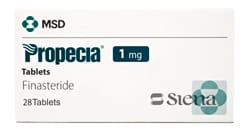
Buy Propecia Online for the Best Price and Fast Shipping
Daily Regimen and Dosage Protocol
Taking your pill is much like tending a garden; if you skip the watering, the flowers simply won’t bloom. For men battling the relentless march of male pattern baldness, the gold standard is a 1mg oral dose of Finasteride. This tiny tablet works behind the scenes to keep your scalp lush.
Consistency is the name of the game here. To effectively blockade dihydrotestosterone (DHT), you can’t just play “catch me if you can” with your hormones. Your body needs a steady, unwavering stream of the medication to maintain that protective shield over your hair follicles every single day.
If you treat your dosage like a suggestion rather than a rule, you might find your hair retreating despite your best efforts. It is better to pick a time that sticks—like right after brushing your teeth—to ensure the habit becomes as natural as breathing. Skipping doses is like trying to paddle a boat with only one oar.
Navigating the Physiological Landscape
No medicine is a free lunch, and Propecia is no exception to this rule. While many men go through their regimen without a hitch, some report a shift in their internal chemistry. It’s like recalibrating a delicate instrument; sometimes, the adjustments can feel a bit jarring to the system.
Commonly reported side effects often involve changes in sexual function or libido. Some men notice a dip in drive or unexpected physical shifts that feel quite alien. While these issues are statistically rare, they are significant enough that you shouldn’t ignore them if they arise. Always keep a close eye on how you feel.
Beyond the obvious, some individuals report mood swings or a certain “brain fog” that makes mental clarity feel like it’s stuck in a thick mist. It isn’t every man’s experience, but it is a vital part of the conversation. If the tide turns against your well-being, consult your doctor immediately.
The physiological impact is essentially a tug-of-war between your genetics and your chemistry. By lowering DHT levels, you are effectively throwing a wrench into the gears of hair loss. Just remember that every biological system reacts differently to the same set of rules.
The Long Game of Regrowth
Patience is a virtue that many lose when they first see a pharmacy receipt. You won’t wake up tomorrow with a full head of hair like a movie star. In fact, the first few months can feel like you are waiting for a slow-moving train in a heavy fog.
Typically, you might see the first signs of life in 3 to 6 months. This isn’t a sudden explosion of growth, but rather a subtle thickening of the strands you still possess. It is a slow, steady climb rather than a sudden leap to the summit.
By the one-year mark, the results often become much more undeniable. This is the “sweet spot” where most men can finally look in the mirror and see a tangible difference. If you stop now, you are essentially walking away just as the finish line comes into view.
Keep in mind that maintenance is the price of admission. If you decide to pack up your pill bottle and walk away, the DHT will simply reclaim its territory. Your hair follicles have a long memory; once they’ve been protected, they’ll want that protection to continue indefinitely.
Dosing Strategies and Variations
While the daily 1mg dose is the most common path, some men explore different rhythms. You might hear people discussing weekly doses or even topical applications. It’s like choosing between a daily steady rain or a heavy storm once a week; the delivery method changes the experience.
The primary difference between daily and weekly dosing lies in the “peaks and valleys” of the drug concentration in your bloodstream. Daily dosing keeps the levels stable, whereas weekly alternatives can lead to more significant fluctuations in your hormone levels throughout the week.
Some studies suggest that lower, less frequent doses might minimize side effects for certain individuals, but this is a delicate balancing act. It’s a tightrope walk between maximizing hair retention and minimizing systemic impact. Always consult a professional before trying to tweak your own biological settings.
Currently, the market price for a standard monthly supply of 1mg tablets can vary significantly depending on the provider. Generally, you can expect to pay between $20 and $50 for a month’s worth of supply. Investing in your confidence is a long-term commitment, not a quick fix.
| Dosing Frequency | Typical Goal | Stability Level |
| Daily (1mg) | Maximum DHT Blockade | High/Consistent |
| Weekly (Alternative) | Side Effect Mitigation | Variable |
Current Market Pricing and Cost Breakdown
Walking into a pharmacy or browsing an online storefront can feel like stepping into a high-stakes poker game. One minute you are looking at a standard retail price, and the next, the numbers seem to dance around. Understanding the landscape is vital before you open your wallet for a long-term commitment.
For a standard 1-month supply of branded Propecia, you will typically see prices hovering between $50 and $80. This is the premium option, often sought by those who want the peace of mind that comes with a manufacturer’s name. It is the industry standard for many.
However, the market is far from a monolith. Prices fluctuate wildly based on the reputation of the pharmacy you choose. High-end, brick-and-mortar chains often charge a premium for the convenience of a physical storefront and a familiar face behind the counter.
On the other hand, digital-first pharmacies often undercut these prices by a significant margin. They operate with lower overhead, passing some of those savings onto the consumer. It is a classic trade-off between the comfort of tradition and the efficiency of the modern digital age.
Comparing Branded vs. Generic Options
The elephant in the room is always the battle between branded Propecia and generic Finasteride. If you are looking to save some serious cash, generics are your best friend. They contain the exact same active ingredient, working like a twin to the original pill.
Think of it like buying a generic brand of coffee. It might not come in the fancy, colorful bag, but the caffeine content remains the same. Most men find that switching to generic Finasteride is a total game-changer for their monthly budget without sacrificing any hair-saving benefits.
That said, some people swear by the branded version, claiming a difference in how their body absorbs the pill. While science says they are identical, the psychological comfort of the original packaging carries weight for some. It is a choice between pure economics and personal preference.
When you weigh the two, the math usually tilts heavily toward the generic. Over a year, the difference can add up to hundreds of dollars. That is money that could be spent on other lifestyle improvements or perhaps a better diet to support hair health.
Below is a breakdown of how various purchasing models generally compare in the current market.
| Option Type | Quantity/Duration | Estimated Cost |
|---|---|---|
| Branded Propecia | 1 Month (30 pills) | $65 |
| Generic Finasteride | 1 Month (30 pills) | $25 |
| Generic Finasteride | 3 Months (90 pills) | $60 |
| Generic Finasteride | 6 Months (180 pills) | $100 |
Subscription Models and Hidden Fees
If you want to play it smart, look into subscription models. Most reputable online providers offer a “set it and forget it” approach. By signing up for automatic refills, you can often shave a significant percentage off the total price. It keeps your supply consistent and your wallet a bit thicker.
Bulk purchasing is the ultimate way to drive down your per-pill cost. Buying a six-month supply all at once is like buying in bulk at a warehouse club. It requires more capital upfront, but the long-term savings are undeniable. It is a strategic move for the disciplined patient.
However, don’t let the low pill price fool you; keep an eye out for the “hidden” costs. Many telehealth platforms require a physician consultation fee before you can even get a prescription. This can feel like a gatekeeper standing between you and your hair, adding $30 to $60 to your initial bill.
You should also watch out for shipping costs and “service fees” that get tacked on at the final checkout screen. It is easy to get blinded by a low advertised price, only to find the total is much higher once you reach the final step. Always read the fine print before you click “confirm.”
Navigating Online Pharmacy Procurement
Walking into the digital marketplace feels like stepping into a crowded bazaar. One moment, you see a gleaming storefront with glowing reviews, and the next, you encounter a shady alleyway of “too good to be true” deals. Identifying the real deal requires a sharp eye and a healthy dose of skepticism.
Counterfeiters are clever; they often mimic the aesthetics of legitimate brands to catch you off guard. If a website looks like it was built in 1998 or offers a 90-day supply for $5, your internal alarm bells should be screaming. These “ghost pharmacies” often ship nothing at all, or worse, something dangerous.
Legitimate vendors will always require a valid prescription from a licensed healthcare professional. If a site tells you that you can skip the doctor and just click “buy,” you are likely walking into a trap. Real medicine isn’t a candy bar; it requires oversight to ensure it is safe for your specific biology.
To verify a pharmacy’s credentials, look for specific certifications that prove they play by the rules. You should always check for the VIPPS (Verified Internet Pharmacy Practice Sites) seal or similar accreditation. This is the digital equivalent of a health inspection grade for a restaurant.
Don’t just take their word for it; do your homework. You can cross-reference their license number with state pharmacy boards or national regulatory databases. A legitimate business will have no problem providing their physical address and contact information. If they are hiding behind a generic “Contact Us” form, walk away.
Another red flag is the lack of a physical headquarters. If the “About Us” page is a collection of vague platitudes and no actual office location is listed, proceed with extreme caution. You wouldn’t buy a car from a guy in a parking lot without seeing a dealership; treat your medication with the same scrutiny.
Shipping timelines can be a bit of a moving target when you are dealing with international logistics. Some domestic providers might get your package to your doorstep in three to five business days. However, if you are sourcing from overseas to save a few bucks, prepare for a longer wait.
International shipping can be a rollercoaster of customs inspections and varying local regulations. Sometimes your package arrives in a week; other times, it sits in a shipping container for a month. It is vital to manage your supply carefully so you don’t run out while waiting for a delayed shipment.
Be aware that customs officials in your country may occasionally intercept packages if the documentation isn’t perfect. If you choose an international route, ensure the vendor uses reliable carriers like FedEx or DHL rather than untraceable postal services. It’s better to pay a little more for certainty than to lose a whole shipment.
When it comes to your privacy, discretion is often the top priority for men dealing with hair loss. You might not want a giant box with “HAIR LOSS MEDICINE” printed in bold letters sitting on your porch. Most reputable companies understand this and offer “discreet packaging.”
Discreet packaging usually means a plain, unmarked brown box or a standard padded envelope. The return address should be a generic company name or a logistics hub rather than the pharmacy’s actual name. This allows you to receive your order without any unwanted questions from roommates or family members.
Always double-check the shipping options during checkout to ensure this feature is active. If a company refuses to provide discreet shipping despite asking, it might indicate a lack of professional service. You are paying for a service that should respect your personal boundaries and your privacy.
When you reach the checkout stage, the method you use to pay is your last line of defense. Using a credit card offers the strongest protection because of “chargeback” rights if the product never arrives. It is like having a built-in security guard for your bank account.
Avoid using wire transfers, Western Union, or direct bank transfers at all costs. These methods are akin to throwing cash into a black hole; once the money is gone, there is no way to get it back. Scammers love these methods because they are virtually untraceable and irreversible.
For those who prefer more modern options, secure third-party processors like PayPal can provide an extra layer of anonymity and protection. Always look for the “HTTPS” and the little padlock icon in your browser’s address bar. If the site is not encrypted, your financial data is essentially public property.
Comparative Analysis of Hair Loss Treatments
Oral vs. Topical Efficacy
Choosing between Propecia and Minoxidil is like deciding whether to fix a leaky roof from the inside or the outside. Propecia, containing finasteride, works systemically to tackle the root cause by blocking DHT. It targets the hormonal engine that drives hair miniaturization, making it a heavy hitter for many men.
Minoxidil, on the other hand, is a topical vasodilator that acts more like a fertilizer for your scalp. It encourages blood flow to the follicles, helping to prolong the growth phase of the hair cycle. While it is widely accessible, it doesn’t stop the underlying hormonal shift that causes the loss.
Think of it as a two-pronged battle against time. While Minoxidil provides a localized boost to existing strands, Propecia works on the biological blueprint itself. Many users find that the oral approach offers a more profound change in density compared to the surface-level stimulus of topical solutions.
However, the choice isn’t always black and white. Some men experience scalp irritation from topical Minoxidil, making the oral route much more convenient. It is a trade-off between the systemic impact of a pill and the direct, localized application of a liquid or foam.
Finasteride and Emerging JAK Inhibitors
The landscape of hair restoration is shifting beneath our feet. While Finasteride has been the gold standard for decades, new players like JAK inhibitors are entering the ring. These newer drugs target different inflammatory pathways, offering a different mechanism of action for those who find traditional treatments insufficient.
JAK inhibitors are currently being studied for their ability to modulate the immune response in the scalp. For men with certain types of inflammatory hair loss, these could be a game-changer. It is a fascinating shift from purely hormonal regulation to addressing the body’s own inflammatory signals.
Of course, with new science comes new questions. Finasteride has a well-documented track record, both for its successes and its side-effect profile. JAK inhibitors are the “new kids on the block,” and while they hold immense promise, they lack the decades of longitudinal data that support the older, established medications.
Deciding between the two is a conversation for your dermatologist. They will weigh your specific hair loss pattern against the potential benefits of these emerging therapies. It is not a race to the newest thing, but rather a search for the most effective biological match.
Systemic vs. Localized Therapy Costs
When you look at your bank account, the math can get complicated quickly. Systemic therapies like Propecia often involve a monthly prescription cost that can range from $30 to $60 depending on the provider. It is a recurring investment in your long-term hair health and confidence.
Localized treatments like Minoxidil are often cheaper upfront, with generic bottles costing as little as $15 to $25. However, if you are using high-quality foams or specialized serums, that price can climb. You have to factor in the cost of application tools and the sheer volume required.
The real question is the “cost-per-result.” Is it better to spend $50 a month on a pill that addresses the source, or $20 a month on a topical that might only yield marginal gains? It is a classic case of value versus price, where the ultimate goal is hair retention.
Consider the hidden costs of failure. If a cheap topical solution fails after a year, you have essentially wasted that money and lost precious time. Investing in a more effective systemic approach might seem steeper initially, but it could save you from more expensive procedures later.
| Treatment Type | Primary Mechanism | Average Monthly Cost | Application Method |
| Oral (Propecia) | DHT Blockage | $30 – $60 | Ingestion |
| Topical (Minoxidil) | Vasodilation | $15 – $35 | Scalp Application |
Synergistic Approaches and Combinations
Many men find that using a single product is like trying to stop a flood with a single sponge. The most effective strategy often involves a synergistic approach. This means combining a DHT blocker like Propecia with a growth stimulant like Minoxidil to attack the problem from two angles.
This “one-two punch” targets both the cause and the symptoms. By lowering DHT levels while simultaneously increasing blood flow to the follicles, you create an environment that is much more conducive to thick, healthy hair growth. It is a coordinated strike against hair loss.
However, this strategy requires more discipline. You have to manage the consistency of both the pill and the topical. If you get lazy with the Minoxidil, you might lose the benefits provided by the Propecia. It is a dual commitment that demands a bit more effort from your daily routine.
Some also add low-level laser therapy or specialized shampoos to the mix. While these can provide a slight edge, they are usually secondary to the core duo of oral and topical. Think of them as the supporting cast in a much larger, more important production.
Commitment vs. Quick-Fix Solutions
The world of hair loss is littered with “miracle cures” and “quick-fix” topicals that promise overnight results. Beware of these sirens; they are often nothing more than expensive water and scent. Real hair growth is a slow, biological process that cannot be rushed by a magic potion.
True results take months, not days. You might not see a single new hair for twelve weeks, which can be incredibly discouraging. This is where many men throw in the towel just before the magic happens. Hair restoration is a marathon, not a sprint, and it requires patience.
If you stop a treatment because you don’t see immediate results, you are essentially resetting the clock. The follicles that were being supported will quickly return to their previous state. It is a long-term commitment that requires you to stay the course even when progress feels invisible.
Ultimately, the best treatment is the one you can stick to for years. Whether it is a daily pill or a nightly foam, consistency is the golden rule. If you aren’t prepared for the long haul, you might be better off focusing on maintenance rather than aggressive regrowth.
Practical Usage Scenarios for Men
Early Intervention and Thinning Crowns
Catching the dragon while it is still small is the smartest way to win the battle. If you notice your crown starting to look a bit translucent under bright bathroom lights, you are likely in the golden window. This is when Propecia shines the brightest, acting as a defensive shield before the damage becomes irreversible.
Think of your hair follicles like a garden. It is much easier to fertilize a patch of soil that is still healthy than it is to try and revive a desert. When you catch thinning early, the goal shifts from “regrowth” to “retention.” You aren’t just fighting hair loss; you are actively preserving what you currently have.
Many men wait until they can see scalp through their hair to take action. By that stage, the follicles may have already miniaturized significantly. Using Finasteride at the first sign of a receding hairline or a thinning vertex can prevent the biological signal that tells your hair to stop growing entirely.
I once spoke to a client who waited three years to act. He was devastated because even with the best medication, he couldn’t get back what was already gone. He should have started when he first noticed a slight change in his hair density. Timing is everything in the world of androgenetic alopecia.
Maintenance Strategies for Established Loss
If you have already lost a significant amount of hair, the game changes entirely. You aren’t necessarily looking to grow a full, thick mane back from nothing. Instead, the focus shifts to a strict maintenance protocol. You are working to keep every single existing strand firmly rooted in the scalp.
Consistency is your best friend here. If you decide to start Propecia after years of thinning, you must treat it like brushing your teeth. Skipping a few days might not seem like a big deal, but DHT levels can rebound, potentially undoing the progress you have fought so hard to achieve.
For many men, this stage involves a “set it and forget it” mentality regarding the pill, but a high level of vigilance regarding results. You are essentially holding the line. If you notice a sudden shed, it is time to check your routine rather than assuming the medication has simply stopped working.
It is a marathon that never truly ends. Unlike a temporary infection, hair loss is often a chronic condition. You are essentially managing a long-term biological trend. Think of it as keeping a fire burning; you have to keep adding fuel to the flame to prevent it from going out.
Managing Expectations Across Hair Types
Not all hair is created equal, and you must realize that your DNA dictates the ceiling of your success. If you have thick, coarse hair, the results of Propecia might look quite dramatic. However, if your hair is naturally fine or curly, the visual impact might be much more subtle.
Texture plays a massive role in how you perceive your progress. Some men find that their hair feels thicker and more “grippy” even if the actual hair count hasn’t increased. This is because the individual strands are becoming more robust and less wispy, which is a huge win in the long run.
It is important to be realistic about what “success” looks like for your specific biology. You shouldn’t expect a Hollywood transformation overnight. Sometimes, success is simply looking in the mirror and seeing the same hairline you had six months ago. In the world of hair loss, that is a victory.
I always tell men to look at their photos from three years ago. If you look like that now, you are winning. Don’t compare your results to a man with a different hair density or a different genetic predisposition to male pattern baldness. Focus on your own personal baseline.
Addressing Side Effect Concerns
Before you pop that first pill, you need to have a real, honest conversation with yourself about risks. While many men experience zero issues, the conversation about sexual side effects is the elephant in the room. It is better to be informed now than to be caught off guard later.
The statistics suggest that the risk of libido changes is relatively low, but it is not zero. Some men report a decrease in sexual desire or changes in physical performance. If you experience these, it is vital to talk to your doctor immediately rather than just “toughing it out.”
Mental health is another factor worth considering. While the link between DHT blockers and mood changes is debated, some men do report feelings of lethargy or low mood. You need to be in tune with your body. If you feel “off,” don’t hesitate to seek professional medical advice.
Ultimately, it is a personal risk-reward calculation. Is the potential for improved hair density worth the statistical risk of side effects? There is no right or wrong answer, only what works for your lifestyle and your mental well-being. Always prioritize your health over aesthetics.
Lifestyle Factors and Absorption
You can take the best medication in the world, but if your body is a mess, the results will suffer. Your lifestyle acts as the soil in which your hair grows. If that soil is toxic, even the best fertilizer won’t do much to help your follicles thrive.
Stress is a massive, often overlooked, killer of hair growth. High cortisol levels can wreak havoc on your hormonal balance and potentially counteract the benefits of your medication. Finding ways to manage stress is just as important as the pill you take every morning.
Nutrition and sleep are the other two pillars of the tripod. A diet high in processed sugars and low in essential vitamins can leave your body without the building blocks needed for keratin production. Similarly, sleep is when your body performs its most intense cellular repair work.
Consider these lifestyle variables when evaluating your progress:
- Dietary Quality: Are you getting enough zinc, biotin, and protein?
- Stress Management: Is your daily cortisol level consistently elevated?
- Sleep Hygiene: Are you getting 7-8 hours of restorative rest?
- Alcohol Consumption: Are you consuming excessive amounts of inflammatory substances?
