
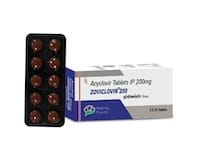
Buy Aciclovir Online: Best Prices and Fast Shipping
Prescription Dosage and Administration Protocols
Understanding antiviral therapy is somewhat like learning to read a complex musical score. You cannot simply glance at the notes; you must follow the rhythm of the timing to get the results you need. For those fighting Herpes Simplex Virus (HSV), the standard oral dosage usually follows a steady cadence.
Typically, doctors prescribe 400 mg twice daily for recurrent outbreaks. If you are dealing with a primary infection, the dose often shifts to 200 mg five times daily. It is not a “one size fits all” situation, much like choosing a tailored suit. The goal is to maintain a consistent level of medicine in your bloodstream.
If you miss a dose, you might find the virus gaining ground. Think of it as keeping a watchful eye on a flickering flame to prevent a wildfire from spreading across your skin. For those dealing with the sudden, sharp sting of Shingles, the protocol shifts gears entirely. Varicella-Zoster requires a much more aggressive approach to quell the fire.
Usually, this means taking 800 mg five times a day. It is a demanding schedule that requires a disciplined mind to maintain through the entire treatment phase. Patients often ask if they can skip a dose once the pain fades. I always tell them, “Don’t let your guard down just because the storm has passed.”
Completing the full course is non-negotiable. Stopping early is like leaving a door unlocked in a bad neighborhood; you might be safe for now, but the threat remains lurking just outside the threshold. When it comes to how the medicine enters your system, the delivery method matters immensely.
You might encounter immediate-release tablets, which hit the bloodstream like a sudden summer downpour. They work quickly but require frequent dosing to maintain that therapeutic peak. This is a fast-paced dance that demands constant attention. In contrast, delayed-release options act more like a slow, steady drizzle.
These are designed to release the active ingredient gradually, which can be a lifesaver for those with a hectic lifestyle. This method helps avoid the “rollercoaster effect” of fluctuating blood levels. While they may cost slightly more, perhaps around $15 to $25 per month, the convenience is often worth the premium.
However, not everyone follows the standard playbook without adjustments. If your kidneys are not performing at their usual peak, the medication can pile up like snowdrifts in a blizzard. This is a serious concern because excess levels can lead to toxicity. Doctors must carefully recalibrate the dosage based on your creatinine clearance levels.
For patients with impaired renal function, the dosage frequency or amount is often scaled back. It is a delicate balancing act between fighting the virus and protecting your organs. Always ensure your healthcare provider has a clear picture of your kidney health before you start your first pill. Precision here is the difference between healing and harm.
To help visualize the common paths, consider the following breakdown of standard protocols:
| Condition | Typical Dosage | Frequency |
| HSV-1/HSV-2 (Recurrent) | 400 mg | 2x Daily |
| HSV-1/HSV-2 (Primary) | 200 mg | 5x Daily |
| Shingles (VZV) | 800 mg | 5x Daily |
Market Price Analysis and Cost Factors
Walking into a pharmacy to pick up a prescription can feel like stepping into a high-stakes auction. For most patients, the primary concern is the bottom line. You want to know if your wallet can handle the sting of an unexpected pharmacy bill while you are already dealing with the discomfort of an outbreak.
Generic Aciclovir is the champion of affordability for the savvy consumer. You can typically find these generic formulations priced between $5 and $30 for a standard supply. It is a massive relief for those on a tight budget. Choosing the generic route is like opting for a reliable sedan over a luxury sports car; it gets you where you need to go without breaking the bank.
However, the shadow of brand-name versions often looms large in the aisles. While they may offer a sense of familiarity, the price gap can be a chasm. Brand-name formulations often carry a significant premium, sometimes costing several times more than their generic counterparts. It is important to ask your pharmacist, “Is there a generic version available for this?” to save a few bucks.
The math behind your prescription can get a bit hairy when you start looking at the fine print. Many people assume that a higher pill count automatically means a better deal, but that is not always the case. It is a bit like buying in bulk at a warehouse club; sometimes the unit price per pill drops, but the total upfront cost can be quite steep.
Dosage strength also plays a major role in how your total bill is calculated. A prescription for 800 mg tablets might seem more expensive at first glance, but it might actually be more cost-effective than taking four 200 mg tablets. It is all about the math of the “cost per milligram.” You have to look past the sticker price to find the real value.
The following table provides a snapshot of how different quantities and strengths might influence your total expenditure at the pharmacy counter:
| Prescription Configuration | Estimated Total Cost | Unit Value Note |
|---|---|---|
| 200mg (30-pill supply) | $12 | Best for low-dose regimens |
| 400mg (30-pill supply) | $18 | Balanced middle ground |
| 800mg (30-pill supply) | $28 | Higher cost per pill |
| Bulk Generic Pack (100 pills) | $35 | Maximum savings per unit |
Pharmacy markups can feel like a hidden tax if you aren’t prepared for them. Different retail chains have different overheads, and some may charge more for the convenience of being open 24/7. It is worth checking multiple locations or even looking into mail-order services to see if you can snag a better deal on your maintenance refills.
Insurance coverage can be a double-edged sword in this equation. On one hand, a good plan can slash your out-of-pocket costs to almost nothing. On the other hand, high deductibles can mean you are paying the full retail price until you hit a certain threshold. It is a complex dance of copays, coinsurance, and coverage limits that requires a bit of detective work.
Sometimes, your insurance might insist that you use a specific “preferred” pharmacy to get the best rate. If you ignore this advice, you might find yourself paying a premium that feels like a punch to the gut. Always call your provider to confirm your coverage before you head out, ensuring there are no surprises when you reach the checkout counter.
Sourcing Strategies and Purchasing Options
Navigating the digital world for medication can feel like wandering through a minefield. You might see flashy websites promising lightning-fast shipping and incredibly low prices, but you must tread carefully. Not every online storefront is a legitimate pharmacy, and some are nothing more than digital mirages designed to capture your credit card information.
To avoid these traps, look for the “VIP” seal or similar verification markers from recognized regulatory bodies. A legitimate online pharmacy should always require a valid prescription from a licensed healthcare provider. If a site offers to sell you Aciclovir without a doctor’s note, run the other way. It is a massive red flag that suggests the product might be counterfeit or unsafe.
Always verify that the website is secure by checking for the padlock icon in your browser’s address bar. This small detail is your first line of defense against data theft. If the site looks like it was designed in 1998 and lacks a physical address or a clear contact number, it is best to steer clear. Trust your gut; if it feels fishy, it probably is.
In the United States, the legal landscape for purchasing medication is quite strict. You cannot simply add Aciclovir to a digital shopping cart like you would a pair of shoes. Federal law requires a valid prescription for most antiviral medications to ensure that a medical professional has assessed your specific health needs and dosage requirements.
This requirement serves as a vital safety net for patients. It ensures that you aren’t taking potent medication without oversight, which could lead to complications or incorrect treatment for your specific viral strain. Attempting to bypass these rules by using “no prescription needed” sites often leads to receiving substandard or even dangerous substances that lack the actual active ingredient.
If you are navigating the US market, stick to pharmacies that offer a way to upload your prescription or coordinate directly with your doctor. It might take an extra day or two to process, but it provides peace of mind. Skipping these steps is like driving without brakes; you might get there fast, but the crash is almost guaranteed.
When comparing your options, you will find a stark difference between your local neighborhood drugstore and the convenience of mail-order services. Local retail pharmacies offer the benefit of immediate pickup, which is crucial if you are currently experiencing an active, painful outbreak. You can walk in, talk to the pharmacist, and walk out with your pills in hand.
Mail-order services, on the other hand, are the marathon runners of the pharmacy world. They are designed for long-term, maintenance-style prescriptions. While you won’t get your pills overnight, the convenience of having them delivered to your doorstep is hard to beat. Often, mail-order options provide significantly lower costs for large-quantity refills, making them a favorite for chronic management.
Consider the following comparison to help you decide which route fits your current lifestyle and immediate medical needs:
| Method | Primary Advantage | Primary Disadvantage |
| Local Retail | Instant availability | Higher per-pill cost |
| Mail-Order | Lower overall price | Shipping wait times |
| Online (Verified) | High convenience | Requires prescription upload |
Even if you find a reputable vendor, you must keep a sharp eye out for deceptive tactics. Some unauthorized vendors use “bait and switch” pricing, where the initial price looks incredibly low, but massive shipping fees or “handling charges” are added at the final checkout screen. It is a frustrating way to realize you’ve been misled after you’ve already committed to the purchase.
Another major red flag is the lack of a clear return policy or customer support. If you can’t find a telephone number to call or a way to dispute a charge, you are essentially throwing your money into a black hole. Legitimate businesses want to stand behind their products; scammers only want your cash and will disappear once the transaction is complete.
Be wary of any vendor claiming their Aciclovir is “extra strength” or “guaranteed to cure” without any medical basis. Medicine is not a magic wand, and claims that sound too good to be true almost always are. Stick to vendors that use standard, medical-grade terminology and provide clear, transparent information about their sourcing and manufacturing processes.
If the cost of your medication feels like a heavy weight on your shoulders, do not lose hope just yet. There are several ways to lighten the load. Many pharmaceutical companies offer patient assistance programs designed specifically for those who fall into certain income brackets. These programs can sometimes reduce the cost of your prescription to nearly zero.
You should also become a regular user of discount coupons and manufacturer rebates. Websites that aggregate these coupons can be a goldmine for the frugal shopper. Sometimes, a simple 20% discount coupon can be the difference between a manageable expense and a financial headache. It takes a little bit of legwork, but the savings are often well worth the effort.
Lastly, always check with your insurance provider regarding “preferred pharmacies.” Sometimes, using a non-preferred mail-order service can result in a much higher copay, even if the base price seems lower. It is a bit of a paradox, but staying within your insurance network is often the most effective way to keep your out-of-pocket expenses at a minimum.
Shipping Logistics and Delivery Expectations
Navigating the wait time for your Aciclovir can feel like watching a slow-moving glacier when you are in pain. If you are ordering within the same country, domestic shipping is usually a breeze, often arriving within three to five business days. It is the standard “middle ground” for most patients who aren’t in an immediate crisis but want convenience.
International shipping, however, is a different beast entirely. When your medication crosses oceans, you are looking at a timeline that can stretch from two to four weeks. It is like sending a letter via sea instead of air; you must prepare for the possibility of delays at various checkpoints. Patience is your best friend during this extended waiting period.
For those who cannot afford to wait, expedited services are the “express lane” of the pharmaceutical world. These options can shave significant time off your delivery window, sometimes bringing it down to just twenty-four or forty-eight hours. Just keep in mind that speed comes with a hefty price tag, often adding an extra $25 to $50 to your total.
Protecting Your Package and Tracking Progress
Medication integrity is non-negotiable when it comes to your health. High-quality pharmacies use specialized packaging protocols to ensure your Aciclovir doesn’t sit in a sweltering delivery truck or a freezing warehouse for too long. They often use climate-controlled containers or insulated bubble mailers to keep the chemical stability of the pills perfectly intact throughout the long journey.
You should expect a tracking number to be sent via email as soon as the label is printed. Think of this as your digital breadcrumb trail; it allows you to see exactly where your package is sitting in real-time. If the status hasn’t moved in several days, it is time to reach out to customer support to prevent your order from vanishing into the void.
Delivery delays are an unfortunate reality of modern logistics. Weather patterns, carrier strikes, or even a simple clerical error at a sorting facility can stall your shipment. If your package is stuck, don’t panic immediately. Most carriers have a “grace period,” and a quick check of the tracking history can tell you if the delay is a minor hiccup or a major issue.
Navigating Customs and International Borders
When you order across borders, you are entering the complex world of customs regulations. Every country has its own set of rules regarding what can enter its soil. Some regions are quite strict about prescription medications, requiring specific documentation or even a local doctor’s note to clear the border. It is a bureaucratic maze that requires careful preparation.
To avoid having your package seized or destroyed by customs officials, ensure all paperwork is meticulously completed. This includes clear labeling and, in many cases, a copy of your prescription attached to the outside of the box. Skipping these steps is like trying to sneak through a guarded gate without an invitation; it rarely ends well for the traveler.
Be aware that even if you pay all your shipping costs upfront, you might still face unexpected duties or taxes upon arrival. These “hidden” costs are imposed by your local government and are not the responsibility of the pharmacy. Always check your local customs website to see if there are specific restrictions on importing Aciclovir to avoid a financial surprise.
The following table outlines the typical cost and time differences you might encounter when choosing a shipping method:
| Shipping Type | Estimated Timeline | Additional Cost (Approx.) |
| Standard Domestic | 3–5 Business Days | $0 – $10 |
| Expedited Domestic | 1–2 Business Days | $25 – $50 |
| Standard International | 14–30 Days | $30 – $60 |
| Express International | 7–14 Days | $60 – $100+ |
Comparing Aciclovir with Alternative Antivirals
Choosing the right medication often feels like picking a lane on a busy highway. You want something that gets you to your destination quickly, but you also want to avoid any costly accidents along the way. When dealing with viral infections, the choice between different antiviral generations can change your entire experience.
Aciclovir has been a steady workhorse in the medical community for decades. It is reliable, much like an old, dependable sedan that always starts on a cold morning. While it might not have the flashy bells and whistles of the newest models, it gets the job done effectively and quite affordably.
On the other hand, newer options like Valacyclovir offer a smoother ride for many patients. They are often more “bioavailable,” meaning your body absorbs them more efficiently. This efficiency translates directly into how often you have to reach for a pill, which can be a significant factor in daily life.
The difference in dosing frequency is perhaps the most noticeable distinction. Aciclovir often requires a strict, five-times-a-day schedule during an acute outbreak. This can feel like a constant chore. Valacyclovir, however, is often prescribed as a much simpler twice-daily regimen, making it far more convenient for a busy lifestyle.
The Economics of Efficacy
When you look at the cost-benefit analysis, it is a classic case of “value versus convenience.” Aciclovir remains the champion of the budget. Because it is a generic staple, you can often find it for a fraction of the cost of its newer cousins. It is the economical choice for many.
Valacyclovir and other newer drugs carry a premium price tag. You are essentially paying for the luxury of convenience. While a bottle of Aciclovir might cost you $15, a similar supply of Valacyclovir could easily climb to $60 or more. You must decide if the ease of dosing is worth the extra cash.
For long-term management, such as suppressing recurring outbreaks, the math shifts slightly. If you are taking medication every single day for years, those small price differences start to snowball. In these scenarios, the cost of a premium antiviral can become a significant part of your annual healthcare budget.
However, for an acute, one-off outbreak, the math favors Aciclovir. If you only need the medicine for a week, the total cost difference is negligible. In that context, the higher efficacy or convenience of a newer drug might not justify the extra $45 you spend just to save a few doses.
When Traditional Methods Prevail
You might wonder why anyone would choose an older drug when better options exist. There are times when Aciclovir is the undisputed king. For instance, in certain clinical settings where cost is the primary barrier to treatment, Aciclovir is the first line of defense for a reason.
Doctors also sometimes prefer Aciclovir when they want to limit systemic exposure. Because it is less absorbed by the gut, it can actually be easier on certain patients’ digestive systems. It is a bit like using a local anesthetic instead of a general one; it targets the problem without affecting the whole body.
There is also the matter of availability. In many parts of the world, Aciclovir is much easier to source through local pharmacies. If you are traveling or living in an area with limited supply chains, sticking with the tried-and-true standard is a much safer bet than searching for niche brands.
The following comparison highlights the key differences between these two common paths:
| Feature | Aciclovir | Valacyclovir |
| Dosing Frequency | High (Multiple times daily) | Low (Usually 1-2 times daily) |
| Absorption Rate | Lower bioavailability | Higher bioavailability |
| Typical Cost | $ (Very Low) | $$$ (Moderate to High) |
| Best For | Budget-conscious/Acute use | Convenience/Long-term use |
Side Effects and Management Strategies
Every medication comes with its own set of baggage. Side effect profiles vary wildly across different classes of antivirals. For instance, some medications in this class might cause mild nausea or a bit of a headache. These are often “hiccups” that pass once your body adjusts to the treatment.
Aciclovir is generally known for being quite gentle on the system. Most people report very few issues, though staying hydrated is vital. Because it is processed through the kidneys, you must drink plenty of water to ensure everything flows smoothly. Think of it as keeping the pipes clear during a heavy rain.
Newer generations might have different profiles. Some patients report feeling a bit more fatigued or experiencing minor stomach upset. While usually not serious, these side effects can be frustrating if you are already feeling unwell from a viral outbreak. It is a trade-off between convenience and comfort.
When it comes to managing long-term conditions, the strategy shifts toward stability. For acute outbreaks, you want something that hits hard and fast to stop the spread. For long-term suppression, you want something that is easy to take consistently without causing daily discomfort or significant financial strain.
Clinical Scenarios and Usage Contexts
Managing Labial Lesions and Genital Outbreaks
We have all been there: that unmistakable tingling sensation on the lip that signals a cold sore is about to make its grand entrance. It is a tiny, persistent nuisance that can ruin a big presentation or a first date. When you catch it early, Aciclovir can act like a fire extinguisher on a small flame.
For labial lesions, the timing is everything. Applying the cream or taking an oral dose at the very first sign of “prodromal” symptoms—that itchy or burning feeling—can drastically shorten the healing time. It is not just about comfort; it is about stopping the virus from replicating before the blister even forms.
Genital herpes requires a slightly different tactical approach. Outbreaks in this area can be quite painful and emotionally taxing. Doctors often prescribe a higher dose of Aciclovir to tackle these more intense viral loads. It is a marathon, not a sprint, and staying on schedule with your pills is the golden rule here.
If you find yourself dealing with frequent genital outbreaks, the goal shifts from mere “rescue” to active management. Some patients find that a single, high dose of Aciclovir can calm the storm, while others might need a more sustained approach to keep the symptoms at bay during stressful periods.
The Battle Against Shingles
Shingles is not just a skin rash; it is a localized storm of pain that can linger long after the blisters have vanished. This condition, caused by the reactivation of the varicella-zoster virus, demands a swift and decisive response. If you wait too long to start treatment, you might be inviting trouble.
The primary objective when treating shingles is to prevent postherpetic neuralgia (PHN). This is a nasty, chronic nerve pain that can haunt a person for months or even years. Think of Aciclovir as a shield, protecting your nerve endings from the heavy-handed damage the virus can inflict during an active flare-up.
Clinicians typically aim to start the medication within 72 hours of the rash appearing. This window is critical. It is the “golden hour” where the drug can effectively interfere with viral replication, potentially reducing the severity of the outbreak and significantly lowering the risk of long-term neurological discomfort.
While Aciclovir is a heavy hitter, it is often used alongside pain management strategies. Managing the physical pain of the rash while simultaneously treating the underlying viral cause provides a two-pronged attack. This integrated approach is often the most effective way to navigate the complexities of a shingles diagnosis.
Long-Term Suppression and Preventative Dosing
For some, viral outbreaks are like uninvited guests that show up every single month. This chronic pattern can be exhausting, both physically and mentally. Instead of waiting for the fire to start, many people opt for daily suppressive therapy to keep the virus in a state of permanent hibernation.
Daily dosing is a commitment, but it offers a significant peace of mind. By taking a lower dose of Aciclovir every day, you essentially create a chemical barrier that prevents the virus from waking up. It turns a chaotic cycle of outbreaks into a manageable, predictable part of your health routine.
The economic aspect is vital for those on the long-term path. Since you are paying for a daily supply, the low cost of Aciclovir makes it a much more sustainable option than more expensive, newer-generation antivirals. It is a classic case of the “slow and steady” approach winning the race.
However, consistency is the name of the game. Missing doses can lead to “breakthrough” outbreaks, which can be frustrating and demoralizing. Think of it like a daily vitamin or a regular gym routine; the benefits are cumulative and rely entirely on your discipline to stay the course.
Pediatric vs. Adult Application
Treating a child is a completely different ballgame than treating an adult. A toddler doesn’t understand why they have to swallow a pill or why their skin feels itchy. Dosage for pediatric patients is often calculated precisely based on their body weight to ensure safety and efficacy.
In pediatric settings, doctors must be particularly cautious about how the drug is administered. For very young children, the oral suspension or a crushed tablet might be necessary. The goal is to manage the infection without causing unnecessary distress to a child who is already feeling unwell.
Adults, on the other hand, generally have more flexibility in how they take their medication. Whether it is a standard tablet or a topical cream, the focus for adults is often on managing the specific symptoms of the outbreak while returning to a normal, high-functioning lifestyle.
The clinical setting also dictates the approach. In a hospital environment, intravenous Aciclovir might be used for severe, systemic infections. In a home setting, the focus remains on oral or topical routes. Understanding these different pathways is essential for both healthcare providers and the patients they serve.
