
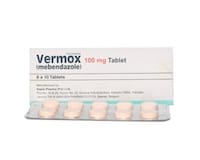
Buy Vermox Online: Best Prices and Fast Delivery
Decoding the Mechanism of Vermox
Think of a parasite like an uninvited guest at a dinner party who simply refuses to leave. To survive, these worms require a constant stream of fuel, much like a car needs gasoline to keep the engine humming. Vermox steps in to cut that fuel line, leaving the intruders stranded without the energy they need to stay alive.
The secret lies in a process called microtubule inhibition. Essentially, the active ingredient, mebendazole, acts like a wrench thrown into a delicate clockwork mechanism. It targets the internal scaffolding of the worm, which is vital for their survival. Without this structural support, the parasite cannot function or maintain its cellular integrity.
Specifically, the drug disrupts the uptake of glucose. Glucose is the lifeblood of these organisms, providing the raw energy required for movement and reproduction. By blocking the transport of sugar into the worm’s cells, Vermox effectively starves them. It is a quiet, efficient way to dismantle an enemy from the inside out without a massive commotion.
Imagine a marathon runner suddenly finding their legs have turned to jelly. That is essentially what happens to intestinal worms. Once the glucose pathway is compromised, the energy production line grinds to a halt. The worms lose their ability to absorb nutrients, leading to a slow and inevitable decline in their metabolic processes.
The Biological Breakdown
Once the energy supply is severed, the biological fallout is quite dramatic. The worms begin to lose their grip on the intestinal walls. They can no longer hold on to their “seat” in the digestive tract, making them vulnerable to the body’s natural cleaning processes. It is a domino effect that starts at the cellular level.
As the worms weaken, their internal systems begin to fail. They cannot maintain the osmotic balance necessary for life. This leads to a gradual breakdown of their biological tissues. It isn’t a sudden explosion, but rather a steady, systemic failure that ensures the parasite cannot simply bounce back once the medication has done its job.
The breakdown is highly specialized to target the unique biology of helminths. Because human cells handle glucose and microtubule formation differently, the drug remains incredibly selective. This precision is what makes it a reliable tool in the medical toolkit, ensuring the bad guys are dealt with while the good guys remain largely untouched.
Eventually, the weakened organisms are expelled from the body through natural bowel movements. They are essentially broken down into harmless biological debris. This process is so efficient that it minimizes the risk of the worms dying and releasing massive amounts of toxins into the gut, which can sometimes cause discomfort for the patient.
Targeted Efficacy and Localized Action
Not all worms are created equal, but Vermox is a versatile heavy-hitter. It is particularly lethal against pinworms, which are notorious for causing nighttime itching. By disrupting their life cycle, it prevents the next generation from taking hold. It is like stopping a fire before it can spread to the rest of the house.
Roundworms and whipworms also find themselves in the crosshairs. These parasites are often more robust, but the metabolic blockade remains effective. Whether it is a tiny pinworm or a more substantial roundworm, the mechanism remains the same: starve them, weaken them, and let the body flush them away. It is a triple-threat approach to intestinal health.
One of the most fascinating aspects of this medication is its localized action. Unlike many drugs that travel through your entire bloodstream like a highway, mebendazole stays largely where it is needed most. It concentrates in the intestinal lumen, which is exactly where the unwanted guests are hiding out. It is a surgical strike rather than a carpet bomb.
This lack of systemic absorption is a major benefit for patient safety. Because the drug doesn’t wander off into the rest of the body, the risk of side effects in other organs is significantly lowered. It stays on the front lines of the digestive tract, performing its duty and then exiting the system without causing a massive internal ruckus.
| Parasite Type | Primary Action | Result |
| Pinworms | Glucose Depletion | Expulsion |
| Roundworms | Microtubule Disruption | Starvation |
| Whipworms | Metabolic Inhibition | Cellular Breakdown |
Standard Dosage Protocols for Adults and Children
Navigating the specifics of medication can feel like walking through a dense fog. You want to get the job done, but you don’t want to trip over a mistake. When it comes to treating intestinal invaders, precision is your best friend. Taking the wrong amount is like bringing a knife to a gunfight; it simply won’t cut it.
For most adults, the standard approach is relatively straightforward. Typically, a single dose of 100mg is the baseline for many common infections. However, depending on the specific parasite identified by your doctor, you might find yourself needing a second dose or a slightly different schedule. Medical treatment is rarely a one size fits all situation.
Children require a much more delicate touch. Doctors usually base the dosage on the child’s weight and age to ensure the medicine hits the sweet spot. For younger children, the dose might be split or adjusted to avoid an upset stomach. Always treat your little ones with care, ensuring they swallow the tablet or suspension as directed.
The goal is to create an environment where the parasites simply cannot survive. By following the prescribed amount, you ensure the concentration of the drug in the gut is high enough to do its job. Anything less, and you might just be giving the worms a mild snack instead of a lethal blow.
Addressing Pinworm Infestations in Kids
Pinworms are the persistent little pests that love to cause trouble under the covers. They are notorious for the itching that keeps kids awake at night. Because these tiny invaders are so prolific, treating a child often requires a two-step dance. A single dose might kill the adults, but it won’t touch the eggs.
To truly clear the air, most protocols require a second dose two weeks after the first. This timing is crucial. It catches any newly hatched worms before they have a chance to settle in and start their own little empire. Think of it as a cleanup crew arriving right after the main event has ended.
It is also wise to treat the entire household. If one person has them, it is a safe bet that the others might be carrying a hitchhiker. Treating everyone at once prevents a game of parasite tag where the infection keeps bouncing from person to person, making the whole ordeal last much longer than necessary.
Hygiene becomes the ultimate shield during this time. Short fingernails, frequent handwashing, and hot water for bed linens are your best allies. You have to treat the environment with as much respect as the medicine to ensure the infestation doesn’t make a grand comeback in a few weeks.
The Necessity of Completing the Course
It is incredibly tempting to stop taking the medicine the moment you feel better. The itching stops, the stomach settles, and you think the battle is won. However, stopping early is like leaving a garden half-weeded. You might have removed the tall weeds, but the roots are still waiting to spring back up.
Completing the full course of treatment is the only way to ensure total victory. If you cut the process short, the most resilient worms might survive. These survivors can then breed, leading to a relapse that is often harder to manage than the original infection. It is a frustrating cycle that nobody wants to endure.
Think of the medication as a specialized task force. They need to stay on site until every single target has been neutralized. If the task force leaves early, the remaining targets will simply rebuild their numbers. Consistency is the backbone of effective treatment, even when you feel like the job is already done.
Always stick to the schedule provided by your healthcare provider. Whether it is a single dose or a multi-day regimen, follow it to the letter. It may seem tedious, but the peace of mind that comes with knowing the job is truly finished is worth the extra effort.
Timing and Food Intake Considerations
When you take your dose can be just as important as the dose itself. For many, taking the medication with food—specifically a heavy meal—can help the drug stay in the gut where it is needed. It acts like a delivery vehicle, ensuring the medicine is present right where the action is happening.
However, some people find that taking it on an empty stomach works better for their digestion. It is a bit of a balancing act. If you experience nausea, try taking it with a bit of bread or a meal. If it feels fine as is, there is no need to overcomplicate your routine.
Consistency is the golden rule here. Try to take your dose at the same time each day. This keeps a steady level of the medication in your system, preventing any sudden drops in efficacy. It is a small habit that makes a massive difference in how well the treatment works overall.
Below, you will find a comparison of different treatment plans and their associated costs to help you prepare.
| Plan Type | Duration | Estimated Cost |
|---|---|---|
| Single Dose Protocol | 1 Day | $15 |
| Extended Course | 7 Days | $45 |
| Family Pack (4 People) | 14 Days | $120 |
| Pediatric Supplement | 30 Days | $65 |
Current Market Pricing and Cost Breakdown
Retail Value and Brand Comparisons
When you walk into a pharmacy, the price tag on a box of Vermox can feel like a bit of a shock. On average, you can expect to pay roughly $1.50 to $3.00 per tablet. This price reflects the convenience of a trusted brand name that has been around the block for decades.
However, the market isn’t a one-size-fits-all situation. You will often find a significant gap between the branded Vermox and its generic counterpart, mebendazole. Generic versions usually sit at a much lower price point, often costing only $0.50 to $1.00 per pill, making them a much friendlier option for the budget-conscious.
Choosing between the two is often a tug-of-war between brand loyalty and your wallet. While some swear by the consistency of the original formula, the active ingredient is exactly the same. It is a bit like choosing between a name-brand soda and a store version; the core experience remains largely unchanged.
It is worth noting that the cost can shift depending on whether you are buying from a local corner drugstore or a large-scale online pharmacy. Online retailers often undercut physical stores by a wide margin, but you must ensure they are reputable to avoid getting a dud in the mail.
Bulk Savings and Packaging Efficiency
If you are dealing with a full household of hungry hitchhikers, buying single-dose packs is like trying to fill a swimming pool with a teaspoon. It is technically possible, but you will end up spending a small fortune in the long run. It is a slow drain on your bank account.
Purchasing in bulk or buying larger multi-tablet packs is where the real savings hide. By opting for a larger quantity, the price per unit drops significantly. It is a classic case of the more you grab, the less you pay per piece, which is a lifesaver for large families.
For those managing a persistent issue, having a stockpile of tablets can be a smart move. It prevents the frantic, last-minute dash to the pharmacy when a second dose is required. Having the medicine on hand ensures you don’t miss a step in the treatment dance due to convenience.
Consider these common purchasing scenarios to see how the math actually shakes out in the real world:
- Single Dose Pack: Best for quick, one-off issues, but highest cost per pill.
- Standard Box (10-20 tablets): The sweet spot for most individual treatments.
- Bulk Container (50+ tablets): The gold standard for large households or recurring needs.
Regional Price Fluctuations
Geography plays a massive role in what you end up paying at the register. In some regions, healthcare regulations might keep prices strictly capped, while in others, the market is a bit more like the Wild West. Supply and demand can cause prices to dance up and down unpredictably.
The availability of local manufacturing also tilts the scales. In areas where mebendazole is produced domestically, you will likely see much lower prices. If a product has to be shipped across oceans, those logistics costs are passed directly onto your receipt, making it a much pricier endeavor.
Economic factors like inflation and local pharmacy competition also play their part. In a city with dozens of competing chains, you might find much better deals than in a small, rural town where there is only one shop in sight. It is always wise to shop around if you can.
Ultimately, being an informed consumer is your best defense against overpaying. Keep an eye on local pharmacy circulars and don’t be afraid to ask for the generic version. A little bit of homework can save you a significant amount of cash when it matters most.
Safe Purchasing and Reliable Shipping Methods
Verifying Online Pharmacy Legitimacy
Navigating the digital pharmacy landscape can feel like walking through a minefield. It is easy to stumble upon a website that looks professional but is nothing more than a digital mirage. You must look for the red flags that signal a shady operation, such as prices that seem too good to be true or a lack of physical contact details.
A truly legitimate pharmacy will always display a valid license number from a recognized regulatory body. Don’t just take their word for it; do some digging. A quick search of their credentials can save you from a headache later. If they refuse to provide a physical address or a phone number, consider that a major warning sign.
Reading customer reviews is another vital tool in your survival kit. Look for patterns in the feedback. Are people complaining about receiving empty boxes or nothing at all? A reputable vendor will have a track record of satisfied customers and a clear, transparent policy for handling mistakes or returns if something goes awry.
Lastly, check for professional certifications. Many high-quality online pharmacies display seals from organizations like the NABP. Seeing these badges of honor is like seeing a driver’s license in a real-world transaction; it provides a layer of confidence that you are dealing with a professional entity rather than a fly-by-night operation.
International Logistics and Delivery Timelines
When you order your medication from across the pond, you have to play the waiting game. Shipping an order internationally is a marathon, not a sprint. Depending on how much paperwork is required at customs, you might see your package arrive in two weeks or it might take a full month.
The journey your package takes is often complex. It might travel by air, sit in a customs warehouse, and then be handed off to a local courier. Each handoff is a potential delay. It is always better to expect a slightly longer wait time so you aren’t left staring at your mailbox in frustration.
To avoid a logistical nightmare, keep an eye on the “estimated delivery” window provided at checkout. Some services offer expedited shipping for an extra $15 to $30, which can shave a week off the wait. If you need the treatment urgently, paying the premium for speed is often worth the extra expense.
Keep in mind that international shipping can sometimes hit a snag at the border. If a package is held for inspection, it can add several days to the timeline. Always track your shipment using the provided number to stay in the loop regarding its current location and status.
Common Pharmaceutical Delivery Methods
The way your medicine reaches your doorstep depends heavily on the service you select. Standard mail is often the most budget-friendly route, making it a favorite for those who aren’t in a massive rush. It is reliable but can be a bit slow, sometimes feeling like watching paint dry.
For those who need their items yesterday, private couriers like FedEx or DHL are the heavy hitters. These services provide much more robust tracking and much faster transit times. It is a bit like taking a private jet instead of a bus; it is faster and much more reliable, but it will cost you.
Some specialized pharmacies also offer discreet packaging to ensure your privacy remains intact. This means the box arriving on your porch won’t have giant, alarming labels on it. They use plain, unmarked envelopes or boxes so your business stays your business, which is a huge relief for many people.
Here is a quick look at the typical shipping options you might encounter:
- Standard Postal Service: The slow and steady option, often the cheapest way to ship.
- Express Courier: Fast and highly tracked, but carries a higher price tag.
- Discreet Packaging: An optional feature to ensure your privacy is protected.
Securing the Checkout Process
A secure checkout is your final line of defense against digital thieves. Before you enter any credit card information, look for the little padlock icon in your browser’s address bar. This indicates that the connection is encrypted, meaning your sensitive data is being sent through a private, protected tunnel.
You should also look for “HTTPS” at the beginning of the website URL. If a site only uses “HTTP,” it is a major red flag; it means your data is being sent in plain text that anyone can intercept. It is like sending a postcard through the mail instead of a sealed envelope.
Using third-party payment processors like PayPal adds an extra layer of armor. When you use these services, the pharmacy never actually sees your full credit card details. This adds a buffer between your bank account and the merchant, providing peace of mind during the most sensitive part of the transaction.
Finally, always double-check your order summary before hitting the “buy” button. Ensure the quantities and the total price, including shipping and taxes, match what you expected. A quick glance can prevent a costly mistake, ensuring you get exactly what you need without any unwanted surprises on your statement.
Comparative Analysis: Vermox vs. Other Anthelmintics
Navigating the pharmacy aisle can feel like walking through a dense fog without a flashlight. You might find yourself staring at a shelf of various tablets, wondering which one will actually do the heavy lifting. It is not just about finding the cheapest option; it is about finding the right tool for the specific job at hand.
Mebendazole, the active ingredient in Vermox, is a veteran in the world of antiparasitics. It has spent decades proving its worth in households across the globe. While it might not be the new kid on the block with flashy marketing, its track record is as solid as a rock when dealing with common intestinal issues.
When you compare it to heavy hitters like Albendazole, you are looking at two different philosophies of treatment. One is a precision instrument designed for specific tasks, while the other is more like a broad-spectrum sledgehammer. Understanding this distinction is the key to making an informed decision for your family’s health.
Choosing between these medications often boils down to what you are actually trying to kill. It is a bit like choosing a wrench when you need a screwdriver. If you grab the wrong tool, you might finish the job, but it’s going to be a much harder, more frustrating experience for everyone involved.
Efficacy and Spectrum of Action
Albendazole is often praised for its impressive range. It has a wider “spectrum of action,” meaning it can tackle a broader variety of parasites, including some that reside outside the digestive tract. If you are dealing with a complex infection that involves more than just the gut, Albendazole might be the heavy lifter you need.
On the other hand, Mebendazole is a specialist. It is incredibly effective at targeting the most common culprits like pinworms and roundworms. Because it stays largely within the intestinal tract, it is less likely to cause systemic issues, making it a very focused and efficient option for localized, gut-related parasitic problems.
Think of it this way: Albendazole is the Swiss Army knife, capable of many things, while Mebendazole is the specialized scalpel. If you know exactly what the problem is, the scalpel is often the safer and more direct route. If the culprit is unknown or potentially widespread, the knife might be necessary.
Here is a quick breakdown of how they stack up against common invaders:
- Pinworms: Mebendazole is a gold standard; highly effective and easy to dose.
- Roundworms: Both are excellent, though Mebendazole is often the first line of defense.
- Hookworms: Albendazole typically has a slight edge due to its systemic reach.
- Tapeworms: Albendazole is generally preferred for its ability to penetrate various stages.
Choosing the Right Option for Home Use
When you are managing a situation at home, the “best” option is often the one that is easiest to administer and has the fewest side effects. Mebendazole is frequently the go-to for parents because it is generally well-tolerated. It doesn’t tend to cause the stomach upset that can sometimes accompany more aggressive, systemic medications.
However, there is a trade-off. Because Mebendazole is less aggressive in its systemic reach, it may require multiple doses over several days to ensure every single parasite is eradicated. You can’t just take one pill and hope for the best; you have to follow the regimen to the letter to avoid a relapse.
Price is another factor that enters the conversation. A standard course of Mebendazole might cost you around $15 to $25, whereas a specialized course of Albendazole can climb higher, sometimes reaching $40 or more depending on the dosage and availability. You have to weigh the cost against the severity of the suspected infection.
Consider these pros and cons for home management:
- Mebendazole Pros: Highly targeted, fewer systemic side effects, generally more affordable.
- Mebendazole Cons: May require a multi-day course; less effective for extra-intestinal parasites.
- Albendazole Pros: Broader spectrum; can treat many different types of worms with one drug.
- Albendazole Cons: More likely to cause side effects like nausea or dizziness; often more expensive.
Potential Side Effects and Safety Precautions
Even the most reliable tools can sometimes cause a bit of friction. When taking Vermox, most people find the experience is a walk in the park. However, your body might throw a small tantrum as it processes the medication and deals with the departing parasites.
It is quite common to experience mild stomach aches or a bit of nausea. Think of it as your digestive system clearing out the cobwebs. These sensations are usually fleeting and tend to vanish once the treatment course is complete and the invaders are gone.
Some users report a slight headache or perhaps a bit of dizziness. While these are generally minor hiccups, they can be annoying when you are trying to go about your day. If these symptoms persist, it is always wise to keep a close eye on them.
In rare instances, some people might notice a mild skin rash or itching. It is a bit like a small allergy flare-up. While usually nothing to lose sleep over, you should always listen to what your body is telling you during the process.
Recognizing Red Flags
While most reactions are minor, you shouldn’t ignore the “check engine” light. If you experience severe abdominal pain that feels like a sharp knife, it is time to stop the DIY approach. This is not the time to wait and see if it passes.
Seek immediate medical help if you notice signs of an allergic reaction. Swelling of the face, lips, or tongue is a serious matter that requires an emergency room visit. Do not hesitate to call for help if you find it difficult to breathe.
Persistent vomiting or intense diarrhea can also be a cause for concern. Dehydration can sneak up on you like a thief in the night, especially if you are already feeling unwell from the initial infection. Always prioritize safety over convenience when symptoms escalate.
If you experience any neurological changes, such as sudden confusion or tremors, get professional help right away. These are not the typical “stomach bugs” we expect. Treating these symptoms as emergencies is the best way to ensure your long-term well-being.
Pregnancy and Breastfeeding Considerations
When it comes to pregnancy, the rule of thumb is to tread very carefully. While the drug is mostly localized in the gut, there is always a theoretical risk of systemic absorption. You wouldn’t want to take any unnecessary chances with your little one.
Most doctors advise avoiding Vermox if you are pregnant or even planning to become pregnant. It is better to be safe than sorry. If you are already pregnant and discover a parasitic infection, consult your physician before taking any anti-parasitic medication.
For those who are breastfeeding, the decision is a bit more nuanced. Because the medication is passed through milk in very small amounts, the risks are generally considered low, but you should never make this call on your own. Always run it by your doctor first.
The goal is to ensure that the benefits of treating the infection far outweigh any potential risks to the baby. It is a delicate balancing act that requires professional medical guidance. Never assume a medication is “safe enough” without a doctor’s explicit green light.
Managing Drug Interactions
Taking multiple medications can sometimes feel like a crowded room where everyone is talking at once. In the case of Vermox, certain drugs can interfere with how your body processes the medicine. This can either make the drug less effective or increase side effects.
If you are taking anti-epileptic drugs, you must be extra vigilant. Certain medications used to control seizures can significantly change how your liver processes Mebendazole. This can lead to higher levels of the drug in your system than intended by the doctor.
It is vital to provide your healthcare provider with a full list of everything you are currently taking. This includes over-the-counter supplements and vitamins, which people often forget to mention. Being transparent is the best way to avoid an accidental chemical clash.
Common interactions can sometimes lead to increased toxicity or reduced efficacy. For example, if you are taking certain medications that affect how your stomach acid functions, it might change how much of the drug is absorbed. Always keep your pharmacist in the loop.
| Interaction Type | Potential Effect | Action Required |
| Anti-epileptics | Increased drug levels | Consult doctor immediately |
| Acid Reducers | Altered absorption | Monitor treatment efficacy |
| Other Antiparasitics | Additive effects | Avoid overlapping doses |
