
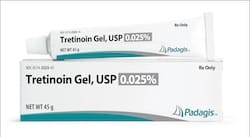
Buy Tretinoin Gel Online at the Best Price
Mastering the Application of Tretinoin Gel
Treat your skin like a delicate garden that needs tending, rather than a battlefield to be conquered. Applying tretinoin is not about scrubbing away imperfections with brute force. It is a slow, rhythmic dance of patience and precision. If you treat it like a heavy-duty cleanser, you might find yourself facing a red, peeling mess that feels like sandpaper.
The golden rule is the “pea-sized” mandate. It sounds almost too small to be effective, but a single, tiny dot holds enough power to transform your complexion. Using more won’t speed up the clock. It will only throw a wrench in your skin’s natural barrier, leaving you feeling raw and irritated by morning.
Timing is everything when you set this nighttime ritual. You want your skin to be bone-dry before the gel touches your face. Applying it to damp skin is like pouring gasoline on a fire. It increases absorption too quickly, leading to unwanted stinging. Wait at least twenty minutes after washing to ensure your canvas is truly ready.
If you are just starting, think of it as a slow burn rather than a sprint. You don’t need to use it every single night right out of the gate. Start with two or three nights a week to let your skin find its footing. It is a marathon, not a 100-meter dash toward perfect skin.
The Evening Ritual Sequence
Building a routine around your gel is like setting the stage for a grand performance. You wouldn’t start a play with the climax, right? Start with a gentle, non-stripping cleanser to remove the day’s grime. Avoid anything with exfoliating acids or harsh scrubs during this step to prevent over-sensitizing your face.
Once your skin is dry, apply a lightweight, soothing moisturizer first if you find the gel too intense. This is often called the “sandwich method.” It acts as a buffer, allowing the active ingredients to work their magic without causing a total meltdown of your moisture barrier.
After the gel has had a few minutes to settle, lock everything in with a thicker cream. This helps prevent trans-epidermal water loss, which is a fancy way of saying it keeps the hydration from evaporating into thin air. It’s the secret sauce to avoiding that dreaded “retinoid peel.”
Keep a mental checklist of your supplies to ensure you aren’t caught off guard. Having the right tools on hand makes the process feel less like a chore and more like a luxurious self-care session. Here is a quick breakdown of the essentials you should have in your cabinet:
- A gentle, pH-balanced cleanser that won’t strip your natural oils.
- A rich, ceramide-heavy moisturizer to rebuild your skin barrier.
- A broad-spectrum SPF 30+ sunscreen for the following morning.
- A small, clean spatula if you prefer not to use your fingers.
For those looking to invest in professional-grade kits, prices can vary wildly depending on the concentration. A standard starter kit might run you around $45, while premium dermatological sets can climb toward $120. Always weigh the cost against the quality of the ingredients you are putting on your skin.
| Product Type | Estimated Cost | Frequency of Use |
| Basic Gel (0.025%) | $30 | 3x per week |
| Intensive Treatment | $85 | Daily (Advanced) |
| Recovery Cream | $25 | Nightly |
Watch for signs of “the purge.” This is a temporary period where your skin might look a bit worse before it looks significantly better. It is essentially your pores clearing out the old to make room for the new. If redness turns into actual pain or blistering, pull back the reins immediately.
Consistency is the name of the game in the world of skincare. You won’t wake up with a Hollywood glow after a single night of application. It takes weeks, sometimes months, to see the real magic happen. Stick to the plan, stay hydrated, and let the science do the heavy lifting.
Optimal Dosage and Frequency Protocols
The Adaptation Phase
Think of your skin like a newborn athlete training for a marathon. If you push too hard on day one, you’ll end up sidelined with an injury. When starting tretinoin, the goal isn’t maximum potency; it is maximum tolerance. You are teaching your cellular turnover to handle a brand new pace without breaking down.
Most dermatologists suggest the “low and slow” approach. Start by applying the gel just twice a week—perhaps Monday and Thursday. This allows your moisture barrier to recover between applications. If your skin feels fine after two weeks, you might bump it up to every other night. Patience is your greatest ally here.
If you notice flaking or a slight sting, don’t panic. It’s often just your skin’s way of saying it needs a breather. When this happens, drop back to your previous frequency. You aren’t losing progress; you are simply recalibrating. It is much better to take two steps back than to cause a massive inflammatory reaction.
Once you have mastered the art of the “every other night” rhythm, you can gradually move toward nightly use. This transition should be seamless, like a slow sunrise rather than a sudden flash of lightning. By the time you reach daily application, your skin should be accustomed to the active ingredient.
Customizing Your Schedule
Every face is a unique landscape, and what works for your best friend might leave you looking like a red blotch. Some people have “tough” skin that handles higher frequencies almost immediately. Others possess a more sensitive constitution that requires a much longer runway to reach a steady, nightly routine.
Listen to your skin’s subtle cues. If you wake up with tightness or a shiny, “plastic” appearance, you are likely overdoing it. This is a sign that your skin barrier is thinning slightly. When this occurs, take a night or two off entirely. Recovery is a vital part of the protocol itself.
It is also wise to adjust your frequency based on the seasons. The air gets much harsher in the winter, often sucking the moisture right out of your pores. Many users find that they need to scale back their usage during colder months to avoid excessive dryness and irritation.
Ultimately, your schedule should be a reflection of your skin’s current health. If you have a big event coming up, such as a wedding or a photoshoot, consider scaling back a few days prior. You want your skin to be calm, hydrated, and glowing, not peeling or inflamed.
When deciding on a purchasing strategy, it helps to compare different levels of investment and usage patterns. Here is a quick comparison to help you budget for your journey:
| Protocol Tier | Monthly Cost Est. | Best For |
|---|---|---|
| Starter Routine | $45 | First-time users |
| Maintenance Plan | $75 | Steady nightly use |
| Premium Protocol | $130 | High-potency sets |
| Recovery Bundle | $55 | Soothing irritation |
Signs of Success and Caution
How do you know if you are doing it right? You won’t see instant results, but you might notice a change in texture within a few weeks. Your skin might start to feel smoother to the touch, or your pores might look less congested. This is the signal that you are on the right track.
However, keep a sharp eye out for the “danger zone.” If you experience weeping sores, intense itching, or swelling, stop use immediately and consult a professional. There is a fine line between “adjusting” and “damaging,” and you want to stay firmly on the side of healthy adaptation.
Remember that the sun is your tretinoin’s greatest enemy. Because the gel makes your skin more sensitive to UV rays, applying sunscreen is non-negotiable. If you skip the SPF, you might actually accelerate the very aging process you are trying to prevent. It is a hard rule, not a suggestion.
In the long run, the most successful users are those who treat the gel as a lifelong companion rather than a temporary fix. It is a slow, steady dance of precision. Stay consistent, stay hydrated, and always respect the power of the dose you have been prescribed.
Market Pricing and Cost Analysis
Navigating the financial landscape of prescription skincare can feel like trying to solve a puzzle in the dark. You might find yourself staring at various price tags, wondering if a higher cost truly translates to better results. It is not always a straight line between the price paid and the glow achieved.
Some users opt for the “budget-friendly” route by seeking out generic formulations through specialty pharmacies. These options can save you a significant amount of money over a year. However, the trade-off often involves a longer wait time for shipping or a slightly different consistency in the gel texture.
On the other hand, brand-name options often come with a premium price tag that might make your wallet wince. These are frequently sought out by those who want a predictable, high-quality experience without any guesswork. It is a classic case of paying for peace of mind and a proven track record.
When you do the math, the true cost of a routine extends far beyond the tube itself. You must account for the essential support products required to keep your skin from becoming a desert. If you ignore these extra costs, your initial savings might evaporate quite quickly.
The Hidden Expenses of a Retinoid Routine
I once knew a woman who spent a fortune on high-end tretinoin but ignored the necessity of a heavy moisturizer. She ended up spending even more on soothing creams and calming serums to fix the irritation she caused. It was like buying a racing car but forgetting to buy fuel for the tank.
To run this protocol successfully, you need a “support crew” of non-negotiable products. A high-quality, non-comedogenic moisturizer is your best friend when the peeling starts to kick in. Without it, you are essentially walking a tightrope without a safety net underneath you.
Sunscreen is another non-negotiable expense that people often try to skimp on. If you are using a potent gel, your skin becomes a magnet for sun damage. Spending an extra $20 a month on a premium SPF is a small price to pay to avoid premature aging.
You might also find yourself needing a gentle, non-stripping cleanser. Harsh soaps can turn a minor redness into a full-blown skin crisis. Think of your budget as a holistic ecosystem rather than just a single line item on a grocery receipt.
- Moisturizers: Budget approximately $25 to $50 for a barrier-repairing cream.
- Sunscreen: Expect to spend $15 to $30 for a broad-spectrum daily SPF.
- Gentle Cleansers: A reliable, soap-free option usually runs $12 to $25.
- Soothing Serums: If irritation occurs, expect an extra $30 for a recovery serum.
Comparing Different Purchasing Methods
The way you acquire your gel can drastically swing your monthly expenditure. Many people choose to go through their primary physician, which is often the most straightforward path. This method ensures the highest level of oversight, though the pharmacy copay can sometimes be a bit steep.
Digital health platforms have changed the game entirely by offering subscription-based models. These services often provide a lower monthly cost by shipping generic versions directly to your door. It is a very convenient way to keep your routine running without constant doctor visits.
However, you must be a vigilant consumer when dealing with third-party vendors. While the low prices are tempting, always ensure the source is reputable and legitimate. A “too good to be true” price can sometimes lead to a product that is expired or improperly stored.
Ultimately, the best way to manage costs is to plan your replenishment carefully. Buying in larger quantities can often drive the per-ounce price down significantly. Just ensure you are using the product within its effective window to avoid wasting your hard-earned cash.
| Method | Average Monthly Cost | Pros/Cons |
| Prescription Pharmacy | $40 – $90 | High reliability / Higher cost |
| Telehealth Subscription | $30 – $60 | Convenient / Variable quality |
| Generic Mail-Order | $20 – $45 | Most affordable / Slower shipping |
Sourcing and Reliable Procurement Methods
Navigating the Prescription Landscape
Securing a legitimate prescription is the golden ticket to using tretinoin gel effectively. Most people start by booking an appointment with a dermatologist to ensure the concentration matches their skin’s needs. While this route feels a bit like taking the scenic road, it offers the highest level of safety and professional guidance.
If your insurance is on your side, the process can be relatively smooth and predictable. However, many patients find that tretinoin is often excluded from standard coverage plans. This leaves you facing the full retail price at the pharmacy counter, which can feel like a bit of a gut punch to your budget.
I remember a friend who tried to bypass the doctor by looking for “miracle” creams online. She ended up with a bottle that looked right but did absolutely nothing for her acne. It was a classic case of “penny wise, pound foolish,” where the initial savings cost her months of wasted time.
Always demand a valid prescription from a licensed medical professional before you hand over your credit card. A legitimate doctor’s note acts as a shield, protecting you from the murky waters of unregulated skincare. It is much better to pay a little more upfront than to deal with a skin reaction later.
The Rise of Digital Dermatologists
In recent years, the landscape has shifted toward telehealth, which has been a total lifesaver for busy professionals. You can often complete a consultation from your couch via a smartphone app. These platforms bridge the gap between the traditional clinic and the convenience of modern technology.
These digital services usually operate on a subscription model, which can be quite refreshing for your monthly planning. Instead of dealing with varying copays, you pay a set fee that often includes the consultation and the medication. It’s a streamlined way to keep your skincare routine on autopilot.
However, don’t let the convenience lull you into a false sense of security. While these platforms are generally reliable, you should still verify that the pharmacy they use is accredited. You want a service that is as steady as a heartbeat, not one that disappears when you need a refill.
Some users find that the consistency of the gel might vary slightly between different telehealth providers. One month it might be a thick cream, and the next, a lighter gel. As long as the active ingredient is verified, this is usually just a minor quirk of the manufacturing process.
Evaluating Third-Party Retailers
Online marketplaces have become the Wild West of the skincare industry, offering prices that seem almost too good to be true. It is incredibly tempting to click “buy now” on a $10 tube of tretinoin from an unverified vendor. Yet, this is where the real risks tend to hide.
When you buy from an unknown source, you are essentially gambling with your skin’s health. These products may have been stored in a hot warehouse, which can degrade the active ingredients. A ruined batch of tretinoin is not just a waste of $25; it is a wasted opportunity for progress.
If you decide to explore non-traditional retailers, look for specific red flags in their business model. Do they provide clear expiration dates and batch numbers? If their website looks like it was built in ten minutes and they don’t list a physical address, run the other way. It is better to be safe than sorry.
A good rule of thumb is to stick to well-known, reputable online pharmacies that require a prescription upload. This adds a layer of accountability that “no-prescription” sites simply cannot match. Think of it as paying a small premium for the certainty that the product actually works as promised.
| Vendor Type | Reliability Score | Typical Price Range |
| Board-Certified Dermatologist | Extremely High | $60 – $120 |
| Accredited Telehealth App | High | $35 – $75 |
| Local Retail Pharmacy | High | $45 – $95 |
| Unverified Online Seller | Low/Unpredictable | $10 – $25 |
Tretinoin Gel vs. Retinol vs. Adapalene
Navigating the skincare aisle can feel like trying to solve a Rubik’s Cube in the dark. You see a dozen different bottles, all promising to turn back the clock, but the science underneath is vastly different. It is easy to get lost in the marketing noise and end up with a shelf full of useless goo.
Think of these ingredients as different levels of a ladder. You wouldn’t jump straight to the top rung without checking if your legs can handle the height. Similarly, jumping straight into high-strength tretinoin without understanding its potency can leave your face feeling like a desert. It is all about the right tool for the right job.
Retinol is often the “training wheels” of the vitamin A world. It is widely available over the counter and is generally gentle on the skin. If you are a skincare novice, starting here is like testing the waters in a swimming pool before diving into the deep end of the ocean.
Adapalene, on the other hand, sits in a peculiar middle ground. It was once prescription-only but is now available without a doctor’s note in many places. It is specifically engineered to target acne by regulating cell turnover, making it a powerhouse for those battling stubborn breakouts rather than just fine lines.
Then there is tretinoin gel, the heavyweight champion of the group. This is a direct, potent form of retinoic acid that your skin recognizes immediately. It doesn’t need to convert itself like retinol does, meaning it works much faster and much harder, but it also carries a much higher risk of irritation.
Comparing Potency and Purpose
If you are chasing the fountain of youth, you might lean toward retinol. It works slowly, often taking months to show real results in smoothing out those tiny lines. It is the “slow and steady wins the race” approach to skincare. It is perfect for those with sensitive skin who cannot tolerate harsh actives.
Adapalene is the specialist that comes to the rescue when acne is the primary concern. It is a bit of a workhorse for clogged pores and blackheads. Many people find it to be a much more effective route for clearing up congestion without the extreme redness often associated with stronger prescriptions.
Tretinoin gel is the “nuclear option” for many dermatologists. It is the gold standard for both acne and photoaging. However, it is not a walk in the park. You must approach it with reverence, as the initial “purging” phase can be quite a bumpy ride for your complexion.
To make things easier, I have put together a quick breakdown of how these three heavy hitters stack up against one another. This should help you decide where to start your journey without feeling completely overwhelmed by the options available on the market today.
| Ingredient | Strength | Primary Use | Availability |
| Retinol | Low | Anti-aging/Fine lines | Over-the-Counter |
| Adapalene | Moderate | Acne/Congestion | Over-the-Counter |
| Tretinoin | High | Acne & Aging | Prescription Only |
Choosing Your Skin Strategy
Deciding which one to use is not a one-size-fits-all situation. It is a deeply personal decision based on your skin’s unique tolerance and your specific goals. If your main goal is to zap a sudden breakout, a targeted dose of adapalene might be your best bet for a quick fix.
However, if you are looking at the long game—thinking about the wrinkles that might appear in five years—tretinoin is the heavy hitter you want in your arsenal. It is a commitment, much like a gym membership, requiring consistency and patience to see the true, glowing results you desire.
Don’t be discouraged if your skin reacts poorly at first. Many people find that a “sandwich technique”—applying moisturizer, then the active, then more moisturizer—is the secret to surviving the initial dryness. It is all about building a bridge between your current skin and your goal skin.
Ultimately, your skin is a living organ, not a piece of plastic. Treat it with respect. Whether you spend $20 on a basic retinol or $80 on a prescription tretinoin gel, the most important factor is how your skin responds to the treatment over time.
Managing Side Effects and Skin Recovery
Navigating the Purge and Irritation
Using tretinoin gel can feel like a double-edged sword. One night you feel like a skincare goddess, and the next, you wake up looking like you’ve survived a desert storm. This “retinoid uglies” phase is a rite of passage that many users dread, but it is often just your skin recalibrating itself.
Redness, peeling, and dryness are the usual suspects when things go sideways. It is not uncommon to see flakes dancing on your chin or a stinging sensation when you apply a simple cleanser. Think of it as your skin’s way of saying, “Hold on, I’m busy working overtime here!”
If you find yourself looking more like a sunburned toddler than a glowing icon, it is time to step back. Do not try to power through extreme pain. Sometimes, the bravest thing you can do is put the gel away for a few nights to let your moisture barrier rebuild itself.
I once knew a client who insisted on applying it every single night from day one. She ended up with skin so sensitive she couldn’t even use water without stinging. The lesson? Start slow. A little bit of patience will save you a lot of heartbreak and expensive soothing creams.
The Art of the Buffer Technique
If you are terrified of the dreaded peel, the “sandwich method” is your best friend. It acts as a protective buffer between the potent acid and your delicate epidermis. You apply a layer of gentle moisturizer, let it dry, apply a pea-sized amount of tretinoin, and then seal it all in.
This technique is a game-changer for those with sensitive skin profiles. It doesn’t stop the medicine from working, but it softens the blow significantly. It is like wearing a light padded jacket instead of walking into a blizzard in nothing but a silk shirt.
You might also consider the “short contact” approach. This involves applying the gel, letting it sit for a short period, and then washing it off. It is a way to trick your skin into getting used to the ingredient without the prolonged exposure that causes massive irritation.
When shopping for your recovery kit, keep an eye out for ingredients like ceramides, hyaluronic acid, and panthenol. A high-quality, fragrance-free moisturizer might cost you $30 to $50, but it is a small price to pay for a healthy, resilient skin barrier.
Building a Recovery Toolkit
When the redness sets in, you need a reliable lineup of products to calm the storm. You shouldn’t be using anything with harsh exfoliants or high-strength acids during this time. Your goal is to soothe, hydrate, and protect—nothing more, nothing less.
The following table outlines the essentials you should keep in your bathroom cabinet to combat the inevitable dryness and irritation that can come with tretinoin gel use:
| Product Category | Key Ingredient | Purpose |
| Gentle Cleanser | Glycerin / Ceramides | Cleaning without stripping oils |
| Soothing Serum | Hyaluronic Acid | Deep hydration and plumpness |
| Barrier Cream | Squalane / Panthenol | Repairing the skin surface |
| Sunscreen | Mineral/SPF 30+ | Protecting new, sensitive cells |
Sun protection is non-negotiable. Tretinoin makes your skin incredibly sensitive to UV rays. If you are using this gel at night but skipping sunscreen during the day, you are essentially throwing money down the drain. You might spend $25 on a great SPF, but without it, the sun will undo all your hard work.
Consistency is the name of the game, but so is intuition. Listen to your face. If it feels tight, itchy, or looks angry, take a break. Healing is part of the process, and a few days of rest won’t ruin your progress; in fact, it might actually accelerate it.
