
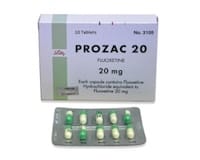
Buy Prozac Online: Compare Prices and Order Pharmacy Prescriptions
Navigating Your Prescription Options and Dosage
Walking into a pharmacy for the first time can feel like stepping into a foreign country without a map. You might see various pill sizes and numbers on the bottles, which can feel overwhelming. Most doctors start with a conservative approach to see how your body reacts to the chemistry.
For those battling depression, the standard starting point is often 20mg once a day. However, this isn’t a one-size-fits-all scenario. Some patients find relief with 10mg, while others may eventually require 40mg or 60mg to find their emotional equilibrium. It is a delicate dance between finding stability and avoiding side effects.
Anxiety treatment follows a similar rhythm, though the goal is often to keep the nervous system calm rather than just lifting a mood. Your physician will tailor the milligram strength to your specific needs. It is vital to remember that what works for a friend might not be the magic key for you.
When it comes to the actual milligram strengths, you will typically encounter these common options:
- 10mg tablets for sensitive starts
- 20mg tablets, the standard baseline
- 40mg tablets for more robust support
- 60mg tablets for advanced therapeutic needs
Timing is the silent partner in your treatment journey. Taking your medication at the same time each day is like setting a metronome for your brain chemistry. Consistency ensures that your internal clock remains steady, preventing the “rollercoaster” feeling that often accompanies irregular dosing schedules.
Most people prefer taking it in the morning because it can be slightly stimulating. If you find yourself feeling jittery or having trouble nodding off at night, talk to your doctor. They might suggest shifting your dose to the evening to help you sleep through the night peacefully.
Think of your medication as a slow-moving tide. It doesn’t work like an aspirin that hits your system in twenty minutes. Instead, it builds a steady foundation over several weeks. This gradual accumulation is why patience is your greatest ally during the first month of treatment.
Maintaining consistent blood serum levels is the bedrock of effective treatment. If your levels drop too low, you might feel the shadows of depression creeping back in. Conversely, staying too high can lead to unnecessary discomfort. You want to stay in that “sweet spot” of therapeutic stability.
To keep those levels steady, try to avoid significant gaps between doses. Some people find success by tying their pill to a daily habit, like brushing their teeth or eating breakfast. This creates a mental anchor, making it much harder to simply forget your morning ritual.
If life gets in the way and you miss a dose, don’t panic or double up. Taking a double dose to catch up is like trying to make up for lost sleep by sleeping twenty hours; it simply throws everything out of balance. Just take the next one when you remember.
If it is almost time for your next dose, just skip the missed one entirely. The goal is to keep the momentum going without causing a sudden spike in your system. If you miss a day, don’t beat yourself up; just get back on the wagon immediately.
Eventually, the day will come when you and your doctor decide it is time to move on. Tapering off is not something you can do on a whim or by simply stopping one morning. It requires a slow, careful descent to let your brain adjust to the change.
Stopping “cold turkey” can feel like jumping off a moving train. You might experience “brain zaps” or irritability if you rush the process. A medical professional will create a tapering schedule, gradually reducing the dosage over weeks or even months to ensure a smooth transition.
Always treat this process as a collaborative effort with your healthcare provider. They will watch for any returning symptoms and adjust the descent accordingly. It is a marathon, not a sprint, and your safety remains the top priority throughout the entire process of winding down.
Market Costs and Price Breakdowns in USD
Navigating the financial side of mental health care can feel like walking through a maze without a map. One moment you are calculating your monthly budget, and the next, you are staring at a pharmacy receipt that looks like a phone number. It is a stressful dance that many patients must perform.
Understanding the price of your medication is vital for long-term stability. If the cost of your daily ritual becomes a source of anxiety itself, the treatment might feel like it is doing more harm than good. Breaking down these costs helps you plan for the long haul.
Whether you are dealing with a high-deductible plan or paying out of pocket, knowing the landscape is key. From the generic “fluoxetine” to the brand-name “Prozac,” the price gap can be wide enough to drive a truck through. Let’s look at how these numbers actually play out in the real world.
Generic fluoxetine is often the hero of the story for those watching their wallets. Because it is no longer under patent protection, manufacturers can produce it at a fraction of the original cost. You might find individual generic pills priced as low as $0.10 to $0.50 each depending on your local pharmacy.
In contrast, the brand-name Prozac carries a significant premium. You are essentially paying for the name and the original research that brought the drug to life. For many, the difference in price is the deciding factor that determines whether they stick to the brand or switch to the generic alternative.
Insurance plays a massive role in what you ultimately pay at the counter. If you have a good plan, your copay might keep your monthly bill quite low. However, if you haven’t met your deductible, you might be stuck footing the entire bill yourself, which can be a bitter pill to swallow.
The following table provides a rough estimate of what you might encounter when comparing different options and quantities.
| Option / Quantity | Estimated Cost | Typical Terms |
|---|---|---|
| Brand-name Prozac (30-day) | $150.00 – $250.00 | Full retail price |
| Generic Fluoxetine (30-day) | $15.00 – $45.00 | Common pharmacy pricing |
| Generic 90-day Bulk Supply | $35.00 – $90.00 | Significant per-pill savings |
| Insurance Copay (Generic) | $5.00 – $20.00 | Varies by plan/tier |
Optimizing Your Monthly Spending
If you find yourself on a steady, long-term regimen, the 90-day bulk supply is a lifesaver. Buying three months’ worth at once often triggers a lower price tier at most major pharmacies. It is like buying in bulk at a grocery store; the unit price drops significantly when you commit to more.
This approach also offers a layer of convenience that is hard to beat. You won’t have to make a frantic trip to the pharmacy every thirty days. Instead, you can set it and forget it, ensuring you have a steady supply tucked away in your medicine cabinet at all times.
Pharmacy location can also cause your total to swing wildly. A small, independent pharmacy in a high-rent district might charge more than a large chain or an online mail-order service. It is worth a quick phone call to compare prices before you commit to a specific provider.
Sometimes, online pharmacies can offer even deeper discounts, especially for generics. However, always ensure you are using a reputable, verified service. Cutting corners on where you buy your medicine is a gamble you simply shouldn’t take with your health and well-being.
Sourcing Your Medication Safely and Legally
Walking into a pharmacy is one thing, but navigating the vast digital ocean of online medicine is a different beast entirely. You might be tempted by a glossy website promising lightning-fast shipping and prices that seem too good to be true. However, when it comes to psychiatric medication, “too good to be true” is a massive warning sign.
The most critical rule of thumb is simple: you must have a valid prescription from a licensed healthcare professional. A piece of paper or a digital authorization isn’t just a formality; it is your safety net. It ensures that a real person with medical training has evaluated your history and confirmed that this specific treatment is appropriate for you.
Attempting to bypass this step by buying medication without a script is like driving a car without brakes. You might get where you’re going eventually, but the risk of a catastrophic crash is incredibly high. Legitimate pharmacies will never, ever ask you to skip the doctor’s visit just to make a sale.
If a website offers to sell you Prozac without asking for a prescription, run the other way. These sites are often operating outside the law and are essentially digital trapdoors. They might take your money, but what arrives in your mailbox could be nothing more than chalk or something far more dangerous.
Identifying Online Pharmacy Red Flags
The internet is a goldmine for convenience, but it is also a playground for scammers. One of the biggest red flags is a website that lacks a physical address or a verifiable phone number in the United States. If they only communicate through an anonymous contact form, keep your credit card in your pocket.
Watch out for websites that claim to be “no prescription needed” or those that use aggressive, high-pressure sales tactics. They might use countdown timers or flashing banners to make you feel like you must buy right now. Legitimate medical providers aren’t interested in high-pressure sleight of hand; they care about your health.
Another subtle sign is the lack of proper certification logos. Look for the “.pharmacy” domain or the VIPPS (Verified Internet Pharmacy Practice Sites) seal. If a site looks like it was designed in 1998 and lacks these modern security credentials, it is likely a counterfeit operation looking to fleece you.
- Websites offering “miracle” cures or impossible discounts.
- Pharmacies that only accept payment via wire transfer or gift cards.
- Sites that lack a clear, professional privacy policy.
- Any vendor that refuses to provide a pharmacist’s contact information.
Verifying Vendor Credentials
Not all online pharmacies are created equal. There is a massive legal and safety chasm between a US-based pharmacy and an international vendor. A US-based pharmacy must adhere to strict FDA regulations and state laws, ensuring that the medicine you receive matches the label on the bottle exactly.
When you deal with international vendors, you are stepping into a legal gray area. While some are legitimate, many are operating in jurisdictions where oversight is practically non-existent. You have no way of knowing if the facility is clean or if the staff is even qualified to handle controlled substances.
It is a gamble that is rarely worth the potential savings. A US-based vendor offers a paper trail and legal recourse if something goes wrong. If an international site sends you a box of pills that cause a severe reaction, your chances of seeking legal help are slim to none.
Always do your homework before clicking “checkout.” You can check a pharmacy’s legitimacy through the National Association of Boards of Pharmacy. A little bit of digging now can save you from a massive headache—and a medical emergency—later on.
The Peril of Counterfeit Pills
The danger of purchasing unverified medication isn’t just about being scammed out of your money. It is about the physical contents of the pill itself. Counterfeit medications are a shadow industry that produces pills that look, smell, and even taste exactly like the real thing, but they are often laced with dangerous fillers.
Some counterfeit pills contain nothing but inert starch, meaning you aren’t getting the treatment you need to manage your mental health. Others are much more sinister, containing incorrect dosages or even toxic substances like fentanyl or heavy metals. You are essentially playing Russian roulette with your brain chemistry.
Imagine taking a pill thinking it will stabilize your mood, but instead, it sends your system into a tailspin because the dosage is ten times higher than it should be. The unpredictability of unverified pills makes them a direct threat to your stability and your life.
Never let the desire for a “deal” override your common sense. A $20 saving is not worth the risk of accidental poisoning or a failed treatment cycle. If the price seems too low to be real, it’s because the product likely isn’t real either.
Using Legitimate Telehealth Services
If the traditional route of driving to a doctor’s office feels overwhelming, telehealth might be your best friend. Many legitimate healthcare platforms now allow you to consult with licensed psychiatrists or primary care physicians via video call. This is a wonderful, modern way to manage your refills without the hassle.
These services are highly regulated and follow the same strict protocols as a physical clinic. During your video appointment, the provider will review your symptoms and, if appropriate, send a prescription directly to your local pharmacy or a verified mail-order service. It is seamless, legal, and incredibly efficient.
Using telehealth for refills is a game-changer for people with busy schedules or limited mobility. It removes the “friction” of seeking care, making it much easier to stay consistent with your medication. Consistency is the bedrock of successful psychiatric treatment, so anything that supports it is a win.
Just ensure you are using a reputable, well-reviewed platform. Avoid “quick-fix” apps that promise a prescription in five minutes without a real conversation. Real healthcare requires a real conversation, even if that conversation is happening through a computer screen.
Shipping Logistics and Delivery Expectations
Transit Times and Delivery Windows
Once you hit that checkout button, the clock starts ticking. For most domestic orders, you can expect your package to arrive within three to seven business days. This timeframe depends heavily on whether you opted for standard ground shipping or if you decided to pay an extra $15 to $25 for expedited overnight delivery.
Think of shipping like a game of catch; sometimes the ball lands right in your hands, and sometimes it takes a few extra bounces. Weather patterns, seasonal holidays, or even a sudden surge in carrier volume can cause minor delays. It is always wise to add a two-day “buffer” to your mental calendar to avoid unnecessary stress.
If you are running low on your prescription, do not wait until the bottle is bone-dry to reorder. The “oops” moment usually happens when a package is stuck in a sorting facility somewhere in the Midwest. Ordering a week before your current supply vanishes ensures you won’t miss a single dose of your medication.
Some specialized pharmacies offer even faster turnaround times, sometimes shipping within twenty-four hours of prescription verification. However, always check the specific carrier’s schedule. A “fast” pharmacy can only do so much if the postal service is facing a massive backlog during the winter months.
Privacy and Discreet Packaging
Mental health is a deeply personal matter, and many people prefer to keep their medical history behind closed doors. You shouldn’t have to explain your prescription to a nosy neighbor or a delivery driver. This is why legitimate pharmacies prioritize discreet shipping protocols for every single order they process.
When your medication arrives, the outer box should look like any other mundane parcel. You won’t see “Prozac” or “Antidepressant” plastered across the side in bold letters. Most vendors use plain, unbranded cardboard or padded envelopes to ensure that your business stays strictly between you and your doctor.
The return address is another crucial detail. Instead of using the name of a specialized mental health clinic, many pharmacies use a generic corporate name or a logistics center address. This layer of anonymity provides a sense of security, allowing you to manage your wellness without feeling like you are under a microscope.
If you see a package that looks suspicious or mentions specific medication names on the label, consider it a red flag. True professionals understand that discretion is just as important as the medicine inside. They treat your privacy with the same level of care they apply to the pills themselves.
Tracking and Monitoring Your Order
Gone are the days of sitting by the window and staring at the driveway for hours. Modern shipping relies on digital breadcrumbs that allow you to follow your package’s journey in real-time. Most reputable services will send a confirmation email containing a unique tracking number as soon as the label is printed.
You can simply click that link to see if your package is currently in transit, out for delivery, or sitting in a local hub. This visibility turns a waiting game into a controlled process. It removes the anxiety of wondering if your shipment has gone missing in the vast void of the logistics network.
Keep a close eye on those status updates, especially if the tracking hasn’t moved for more than forty-eight hours. Sometimes a package gets stuck in a “carrier delay” loop. If you notice a significant pause, a quick call to the pharmacy can often clear up any confusion regarding your delivery status.
Remember that “out for delivery” means the driver has it on their truck and it should arrive by the end of the day. It is the final stretch of the marathon. Having this information at your fingertips provides peace of mind that your health needs are being actively managed and monitored.
Handling Lost or Damaged Shipments
Even with the best intentions, things occasionally go sideways. A package might get lost in transit, or a delivery driver might accidentally drop a box, causing the contents to break. If your medication container arrives cracked or the seal is broken, do not attempt to use the pills.
Your safety is the absolute priority here. Damaged packaging can compromise the integrity of the medication, potentially exposing it to air or moisture. If the container looks compromised, take a quick photo for your records and contact the pharmacy’s customer service department immediately to request a replacement.
In the unfortunate event that a package is marked as delivered but you cannot find it, check with neighbors or around your porch first. If it remains a mystery, file a claim with the pharmacy. Most legitimate vendors have policies in place to resolve these issues, often shipping a replacement at no extra cost.
| Issue Type | Immediate Action | Expected Outcome |
| Damaged Container | Take Photo & Notify Pharmacy | Free Replacement |
| Lost Package | Check Neighbors & File Claim | Reshipment or Refund |
| Incorrect Item | Contact Support Immediately | Correct Item Sent |
Temperature Control and Storage Requirements
Medications are somewhat like fine wine; they are sensitive to their environment. While Prozac is generally stable, extreme heat or freezing temperatures can alter its chemical composition. You want your pills to arrive in the same condition they left the controlled environment of the pharmacy warehouse.
During the summer, a package sitting in a hot delivery truck can reach temperatures that are not ideal. Most standard shipments are designed to handle typical ambient temperatures, but if you live in an extremely hot climate, you might want to consider specialized shipping options. Some pharmacies offer insulated packaging for an extra fee.
Once the package arrives, get your medication out of the shipping box and into its permanent storage spot. A cool, dry place like a kitchen cabinet (away from the stove) or a bedroom drawer is usually best. Avoid the bathroom if it is particularly humid, as moisture is the enemy of many tablets.
If you notice any unusual discoloration or a strange smell in your pills, stop taking them and call your pharmacist. It is better to be overly cautious than to risk your health on a degraded product. Proper storage is the final, vital step in ensuring your treatment remains effective and safe.
Comparing Prozac to Other SSRI Alternatives
Choosing a medication can feel like picking a winner in a marathon where you don’t know the track. While all Selective Serotonin Reuptake Inhibitors (SSRIs) aim to boost mood, they don’t all run at the same pace. Each drug leaves a different biological footprint, influencing how your body processes the chemicals over time.
The most striking difference often lies in the “half-life,” which is essentially how long a drug lingers in your bloodstream. Prozac is the marathon runner of the group. Because it stays in your system for a long time, missing a single dose is less likely to cause a sudden “crash” or withdrawal symptoms.
In contrast, medications like Zoloft tend to have a much shorter half-life. This means the drug exits your system more quickly. While this can be beneficial for some, it requires strict adherence to a daily schedule. If you are someone who frequently forgets your morning pill, the long-lasting nature of fluoxetine might feel like a safety net.
Patients often describe the sensation of “steady” versus “fluctuating” levels. With a short-acting medication, you might feel the dip if a dose is late. With Prozac, the levels remain relatively stable, providing a smoother emotional landscape that many find much more tolerable during the initial weeks of treatment.
Navigating Side Effect Profiles
Not every brain reacts to serotonin adjustments in the same way. It is a bit like trying on shoes; one pair might feel perfect, while another gives you blisters. Some people find that Zoloft causes more gastrointestinal upset, often referred to as “the butterflies” or general nausea, during the first week of use.
Other medications might lean toward different side effects. You might encounter issues like drowsiness or weight changes depending on the specific chemical structure of the SSRI. For instance, while some find certain options energizing, others might feel like they are wading through molasses throughout their entire workday.
It is important to remember that these side effects often ebb and flow. Many patients find that the “jitters” or mild nausea subside once the body adjusts to the new chemical baseline. However, everyone’s biochemistry is a unique puzzle, making personal experience the ultimate deciding factor in finding a perfect fit.
- Prozac: Often associated with more “activating” or energizing effects.
- Zoloft: Frequently noted for potential stomach-related side effects initially.
- Lexapro: Often cited for being more “selective” with fewer interactions.
- Paxil: Known for being more sedating for certain individuals.
The Timeline of Therapeutic Effects
Patience is a virtue when starting psychiatric medication. You won’t wake up tomorrow feeling like a brand-new person. The onset of therapeutic effects is a slow climb rather than a sudden leap. Most people begin to notice subtle shifts in mood or sleep patterns after two to four weeks of consistent use.
Interestingly, the “speed” of onset can vary slightly between different brands and specific molecules. While the core mechanism is similar, some people report feeling a lift in anxiety much faster with one medication than another. This is often due to how quickly the drug reaches steady-state concentrations in the brain tissue.
It is a common trap to think the medicine isn’t working because you don’t feel a “high” immediately. In reality, the brain is undergoing a complex remodeling process. It is more like tending a garden; you won’t see the flowers blooming the second you plant the seeds, but the growth is happening beneath the surface.
If you feel no change after six weeks, it is time to have a heart-to-heart with your doctor. They might adjust the dosage or decide that a different SSRI profile would be more effective for your specific symptoms. Sometimes, a slight tweak is all it takes to find the sweet spot.
Cost Versus Symptom Management
When you look at the bottom line, the financial aspect of mental health care is impossible to ignore. Generic versions of many SSRIs are incredibly affordable, often costing less than $20 for a monthly supply. This makes them highly accessible for those on a tight budget or managing multiple health needs.
However, the real “cost” isn’t just the price of the pill; it is the cost of the side effects. If a cheaper medication causes significant weight gain or extreme fatigue, the long-term impact on your quality of life might outweigh the initial savings. Sometimes, paying a little more for a specific brand can be a wise investment.
The trade-off is a delicate balancing act. You want to manage your symptoms—whether that is panic, intrusive thoughts, or low mood—without introducing new problems that complicate your daily existence. It is a personal calculation that involves both your wallet and your well-being.
| Consideration | Generic SSRI | Brand Name/Specific Fit |
| Monthly Cost | Low (approx. $10-$30) | Higher (can vary widely) |
| Symptom Precision | Standard relief | May target specific side effects |
| Accessibility | Very high | May require more insurance navigation |
Managing Side Effects and Daily Usage Scenarios
Navigating the Initial Adjustment Period
Starting a new medication can feel like stepping into a moving elevator; there is a momentary sense of vertigo as your system recalibrates. Many users report experiencing mild nausea or a strange, restless feeling in their limbs during the first week. Think of this as your brain’s way of learning a new rhythm in a complex, internal dance.
These “jitters” are often just your nervous system reacting to the sudden shift in serotonin levels. It is not uncommon to feel a bit on edge, almost like you have had one too many cups of coffee on an empty stomach. Most people find that these sensations settle down once the body finds its new equilibrium.
If the nausea feels like a heavy weight in your gut, try taking your dose with a small snack. A piece of toast or a bit of yogurt can act as a buffer, preventing that unsettled feeling from ruining your breakfast. Small, tactical changes like this can make a massive difference in your daily comfort.
It is vital to keep a simple log of these sensations. Note down when they occur and how long they last. This data is gold when you sit down with your healthcare provider, as it helps them distinguish between temporary adjustment symptoms and something that might require a dosage tweak or a change in timing.
Optimizing Sleep and Daily Rhythms
Sleep is often the first casualty when adjusting to Prozac. Because the medication can be somewhat “activating,” you might find yourself staring at the ceiling at 2:00 AM, wide awake and wired. This insomnia can feel like a frustrating barrier to the very mental peace you are seeking to achieve.
To combat this, many people find success by moving their dose to the morning. Taking it early allows the peak levels to pass by the time you hit the pillow. It is about timing the wave so it doesn’t crash against your ability to drift off into a restful, restorative slumber.
Creating a “sleep sanctuary” can also help mitigate these disturbances. Dim the lights an hour before bed, swap the smartphone for a physical book, and keep the bedroom cool. These lifestyle tweaks work in tandem with your medication to signal to your brain that it is finally time to power down.
If sleep remains a battlefield despite these efforts, do not suffer in silence. Your doctor might suggest a different time of day for your dose or a temporary supplement to help bridge the gap. Managing sleep is not just about rest; it is about ensuring you have the energy to actually live your life.
Monitoring Mood and Supplement Safety
While the goal is stability, sometimes the pendulum swings too far in the opposite direction. If you notice a sudden, sharp increase in agitation, racing thoughts, or a sense of “mania” that feels out of character, call your doctor immediately. These unexpected mood shifts are rare but require professional attention.
It is important to distinguish between “feeling better” and feeling “unusually high.” If you feel like you are flying too close to the sun—experiencing impulsive behavior or a sudden burst of energy that feels unmanageable—it is time for a medical check-in. Your safety is always the top priority.
Be wary of the “natural” aisle in your local pharmacy. Many over-the-counter supplements can play havoc with your medication. For instance, St. John’s Wort is a notorious troublemaker that can lead to dangerous levels of serotonin if taken alongside an SSRI. Always treat supplements with the same caution as prescription drugs.
Other common interactions include certain herbal teas or even high doses of certain vitamins. It might seem like a small thing, but these can interfere with how your liver processes the medication. When in doubt, run your full list of supplements by your pharmacist to ensure everything is playing nice together.
Lifestyle Synergies and Holistic Health
Medication is a powerful tool, but it works best when it is part of a broader, supportive ecosystem. Think of it as the foundation of a house; it provides the structure, but you still need the walls and the roof to make it a home. Movement, nutrition, and routine are your secondary layers.
Regular, moderate exercise has been shown to act as a natural booster for the benefits of SSRIs. You don’t need to run marathons; even a brisk twenty-minute walk in the sunlight can help regulate your circadian rhythm and boost your mood. It is about consistent, gentle momentum rather than intense bursts of exertion.
What you put in your body also matters immensely. Reducing excessive caffeine and alcohol can prevent the “up and down” spikes that complicate emotional regulation. Alcohol, in particular, can act as a depressant that works directly against your medication, essentially trying to pull the plug on the progress you are making.
Ultimately, the goal is to build a lifestyle that supports mental clarity and emotional resilience. When you combine consistent medication with healthy habits, you are not just treating symptoms; you are actively cultivating a more stable and vibrant way of being in the world.
